
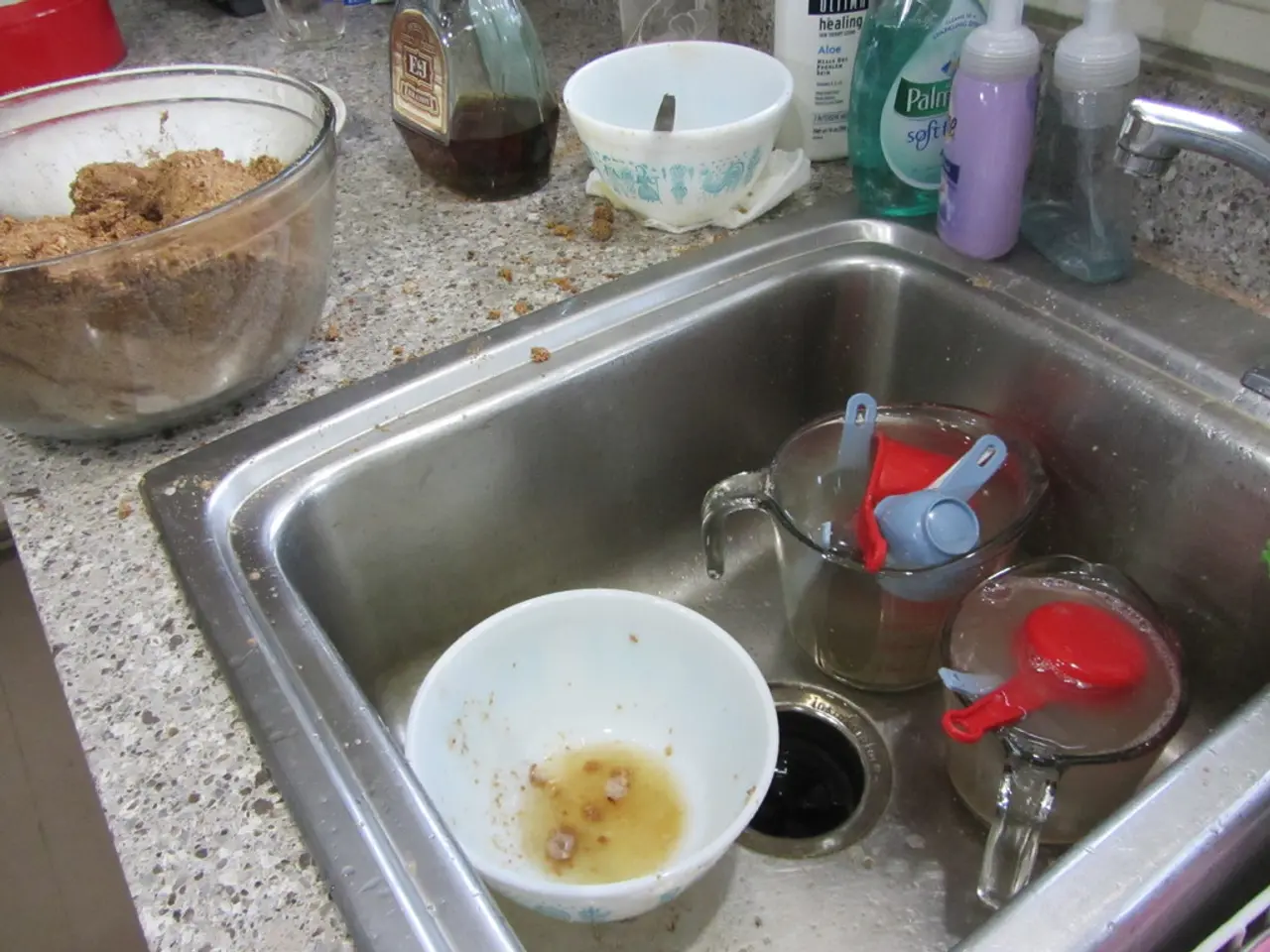
Potential Health Risks from Using an Unclean Dog Bowl - A look at how Canine Paws Might Impact Your Health
In a world where the health and safety of our pets and families are paramount, maintaining cleanliness in our pet food bowls has become more important than ever. Several disease outbreaks caused by pathogens in pet food have been reported, with people with weakened immune systems and children being at higher risk.
Recent research published in "PLOS ONE" has shed light on habits of dog owners that promote cross-contamination in food bowls. The study highlights the need for regular and thorough cleaning of pet food bowls to reduce bacterial contamination, including pathogens like Salmonella, E. coli, and Listeria.
Daily cleaning with hot water and mild detergent is essential. Simple rinsing or topping up water is insufficient. Daily washing removes residues that harbor bacteria, which can cause infections. Additionally, a weekly sanitizing soak, such as in white vinegar, enhances bacterial control, reducing biofilm formation and potential disease transmission.
Avoiding plastic bowls is also recommended. Plastic can develop scratches and cracks that harbor bacteria and are harder to fully clean. Stainless steel or sturdy ceramic bowls are preferred for their durability and resistance to bacterial buildup.
If irregular cleaning causes a slimy biofilm difficult to remove, replacing the bowl is best to prevent ongoing bacterial contamination. Elevated bowls can aid hygiene by keeping food off the floor, reducing contamination risks and making spills easier to manage. Keeping bowls away from main eating areas also reduces cross-contamination between pet and human foods.
A recent investigation by the Lower Saxony State Office for Consumer Protection and Food Safety found that Listeria was detected in 20 samples of raw dog food, and gastrointestinal diseases can be caused by the enterobacteria found in raw dog food. Only 8 out of 65 samples had no enterobacteria, with raw dog food being prone to contamination and containing enterobacteria in 92% of samples.
Both humans and dogs can face health implications if a food bowl is microbiologically contaminated. Almost 95% of the surveyed dog owners had no idea about the hygiene recommendations of the US FDA, including covering leftover food and cleaning the bowls after each meal.
By following these simple yet effective hygiene guidelines, we can reduce the risk of bacterial contamination, protecting our pets’ health and potentially our own. A clean pet food bowl is a small step towards a healthier home for both our furry friends and our families.
- The use of the product (stainless steel or sturdy ceramic bowls) in the production of foodstuffs for pets is beneficial, as it reduces bacterial contamination, including pathogens like Salmonella, E. coli, and Listeria.
- Incorporating science into our lifestyle (following hygiene guidelines for pet food bowls) can have positive impacts on health-and-wellness, particularly for those with medical-conditions such as weakened immune systems and children.
- Nutrition and fitness-and-exercise are aspects of a healthy lifestyle, but ensuring the cleanliness of our pet's food bowls can also contribute to our overall health, as bacteria from these bowls can potentially pose a risk to both pets and humans.
- Adopting a clean-and-tidy lifestyle (regularly cleaning pet food bowls) is important not only for our pets but also for maintaining a harmonious coexistence with them, minimizing the risk of disease transmission through cross-contamination between pet and human foods.




