
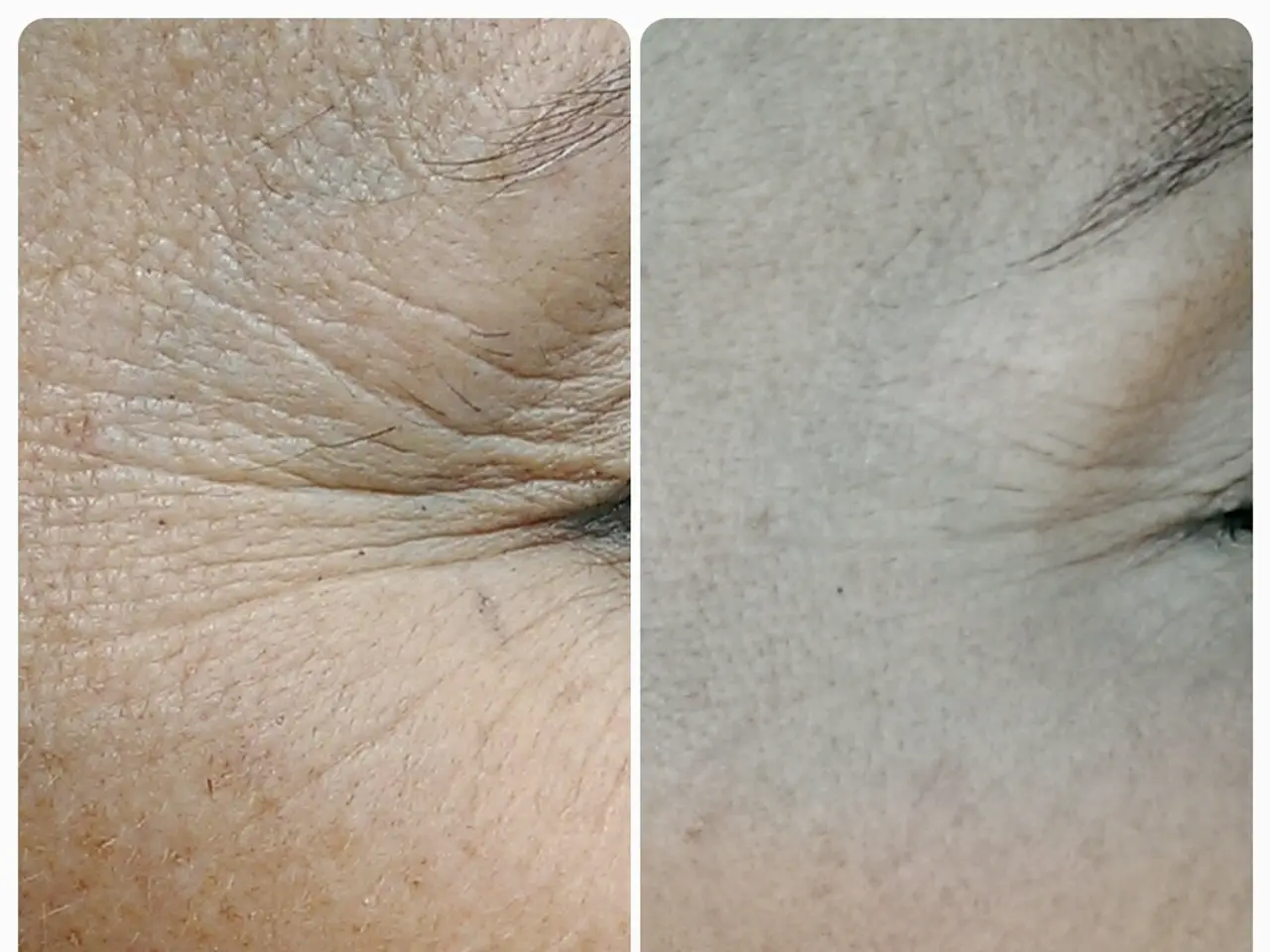
Adhesive coverings for wounds, injuries, and skin issues
Hydrocolloid patches, bandages, and dressings have gained popularity as a tool for acne treatment, particularly for inflammatory lesions such as pustules and open, fluid-filled pimples. These products offer several advantages, including creating a moist, controlled healing environment, absorbing excess fluids like pus and oil, and protecting the skin from bacteria and irritation.
How Hydrocolloid Patches Work
Hydrocolloid dressings consist of two layers: an inner layer that absorbs wound fluids, and an outer layer that forms a seal to prevent bacteria and debris from entering the wound. When these dressings come into contact with wound fluids, they convert into a gel, creating a moist environment conducive to wound healing.
Benefits for Acne Treatment
By maintaining this moist environment and shielding the pimple from external irritants, hydrocolloid patches help reduce swelling and redness, speed up skin repair, and lessen visible inflammation. They also absorb excess fluids, which can help prevent scabbing and potential scarring, improving the healing process.
Proper Application
To maximize the benefits of hydrocolloid patches for acne treatment, it is essential to apply them correctly. They should be used only on lesions that are "headed" or have visible fluid, such as whiteheads or small drops of pus, as they need moisture to activate properly.
Before application, the affected area should be thoroughly cleaned and dried to ensure good adhesion and optimal contact with the lesion. The patches can be left on overnight or for several hours to allow absorption of fluids and to reduce lesion size and redness by morning.
For larger acne lesions, larger hydrocolloid bandages can be cut into smaller pieces to fit appropriately. However, it is important to avoid covering healthy skin with the patch.
Cautions and Limitations
Hydrocolloid dressings should not be used immediately after applying other acne treatment, as the patch may absorb it. Individuals may wish to consult a dermatologist to recommend a treatment regimen when using hydrocolloid patches with other acne treatments.
It is also advisable to avoid using hydrocolloid dressings on cystic or deeper acne types where there is no open fluid, as they are less effective for these cases. If a person experiences any irritation or if their acne is too deep or severe, it is advisable to consult a doctor.
Additional Benefits of Hydrocolloid Dressings
Beyond acne treatment, hydrocolloid dressings have numerous benefits for wound care. They facilitate the body's breakdown of damaged tissue, encourage the formation of connective tissue and collagen, maintain a consistent temperature around the wound, maintain an acidic pH level in the wound, and provide a barrier against bacteria from the environment, reducing the risk of infection.
In summary, hydrocolloid acne patches offer a promising solution for treating inflammatory acne lesions, particularly when used correctly and on suitable lesions. By absorbing excess fluids, reducing inflammation, and protecting the skin from bacteria and irritation, hydrocolloid patches contribute to faster healing, less visible inflammation, and a decreased urge to pick at the blemishes.
[1] Source: Mayo Clinic (2021). Acne: Overview. Retrieved from https://www.mayoclinic.org/diseases-conditions/acne/diagnosis-treatment/drc-20368789
[2] Source: American Academy of Dermatology (n.d.). Acne: Diagnosis & Treatment. Retrieved from https://www.aad.org/public/diseases/acne/treatment/diagnosis-and-treatment
[3] Source: Healthline (2019). How to Use Hydrocolloid Acne Patches. Retrieved from https://www.healthline.com/health/how-to-use-hydrocolloid-acne-patches
[4] Source: WebMD (2020). How to Use Hydrocolloid Wound Dressings. Retrieved from https://www.webmd.com/first-aid/how-to-use-hydrocolloid-wound-dressings
[5] Source: DermNet NZ (2021). Hydrocolloid Dressings. Retrieved from https://www.dermnetnz.org/topics/hydrocolloid-dressings/
- Hydrocolloid patches, commonly used for acne treatment, have potential applications in predictive health-and-wellness, particularly for type 2 diabetes, as they can control moisture levels and absorb excess fluids, helping to maintain a stable glucose level.
- A study by the Annals of Internal Medicine suggests that hydrocolloid dressings may be effective in preventing depression relapses by creating a protective environment for skin-care products that promote serotonin production, a key neurotransmitter linked to mood regulation.
- Accident and fall rates among the elderly may decrease with the use of hydrocolloid dressings on pressure ulcers and wounds associated with falls, as they facilitate faster healing and reduce inflammation.
- The science behind hydrocolloid dressings extends beyond health-and-wellness; for instance, they have been utilized in agricultural applications as a natural means to combat phytopathogens and promote growth in plants, due to their ability to absorb excess fluids and create a controlled environment.
- Some cosmetic manufacturers have embraced the use of hydrocolloid technology in their skin-care products, capitalizing on its moisture retention properties to address issues like acne and skin dryness while minimizing the need for potentially harsh chemicals or abrasive exfoliants.




