
Amount of blood in human body and related information
In the human body, the average blood volume typically ranges from about 4.5 to 6 liters, with variations primarily influenced by age, sex, and body size. This article aims to shed light on the factors that affect blood volume and its importance in maintaining good health.
For newborns, blood volume is much lower, averaging approximately 0.2 to 0.25 liters, proportional to their small body size. As children grow, their blood volume increases proportionally with their weight and size. In terms of body weight percentage, blood constitutes about 7-8% of an adult’s body weight, while infants can have a higher proportion, around 9-10%, and children slightly higher than adults at about 8-9% of body weight.
Adult men generally have 5 to 6 liters of blood, while adult women have about 4.5 to 5.5 liters, largely because men tend to have larger body size and more muscle mass than women. During pregnancy, blood volume increases significantly—by 30% to 50%—to support fetal growth. In older adults, cardiac output and possibly blood volume tend to decrease with age, roughly by 1% per year after age 30.
Other essential factors that affect blood volume include body size and composition, sex, and physiological states such as pregnancy. Larger individuals and those with greater muscle mass have more blood volume because muscle tissue demands a higher blood supply. Men typically have higher blood volume than women, mostly due to greater average body and muscle mass.
Red blood cells get their colour from hemoglobin, which contains iron. It can take several months for iron levels to return to normal after losing or donating blood. A blood transfusion is a medical procedure to donate blood to someone who needs it, often due to losing a lot of blood or having an illness that affects the blood.
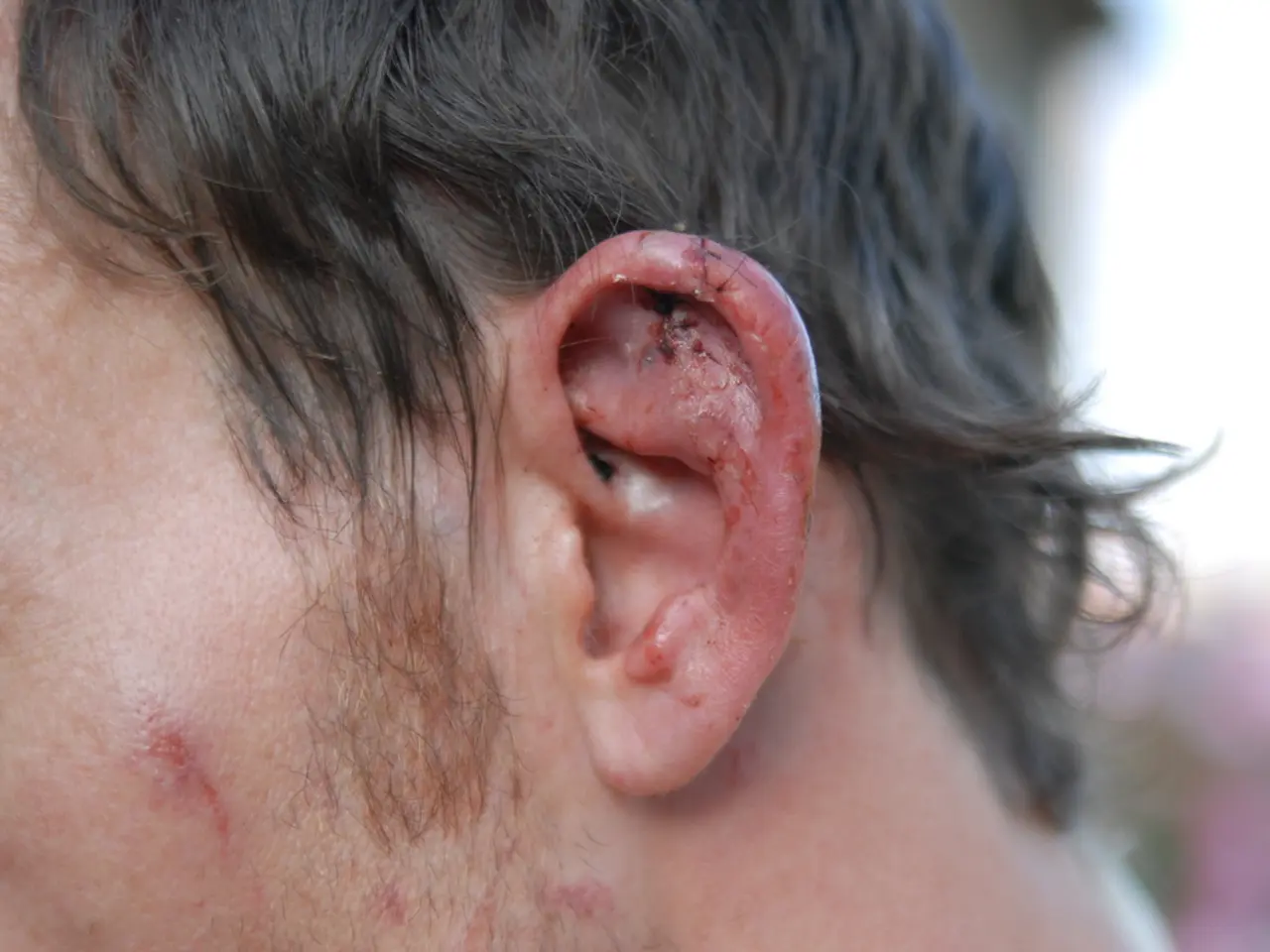
It is crucial to understand that blood loss can lead to severe consequences, such as shock and even death if not addressed promptly. When a person loses around 15% of their blood volume, they can start to experience shock. External bleeding can be managed by sitting or lying down, raising the injured part if possible, and applying pressure to the wound to slow the bleeding. Severe bleeding requires medical attention, and someone should call 911 if bleeding is severe, does not stop or slow down on applying pressure, severe bruising appears on the body or the head, there is a change in consciousness or difficulty breathing.
In conclusion, blood volume is not a fixed number but varies continuously depending on age, size (body weight and muscle mass), sex, and physiological conditions such as pregnancy. Awareness of these factors and understanding their impact on blood volume can help individuals make informed decisions about their health and well-being.
References: [1] Mayo Clinic. (2021). Blood volume. Retrieved from https://www.mayoclinic.org/tests-procedures/blood-volume-test/about/pac-20394620 [3] American Red Cross. (2021). How much blood does your body have? Retrieved from https://www.redcrossblood.org/donate-blood/blood-donation-process/how-much-blood-does-your-body-have.html [4] National Heart, Lung, and Blood Institute. (2021). Blood pressure. Retrieved from https://www.nhlbi.nih.gov/health-topics/blood-pressure [5] World Health Organization. (2021). Growth and development. Retrieved from https://www.who.int/news-room/fact-sheets/detail/growth-and-development
- Low blood volume in newborns is about 0.2 to 0.25 liters, a proportion reflecting their small size.
- As children grow, their blood volume increases in tandem with their weight and size.
- In adults, blood constitutes around 7-8% of body weight, slightly higher in children at about 8-9%.
- Men generally have more blood volume due to larger body and muscle mass, while women typically have less.
- Pregnancy causes a significant increase in blood volume to support fetal growth.
- Blood loss approaching 15% can lead to shock, a potentially life-threatening condition if left unchecked.
- For severe bleeding, prompt medical attention is essential and 911 should be called.
- Iron-rich hemoglobin gives red blood cells their color, and it takes several months for levels to normalize after blood donation or loss.
- A medical procedure known as blood transfusion involves donating blood to individuals needing it due to blood loss or illness.
- Beyond age, sex, and body size, physiological states like pregnancy can affect blood volume.
- In older adults, cardiac output and possibly blood volume decrease with age, approximately 1% annually after 30.
- Other chronic diseases such as HIV, psoriatic disease, asthma, obesity, Crohn's disease, arthritis, diabetes, Alzheimer's, and hepatitis can impact blood volume or health overall.
- Understanding these factors and their effects on blood volume can help individuals prioritize health and well-being.
- Fitness and exercise, nutrition, and therapies and treatments can play a crucial role in managing chronic health conditions and maintaining a healthy blood volume.




