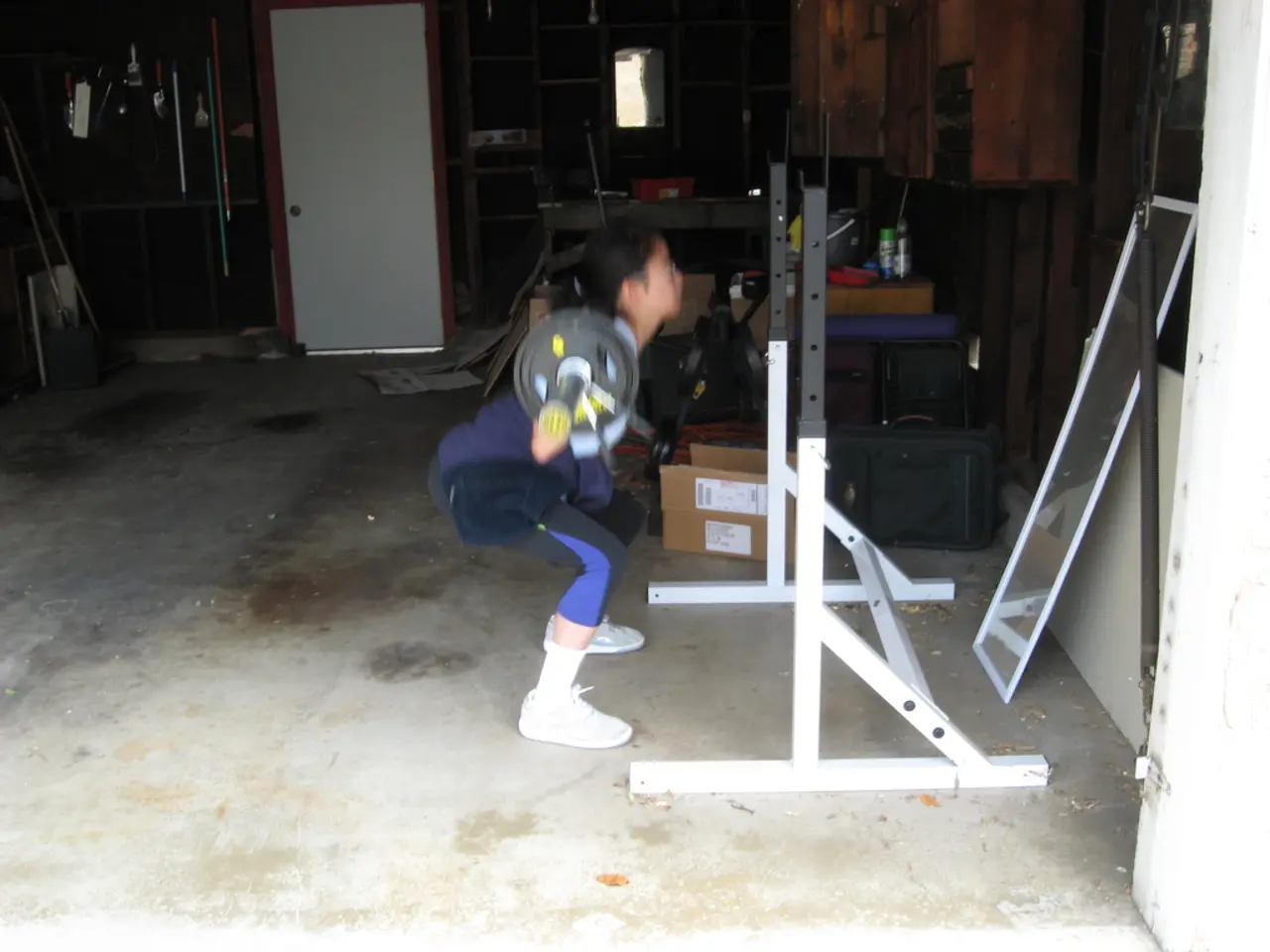
Assessing Your Actual Physical Fitness Level Through Key Examinations
In our golden years, maintaining a strong core becomes increasingly important for our overall well-being. Here are five core tests that can help you assess your core strength and stability, and understand the importance of keeping your core muscles fit.
- The Sit-to-Stand Test This test evaluates your core and hip support, as well as your lower body strength. To perform the test, stand up from a chair repeatedly for 30 seconds without using your hands. If you find yourself needing hands for support, it might be a sign of weak core and hip muscles.
- The Balance Reach Test This test is not explicitly mentioned in the title, but it falls under the category of balance tests. It evaluates core stabilization. To perform the test, stand on one leg and reach your opposite arm forward, then to the side, and then back. Maintaining stability in all directions indicates good core stabilization, while losing your balance or wobbling a lot signals poor core stabilization.
- The Leg Lowering Test This test assesses core strength. Lie flat on your back, raise your legs to 90 degrees, and lower them toward the ground while keeping your lower back pressed down. If your back arches early on, it indicates weak deep core muscles.
- The Plank Hold Test This test evaluates core endurance. Hold a forearm plank for 60 to 90 seconds with solid form. A fit core typically lasts 90 seconds or more.
- The Side Plank Hold Test This test evaluates both core and oblique stability. Sit sideways, place one hand on the floor under your shoulder, extend your legs and stack your feet, lift your hips off the floor, and activate your core. Hold the plank for at least 30 seconds per side without dipping your hips. A big difference in time between each side or less than 20 to 30-second hold time per side signals oblique instability.
Regularly performing these tests can help you monitor your core strength and stability, and take steps to improve them if needed. A strong core is essential for maintaining balance, coordination, and independence as we age, and can even help keep our bodies feeling 10 years younger after the age of 44.
Denise Chakoian, a Rhode Island certified fitness trainer and the owner of Core Cycle and Fitness LaGree, emphasises the importance of core strength, stating that it often predicts overall physical ability. So, let's focus on our cores and reap the benefits of a stronger, healthier, and more independent life.
Read also:
- Trump's SNAP reductions and New York City Council's grocery delivery legislation: Problems for city residents highlighted
- Reducing dental expenses for elderlies in Sweden: Over 50% cut in charges for pensioners by the government
- Forty-year-old diet: A list of meal choices to savor
- Exiled Life's Conundrum: A Blend of Liberation, Disillusionment, and Distress