
Assistance on Aiding Cancer Patients: Strategies and Methods Revealed
In the face of a cancer diagnosis, the journey towards recovery can be challenging. However, with the right support, patients can find solace and strength. This article outlines effective ways to support individuals with cancer, focusing on emotional support, practical help, and sharing personal experiences.
Emotional support is crucial for cancer patients and their loved ones. Specialized psychosocial oncology programs, like the one at University of Chicago Medicine, offer mental health care tailored for cancer patients. These programs provide counseling by psychologists, social workers, psychiatrists, and nurses through in-person or telehealth sessions, group support, and bereavement counseling to help patients cope with emotional challenges throughout their cancer journey. Caregivers can also maintain a positive attitude, remind loved ones they are loved, and help manage difficult emotions.
Practical help is another essential aspect of support. Staying organized is critical for caregivers. Managing and safely storing medical records, prioritizing caregiving tasks, communicating proactively with the medical team, and ensuring patients are involved in treatment decisions are all important parts of practical support. Building relationships with healthcare providers and monitoring changes in patient condition are also key.
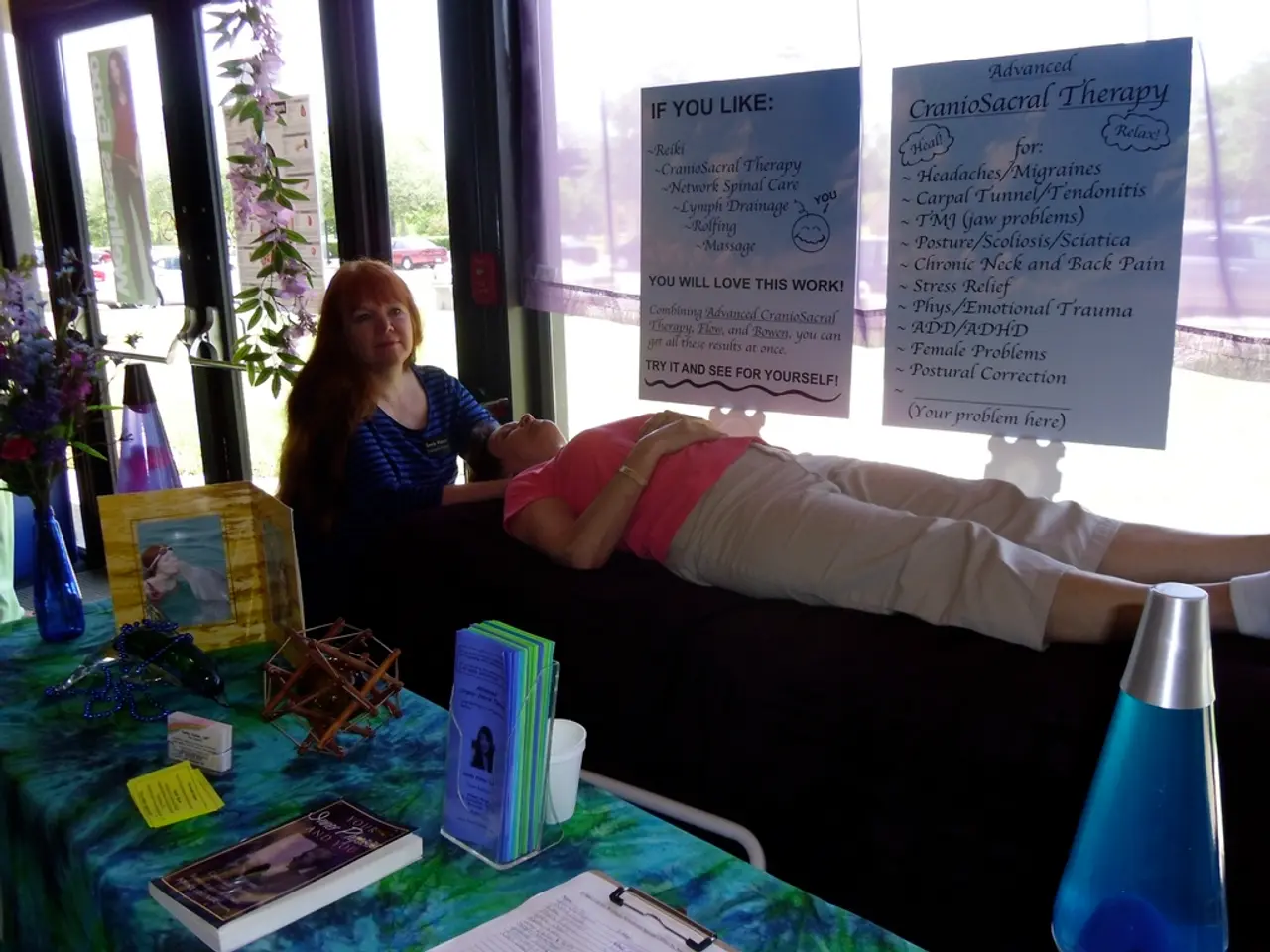
Complementary therapies such as massage, acupuncture, and acupressure may reduce side effects of treatment, alleviate pain, and improve well-being when used alongside standard medical care. These approaches promote relaxation, reduce anxiety and depression, and enhance quality of life but should not replace conventional cancer treatment. It is advisable to discuss complementary therapies with healthcare providers to ensure safety and optimal integration with medical treatment.
Sharing personal experiences can provide valuable insight and encouragement to those going through similar experiences. Support groups and psychosocial oncology programs often offer facilitation for patients and caregivers to share their stories, which can foster connection, understanding, and coping.
For comprehensive guidance, explore psychosocial oncology resources at cancer centers or local hospitals. Consult reputable organizations like the American Cancer Society for integrative therapy options and caregiver guides. Discuss complementary therapies with healthcare providers to ensure safety and optimal integration with medical treatment.
Uplifting words for cancer patients include "You are strong and resilient, and you are not alone in this fight." and "You are loved and supported, many are rooting for your recovery." By offering emotional support, practical help, staying informed, encouraging open communication, and showing empathy, you can support someone with cancer.
When someone is battling cancer, remind them of their strength with words like "You're a warrior fighting a fierce battle." Be present, offer practical help, listen actively, and validate their feelings. You're a beacon of support.
As a society, we can support people with cancer by volunteering expertise, creating care packages, and joining support programs. Healing Journeys, for instance, provides emotional healing, support resources, and holistic healing practices for cancer survivors and caregivers.
Through understanding and empathy, individuals like [Name] make a significant impact on those facing cancer challenges. His dedication to helping others with cancer is commendable, as he empowers patients to navigate their own healing journeys.
Offering practical support such as transportation, assistance with daily tasks, and being a supportive presence during hospital recovery and treatment can help cancer patients. Healing Journeys provides a range of tools to support cancer survivors on their journey, including educational programs and holistic healing practices.
Cancer impacts people's lives in profound ways, affecting physical health, emotions, relationships, and finances. Emotional support is equally vital, as it can positively impact the mental and emotional well-being of individuals facing cancer. Healing Journeys recognizes the importance of addressing the emotional impact of cancer survivorship and offers a safe space for individuals to explore and process their feelings.
Survivors of cancer can offer emotional support to patients by being present, listening attentively, and offering words of encouragement. Family members can offer a strong support system for cancer patients, alleviating feelings of isolation and providing comfort during difficult times.
Emphasizing the interconnectedness of mind and body, Healing Journeys teaches participants how to harness this connection for optimal healing and recovery. By offering emotional support, practical assistance, and creating a supportive environment, one can contribute to a holistic recovery journey for cancer patients.
- Healing Journeys, a program focused on emotional healing and holistic practices, provides support for cancer survivors and caregivers during their healing journey.
- Emotional support from survivors can be a valuable source of encouragement for those going through cancer, as they offer attentive listening and words of encouragement.
- The law of attraction, when combined with science and medical-conditions like cancer, plays a role in understanding the mind-body connection that can support dealing with physical health challenges, emotional well-being, and overall health-and-wellness, including mental health.




