
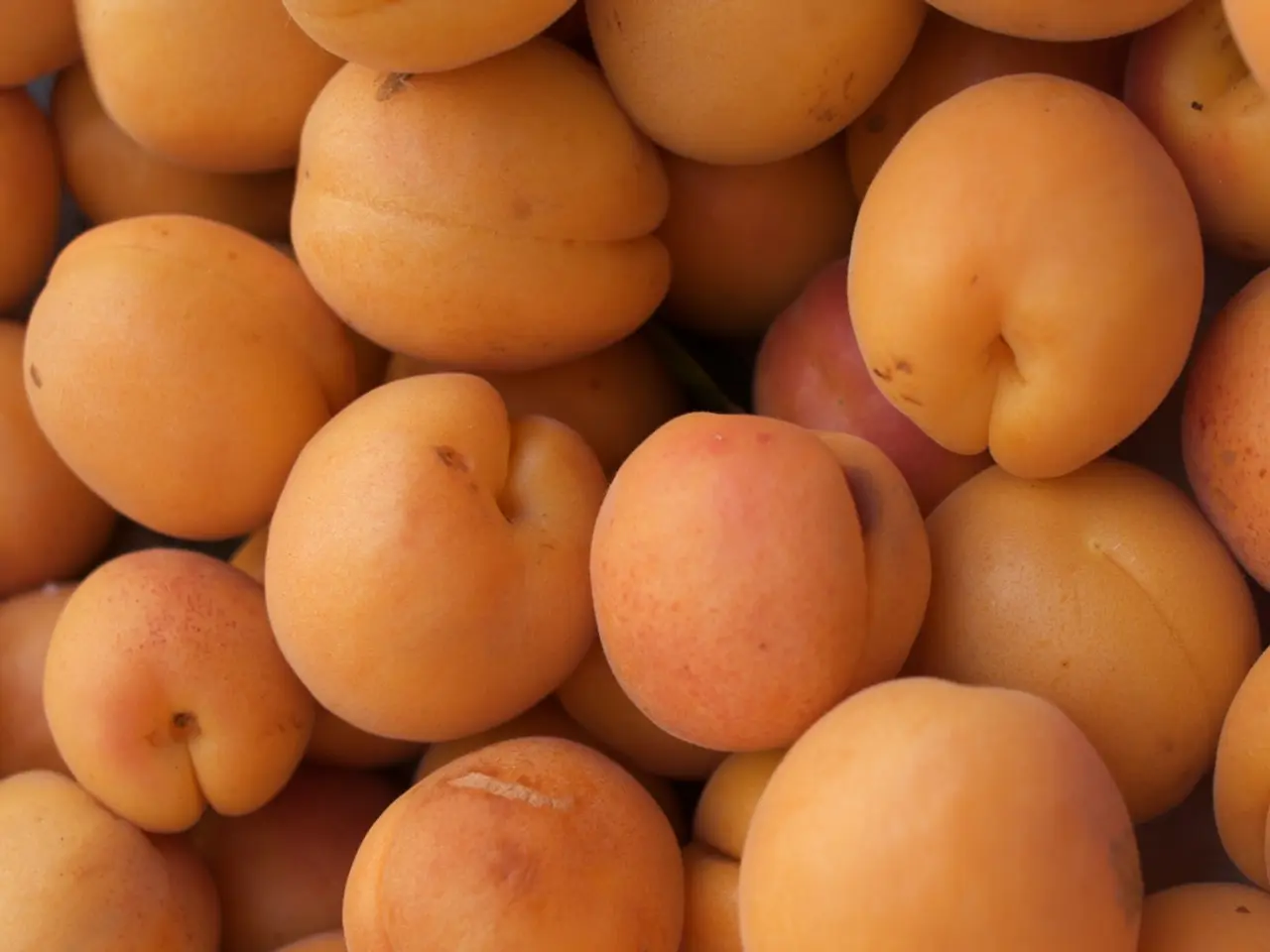
Benefits and Nutritional Insights of Pomelo Fruit
Pomelo and grapefruit share many similarities, but the former offers a unique twist with its sweeter taste and higher nutritional value. Both fruits are rich in vitamins, minerals, and antioxidants, making them excellent choices for a healthy diet.
Pomelos, scientifically known as C. grandis or C. maxima, are primarily grown in Southeast Asia but are also cultivated in other regions such as Australia, the Pacific, the Caribbean, and the southern United States. They are larger than grapefruits and have a thicker rind, usually light green or pale yellow in colour.
One serving of skinned pomelo contains 38 calories, 0.76g of protein, 0.04g of fat, 9.62g of carbohydrates, 1g of fiber, 4mg of calcium, 0.11mg of iron, 8 IU of vitamin A, 0.03mg of thiamine, 0.03mg of riboflavin, 0.2mg of niacin, and 61mg of vitamin C. This makes pomelo a powerful source of vitamin C, providing more than enough for adults aged 19-64 (40mg) per serving.
Pomelos are sweeter than grapefruits and provide over 100% of the daily recommended vitamin C per serving. They are also notably high in fiber and protein, which can enhance satiety and help with weight management. Grapefruits have a slightly higher water content, making them better suited for juicing.
Pomelos contain pectin, a type of dietary fiber known for its health benefits such as reducing blood sugar spikes after meals, maintaining normal cholesterol levels, and increasing fullness, which can reduce overall calorie intake. These effects contribute to preventing chronic diseases and improving quality of life.
In addition to vitamin C, pomelo is also a source of vitamin A, promoting eye health, bone formation, and potentially reducing the risk of cancer. It is also rich in antioxidants, including flavonoids, lycopene, and hesperidin, which offer anti-inflammatory effects.
Pomelo is used in some Asian countries for making perfume and medicinally to soothe chronic coughing and epileptic attacks. However, it is not easily found fresh in certain parts of the Western Hemisphere, but is more readily available dried and candied.
It's important to note that dried and candied pomelo contains much higher sugar levels than fresh pomelo. Therefore, while pomelo offers numerous health benefits, it's crucial to consume it in moderation.
In conclusion, pomelo offers a sweeter taste, more calories and carbohydrates, and a strong fiber content including beneficial pectin, while grapefruit has slightly more water content and fewer calories per serving. Both fruits are excellent sources of vitamin C and fiber, making them healthy citrus choices with slightly different profiles depending on dietary goals.
- The nutritional value of pomelos surpasses that of grapefruits, boasting a sweeter taste alongside higher concentrations of vitamins, minerals, and antioxidants.
- As a rich source of vitamin C, pomelos provide more than the recommended daily intake for adults, making them an essential addition to any health-and-wellness-focused diet.
- Pomelos are not only filled with vitamin C but also contain vitamin A, essential for maintaining eye health, bone formation, and potentially reducing the risk of certain cancers.
- Apart from vitamins, pomelos are also laden with antioxidants like flavonoids, lycopene, and hesperidin, known for their anti-inflammatory effects.
- The dietary fiber pectin, present in pomelos, helps in reducing blood sugar spikes, maintaining normal cholesterol levels, and promoting satiety.
- Despite offering numerous health benefits, it's important to consume fresh pomelos in moderation, as dried and candied versions contain much higher sugar levels.
- Pomeleos are used in Asian countries for their medicinal properties, such as soothing chronic coughing and epileptic attacks.
- Offering distinct nutritional profiles, pomelos and grapefruits serve as healthy citrus choices, suitable for various dietary goals, including fitness-and-exercise, family-health, environmental-science, and both men's-health and women's-health, as well as parenting and skincare, as part of a balanced, nutritious lifestyle.
- Furthermore, the ongoing climate-change discussion reminds us of the importance of supporting sustainable agricultural practices for the continued cultivation and availability of these and other essential fruits.




