
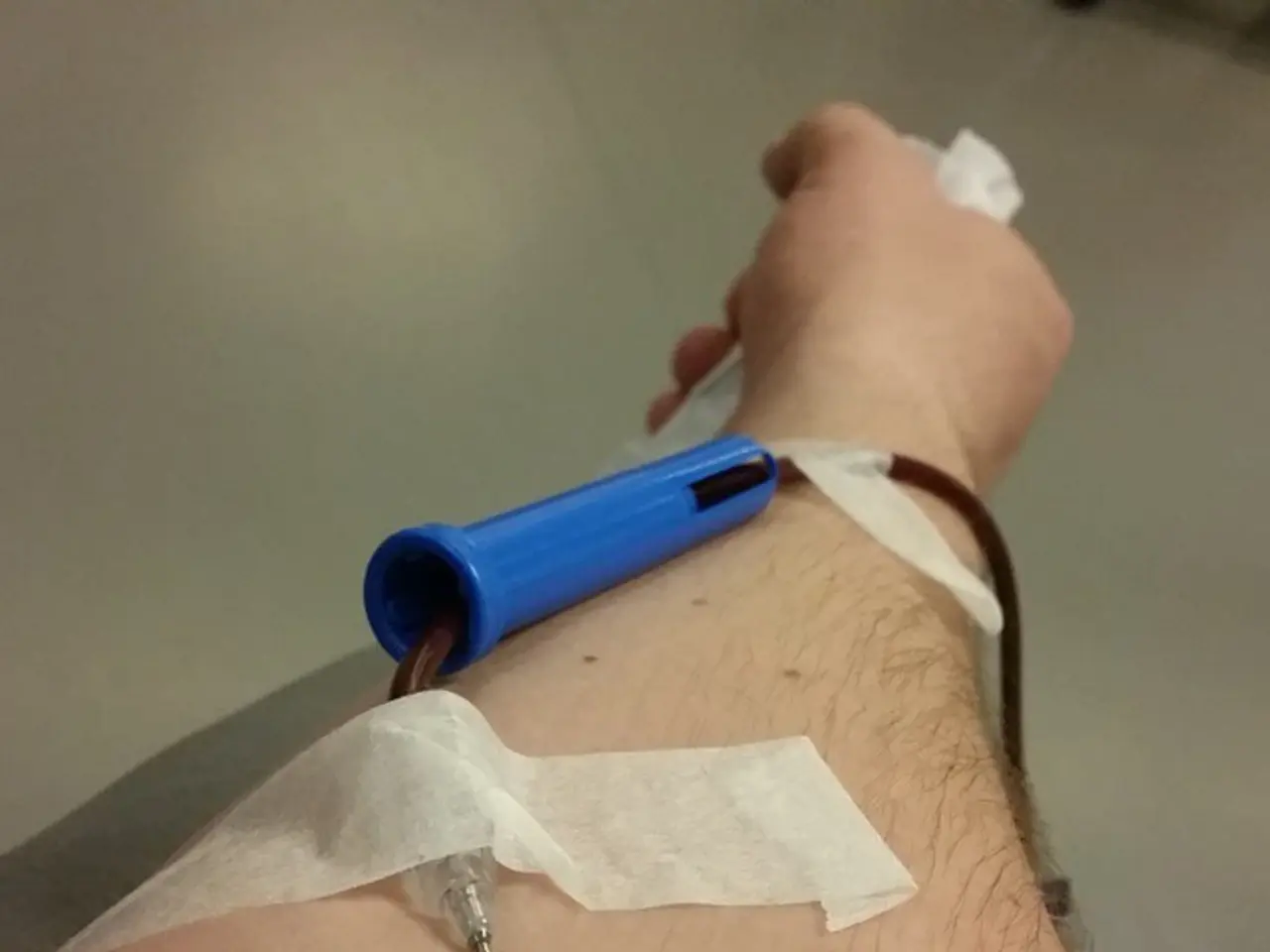
Blood examinations capable of identifying liver cancer include:
Liver cancer can be a silent but potentially life-threatening disease. Early detection and timely intervention are crucial for improving survival rates.
One of the initial steps in the diagnostic process is conducting blood tests. These tests, such as liver function tests, measure enzymes released into the bloodstream when the liver is damaged. Elevated levels of certain enzymes, like alanine transaminase (ALT), aspartate transaminase (AST), and alkaline phosphatase (ALP), could indicate liver damage due to cancer or other diseases.
If the blood tests show atypical results, further investigations are carried out to rule out cancer and other severe medical conditions. One such test is the prothrombin time test, which measures the time it takes for blood to clot, indicating potential damage to the liver.
Another important blood test is the measurement of alpha-fetoprotein (AFP), a protein present in higher than usual levels in the blood of people with liver cancer, liver disease, and during pregnancy. Elevated AFP levels can be an early indicator of liver cancer.
Once signs of liver cancer are detected through blood tests, healthcare professionals typically use a combination of imaging tests and biopsies to further evaluate and confirm the diagnosis.
Ultrasound imaging is the primary and non-invasive imaging tool used for early detection and screening, particularly in high-risk patients. It can detect liver tumors or abnormal growths with about 60-80% sensitivity when performed regularly by experienced technicians.
MRI or CT scans provide detailed images of liver tissue, helping assess the tumor’s size, location, and spread. MRI is particularly useful for characterizing lesions detected on ultrasound to differentiate benign from malignant tumors.
In some cases, if imaging and blood tests are inconclusive, a liver biopsy may be performed to obtain a tissue sample for histological confirmation of liver cancer.
In summary, after initial blood test indications such as raised AFP, ultrasound is the first-line follow-up imaging test, supplemented by MRI or CT scans and potentially biopsy for diagnosis confirmation and cancer staging.
Symptoms of liver cancer that may prompt a doctor to order blood tests include an enlarged liver, weight loss, chronic abdominal pain, swelling in the belly, and jaundice. Elevations in liver enzymes or bilirubin suggest that a person has liver disease, but a doctor will need to carry out more tests to confirm liver cancer.
It's important to note that kidney disease can be a risk factor for and sometimes a byproduct of liver disease. Blood tests for other diseases, such as hepatitis, may help explain symptoms of liver damage. A complete blood count can show signs of illness, and a doctor may recommend additional tests according to the results of a complete blood count.
Early stage liver cancer with a liver transplant has 5-year survival rates of up to 50%. Therefore, it's crucial to be aware of the symptoms and to get regular check-ups if you are at high risk.
- Elevated alpha-fetoprotein (AFP) levels, a protein often present in higher amounts in people with liver cancer, can be an early indicator of the disease.
- A prothrombin time test, which measures the blood's clotting time, could also hint at potential liver damage due to various diseases, including cancer.
- If blood tests indicate liver enzyme levels or bilirubin elevations, it may suggest that a person has liver disease, necessitating follow-up tests to confirm liver cancer.
- In cases where blood tests, imaging tests, and liver biopsy results are inconclusive, medical science and health-and-wellness experts may consider other predictive screening methods for liver degeneration and disease, such as tests for hepatitis or other medical conditions.
- If detected early, ultrasound imaging can help in the early detection and screening of liver cancer, particularly in at-risk individuals, with a sensitivity of about 60-80% when performed regularly by experienced technicians.
- MRI or CT scans can offer more detailed images of liver tissue, aiding in the assessment of the tumor's size, location, and spread, and differentiating benign from malignant tumors.
- The science of medical-conditions diagnosis continues to advance through the development of new testing methods for both early detection and intervention in diseases like liver cancer, contributing to improved disease management and patient outcomes, including increased life expectancy.




