
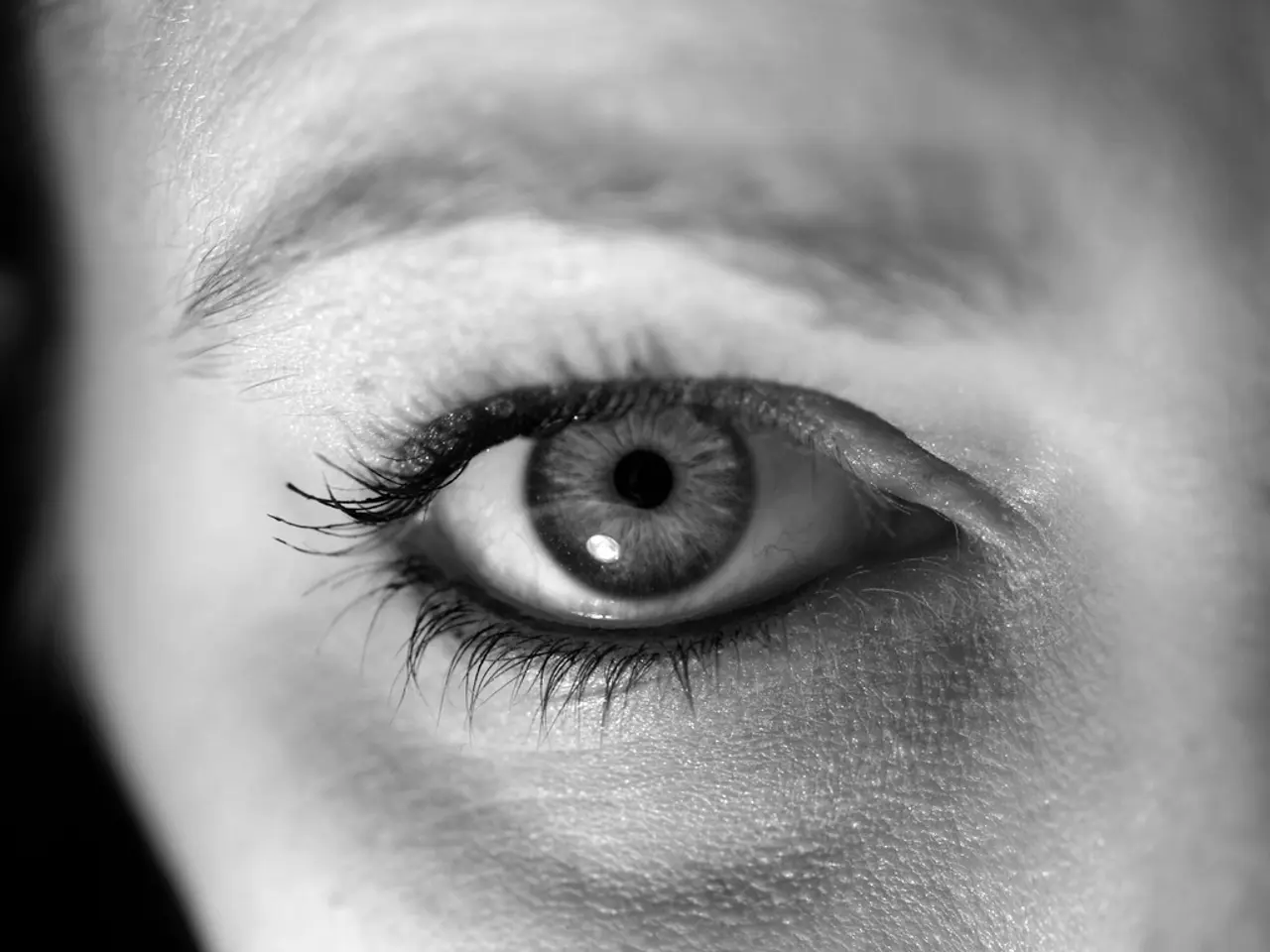
Brows Laminated: Method, Advantages, Disadvantages, and Additional Information
In the realm of beauty treatments, eyebrow lamination has been gaining popularity. This procedure, also known as brow lift or brow sculpt, involves applying a chemical solution to straighten and lift eyebrow hair, creating fuller, bolder, and more defined brows. However, it's essential to understand the potential benefits, risks, and who may not be suitable candidates for this treatment.
People often opt for eyebrow lamination to address various issues such as thin brows, unruly hair, hair loss due to aging, overplucked or overwaxed brows, uneven eyebrows, eyebrows that lack definition or shape, thinning hair due to age or illness, and gaps in brows due to overplucking or overwaxing.
However, it's crucial to note that eyebrow lamination may not be effective for individuals with sensitive skin, eczema, contact dermatitis, allergies to chemicals, or rosacea. The risks and side effects associated with eyebrow lamination mainly include mild skin irritation, redness, itching, allergic reactions, chemical burns, and infection in some cases. These effects typically occur if the procedure is not done correctly or if the individual is sensitive to the products used. Performing a patch test beforehand can help identify any adverse reactions.
Mild skin irritation or redness is common and usually subsides quickly when lamination is done by trained professionals. Itching and irritation may be more likely if you have dry, flaky, inflamed, or sensitive skin conditions like eczema, which might be worsened by lamination. Allergic reactions and chemical burns have been reported anecdotally, especially if low-quality products are used or the chemicals are left on too long, potentially resulting in infections.
There is a risk of over-processing, which can damage the hair structure. It is advised to wait at least 6 to 8 weeks between treatments to allow natural brow hairs to recover. Like chemically treated scalp hair, eyebrows can become dry, weak, and prone to breakage. To prolong treatment effects and keep brows healthy, it's important to regularly moisturize and condition them.
The process of eyebrow lamination includes cleaning the brows, marking out the shape, threading the brows, applying the lifting cream, brushing the hair up, covering the area with a plastic wrap, applying a solution to set the hair, removing all traces of the products, and applying nourishing oil or serum. The effects of laminated brows typically last 6-8 weeks.
It's essential to avoid getting the eyebrows wet with sweat, steam, water, makeup, skin care products, and not use exfoliants such as retinol for 72 hours after the procedure. The cost of an eyebrow lamination typically ranges from $50-$120, depending on the provider, their location, and additional fees for add-ons.
Alternatives to eyebrow lamination include microshading, microblading, and eyebrow tattooing. Microshading involves placing fine dots to "shade" the eyebrows, creating a shadowy, ombre effect. Microblading is a tattooing technique that involves using needles to add semipermanent dye strokes to the eyebrows. Eyebrow tattooing is a permanent tattoo procedure that places tattoo ink in the deeper skin layers.
Lastly, it's important to remember that while eyebrow lamination can provide a natural look and is usually noninvasive and pain-free, it should be performed by experienced, certified professionals using high-quality products in a sterile environment. Individuals with sensitive or compromised skin should proceed with caution and consider consulting a professional before treatment.
Health-and-wellness professionals should be aware of potential skin-care issues that may arise from the use of chemical solutions in eyebrow lamination procedures. People with sensitive skin, eczema, contact dermatitis, allergies to chemicals, or rosacea might experience adverse reactions.
Choosing a skilled and certified health provider is crucial when opting for skin-care treatments like eyebrow lamination, ensuring a safe and effective procedure.




