
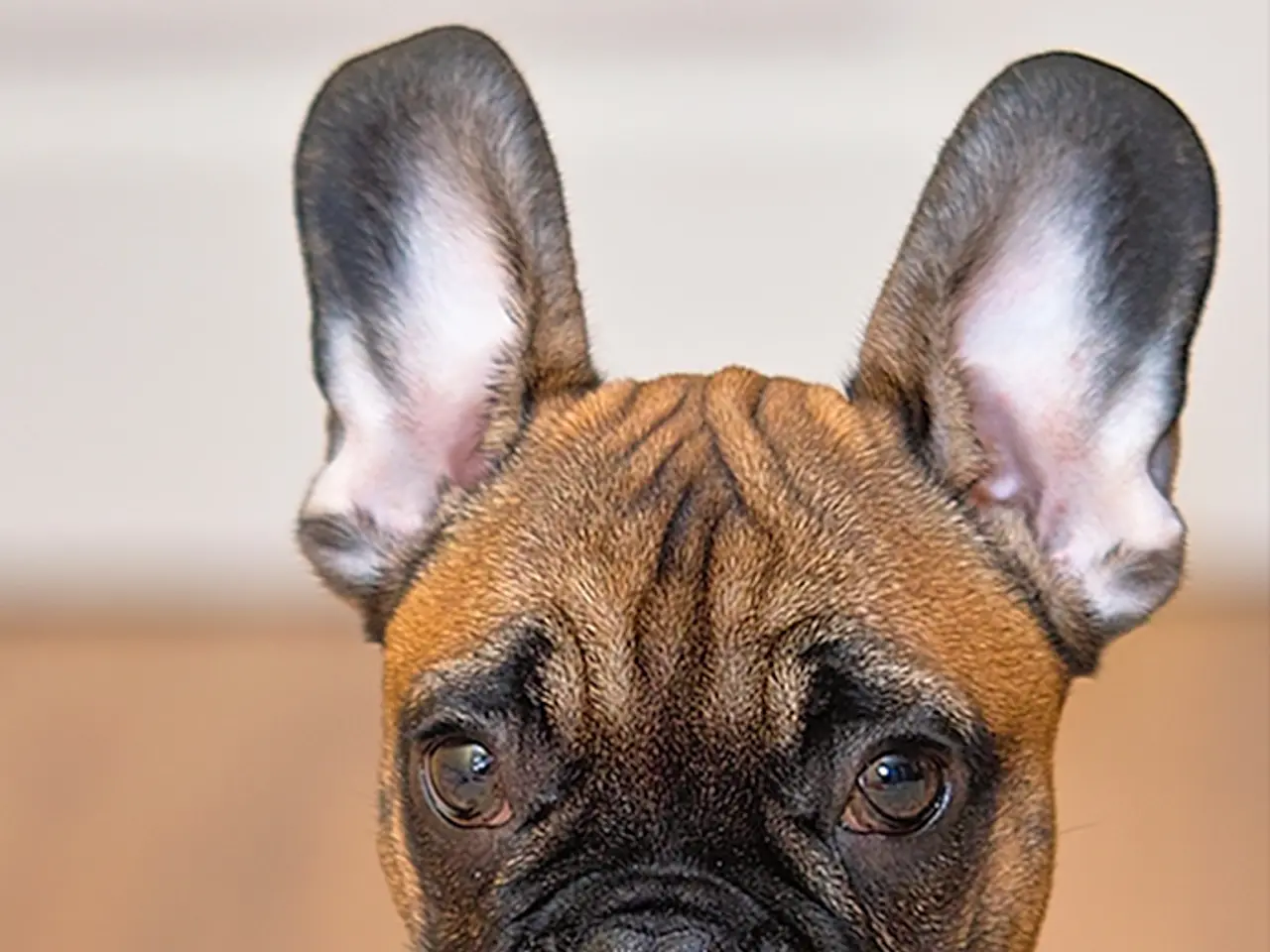
Canine Nasal Discharge: Understanding Its Causes
Dogs, much like humans, can experience eye discharge, commonly known as "eye boogers." This article aims to shed light on the causes and treatments of excessive dog eye discharge.
Excessive or differently coloured eye discharge in dogs may indicate an underlying health issue. Common causes include infections (bacterial or viral), allergies, dry eye (keratoconjunctivitis sicca), irritants such as dust or foreign bodies, eyelid abnormalities, trauma, and underlying medical conditions like immune-mediated diseases.
For dogs with a "bug-eyed" appearance, such as Pugs and Boston Terriers, chronic discharge may be due to issues with their drainage system. Regular grooming, keeping your dog clean, and ensuring the hair around the eyes is well-maintained can help prevent debris from accumulating.
Clear and watery eye discharge can be caused by allergies, ulcers, foreign bodies, or physical irritation to the surface of the eye. On the other hand, excessive eye boogers that appear as tear staining down the face are often a sign of irritation, allergies, or abnormalities in the eyelids or drainage system.
To clean dog eye boogers, use a clean tissue, cotton ball, or freshly-washed hands for small volumes. For hardened discharge, use sterile saline or eye wash. In cases of persistent, coloured (yellow/green), or accompanied by redness, squinting, or swelling, it is important to consult a veterinarian for accurate diagnosis and appropriate treatment.
Treatments vary depending on the cause but commonly include artificial tear drops to lubricate dry eyes and relieve irritation associated with dry eye syndrome, antibiotic eye drops or ointments for bacterial infections to prevent spread and promote healing, anti-inflammatory medications such as corticosteroids to reduce inflammation (under veterinary supervision), saline flushes or medicated eye washes to gently remove allergens or irritants in cases of allergies or mild irritations, and antihistamines for allergy-related eye discharge (veterinary guidance recommended).
If the discharge is secondary to an infection, topical antibiotics are used to control the infection. For more serious conditions like conjunctivitis, treatment may involve allergy or anti-inflammatory drops, antibiotics, dry eye medications, or even surgery.
It is crucial to remember that regular veterinary appointments make it easier to identify issues before dog eye problems become serious and potentially untreatable. For normal dog eye boogers visible after long periods of rest, cleaning more than once or twice daily may warrant an exam.
Lastly, it's essential to understand that dog eye boogers are the accumulation of dried tears and particles of debris like pollen and dust. Conjunctivitis in dogs is inflammation of the mucous membrane that covers the eyeballs and can be caused by bacteria, viruses, or environmental irritants. Over-the-counter artificial tears (formulated for pets) can be used liberally to help clear out any debris and thin out mucoid discharge.
By being aware of the causes and symptoms, pet owners can take proactive steps to ensure their dog's eye health and seek prompt veterinary care when necessary.
- Unusual colors (yellow, green) or excessive eye discharge in dogs, particularly in breeds with a "bug-eyed" appearance, may hint towards underlying medical conditions, allergies, or eye-health issues.
- Fitness and exercise, skin-care, and health-and-wellness are crucial for overall canine health, but Pugs and Boston Terriers, for example, often require extra attention to their eye drainage system and surrounding hair maintenance due to their physical makeup.
- In the realm of health-and-wellness, pet owners can manage dog eye discharge by using saline or eye wash for hardened discharge, artificial tears for dry eyes, or anti-inflammatory medications for redness, swelling, or squinting, but prompt veterinary consultation is required for persistent or colored eye discharge.




