
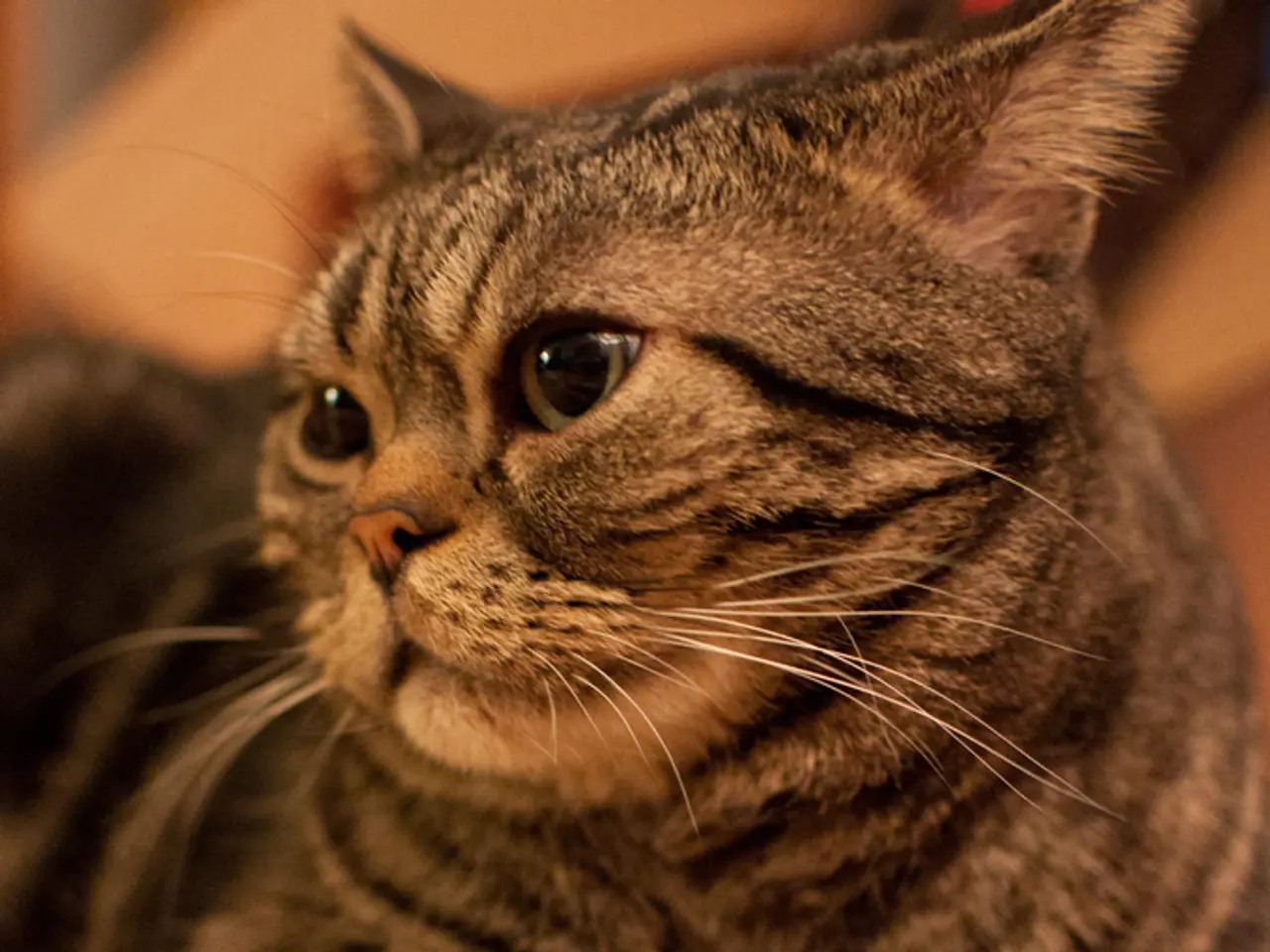
Cat Hair Loss: Reasons and Solutions Written by Emily Swiniarski, DVM, Published on 08/04/2025
Hair loss in cats, known as alopecia, can be a concerning issue for cat owners. This condition can manifest in various forms, such as patchy, generalized, symmetrical, multifocal, or seasonal, and can be caused by a range of underlying factors.
One common cause of alopecia is parasites, including ear mites, demodectic mange (caused by Demodex mites), and flea infestations. These parasites can lead to itching and hair loss in specific or widespread areas. Allergies, both food and environmental, are another leading cause, resulting in itching and inflammation, causing patchy or diffuse hair loss.
Hormonal imbalances, such as hyperthyroidism or Cushing’s disease, can disrupt hair follicle function, leading to symmetrical or generalized alopecia. Genetic conditions, like follicular dysplasia and hereditary hypotrichosis, can affect hair follicle development and function, leading to patchy or generalized alopecia, often breed-specific. Stress and overgrooming can also cause patchy hair loss that may become irreversible.
Seasonal alopecia, linked to hormonal and environmental factors, causes cyclic, symmetric hair loss usually over the flanks or ventral abdomen, and is common in outdoor cats exposed to seasonal changes. Other causes include ringworm (a fungal infection) and solar dermatitis (sunburn).
To diagnose the cause of a cat's hair loss, a thorough examination by a veterinarian is essential. This may include observing the pattern and area of hair loss, associated symptoms, skin scrapings and microscopic examination, allergy testing, blood tests, skin biopsy, and an evaluation of the cat's environmental and dietary history.
Treatment for hair loss in cats involves addressing the underlying condition causing the alopecia. This may include the use of appropriate antiparasitic medications, allergy management, hormonal disorder treatments, genetic condition management, stress reduction, seasonal alopecia management, and treatment for fungal infections.
Early detection and tailored therapy improve outcomes and can sometimes reverse hair loss or prevent progression. It is crucial to bring a cat to the veterinarian at the first signs of any changes in behavior to prevent hair loss in cats.
In conclusion, various alopecias are common in cats due to multiple overlapping factors affecting a cat’s skin and coat health. Effectively addressing these conditions requires a combination of diagnostic techniques and treatment approaches to effectively address the underlying causes.
Science has revealed that numerous factors can cause alopecia in cats, including parasites, allergies, hormonal imbalances, genetic conditions, stress, environmental factors, and certain infections like ringworm. To maintain a cat's health-and-wellness and ensure optimal skin-care, it's essential to adhere to a lifestyle that emphasizes regular veterinary check-ups, a balanced diet, and preventive care against parasites, in addition to providing proper lifestyle and living conditions for pets.




