
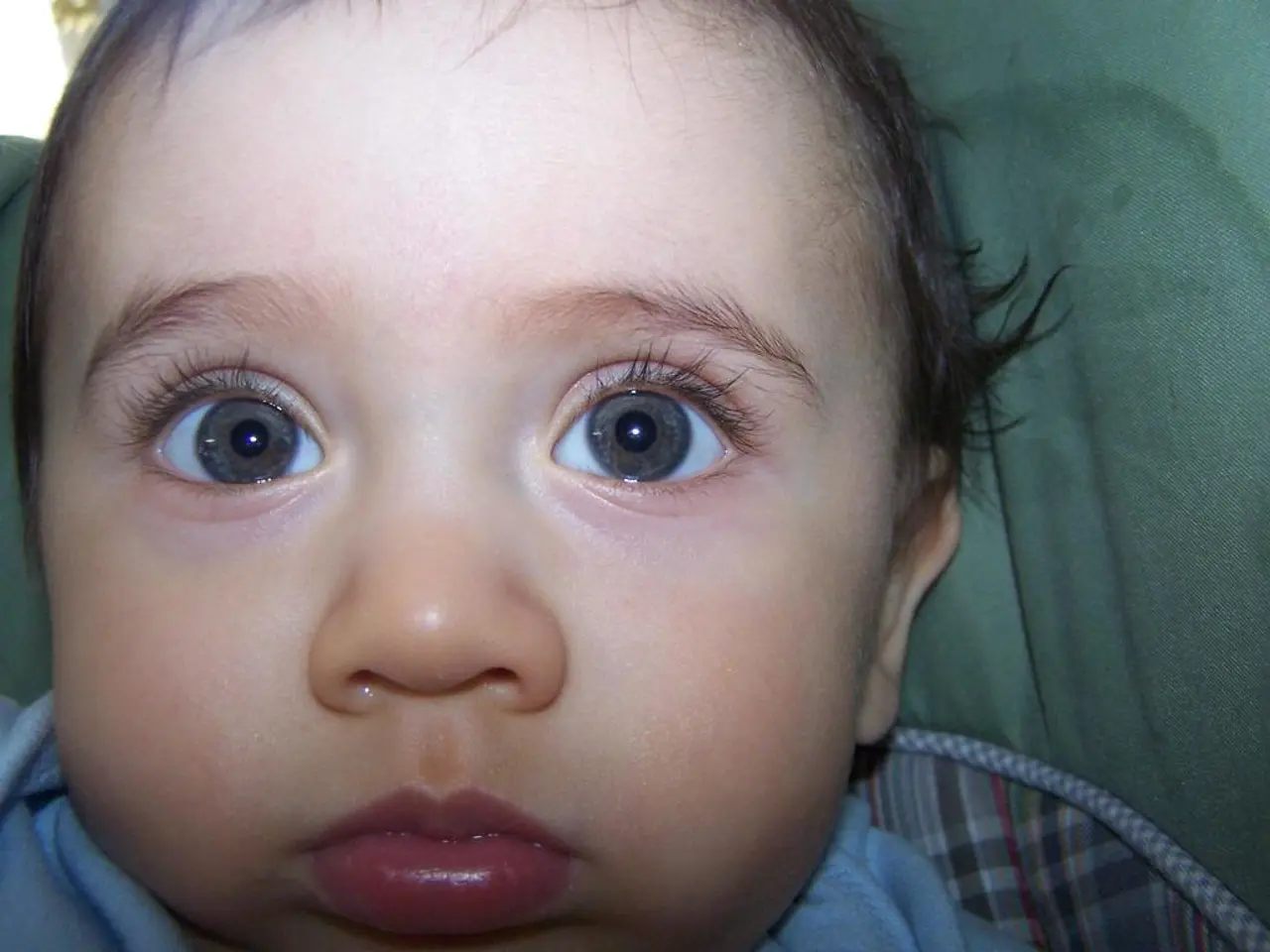
Child skin inflammation: Origin, indications, and cures for eczema in children
Eczema, a group of non-contagious skin conditions, is a common challenge for many children in the United States. Affecting approximately a quarter of all children, eczema can cause dry, itchy, inflamed, or rash-like skin [1]. This condition is particularly prevalent in African American and Asian American children, and Atopic Dermatitis, the type most commonly affecting children, is often the starting point for the progression of allergic conditions in infancy [2].
Eczema in infants typically appears on the scalp, face (particularly cheeks), and elbows and knees [3]. As children grow older, rashes may develop behind the knees, in the bends of elbow and wrist joints, on the scalp, and behind the ears [3]. Recognizing and avoiding common triggers can help manage eczema symptoms in children.
Dryness and heat can cause skin barrier disruption and itching, while allergens and irritants provoke immune responses that worsen inflammation [4]. Viral illnesses and teething often trigger flares in babies, and scratching damaged skin can lead to bacterial infections that worsen eczema [4]. Children with other allergies or a family history of atopic conditions are more susceptible [5].
Avoiding these triggers, along with appropriate skin care, is crucial. Caregivers should use emollient creams, avoid scratching, and steer clear of triggers such as harsh soaps, detergents, tobacco smoke, and chemicals [6]. Choosing unfragranced and "soap-free" washing products, avoiding extremes of temperature, soaking in lukewarm baths before applying medication and moisturizers, and using medicated topical creams, biologic medicines, or phototherapy in more severe cases are also recommended [6].
Diagnosis of eczema involves doctors asking about symptoms, family history of skin conditions, allergies, and asthma, the child's health, and the affected areas of skin [7]. In some cases, a skin biopsy may be performed. It's advisable to speak with a doctor if symptoms become more severe or if it is difficult to manage the condition at home, especially if eczema is beginning to impact a child's everyday life [8].
Living with eczema can negatively affect a person's mental health, and following treatment regimens, coordinating appointments, and communicating with insurance can create time and financial pressures for caregivers [9]. A 2020 study highlights that many caregivers experience sleep disturbance, exhaustion, worry, and social isolation relating to their child's atopic dermatitis [9]. Seeking support and advice for both emotional and physical well-being is crucial for caregivers.
Despite the challenges, it's important to remember that eczema is manageable. Researchers are unsure of the exact cause of pediatric eczema, but it may result from the "leakiness" of the skin barrier [5]. Factors that can contribute to the development of eczema in children include genetics, the immune system, and environmental factors [5].
Recognizing and managing eczema in children is a journey that requires patience, persistence, and support. By understanding the condition, its triggers, and the appropriate care, caregivers can help their children live more comfortably with eczema.
- Eczema, a common skin condition in children, can lead to allergies, especially Atopic Dermatitis, which often marks the beginning of other allergic conditions in infancy.
- In some severe cases of eczema, a skin biopsy may be performed for a definitive diagnosis, and caregivers may seek advice on both physical and emotional well-being.
- Caregivers can manage eczema symptoms in children by using emollient creams, avoiding triggers such as harsh soaps and chemicals, and following treatment regimens recommended by healthcare professionals.
- Pfizer, an entity in the health-and-wellness and skin-care industry, might develop solutions to help manage eczema in children, reducing the negative impact on their daily lives and providing caregivers with additional support.
- Eczema, while manageable, can create time and financial pressures for caregivers due to treatment regimens, appointments, and the need to coordinate with insurance. Advertisements for products that offer relief from eczema symptoms can prove beneficial in this regard.




