
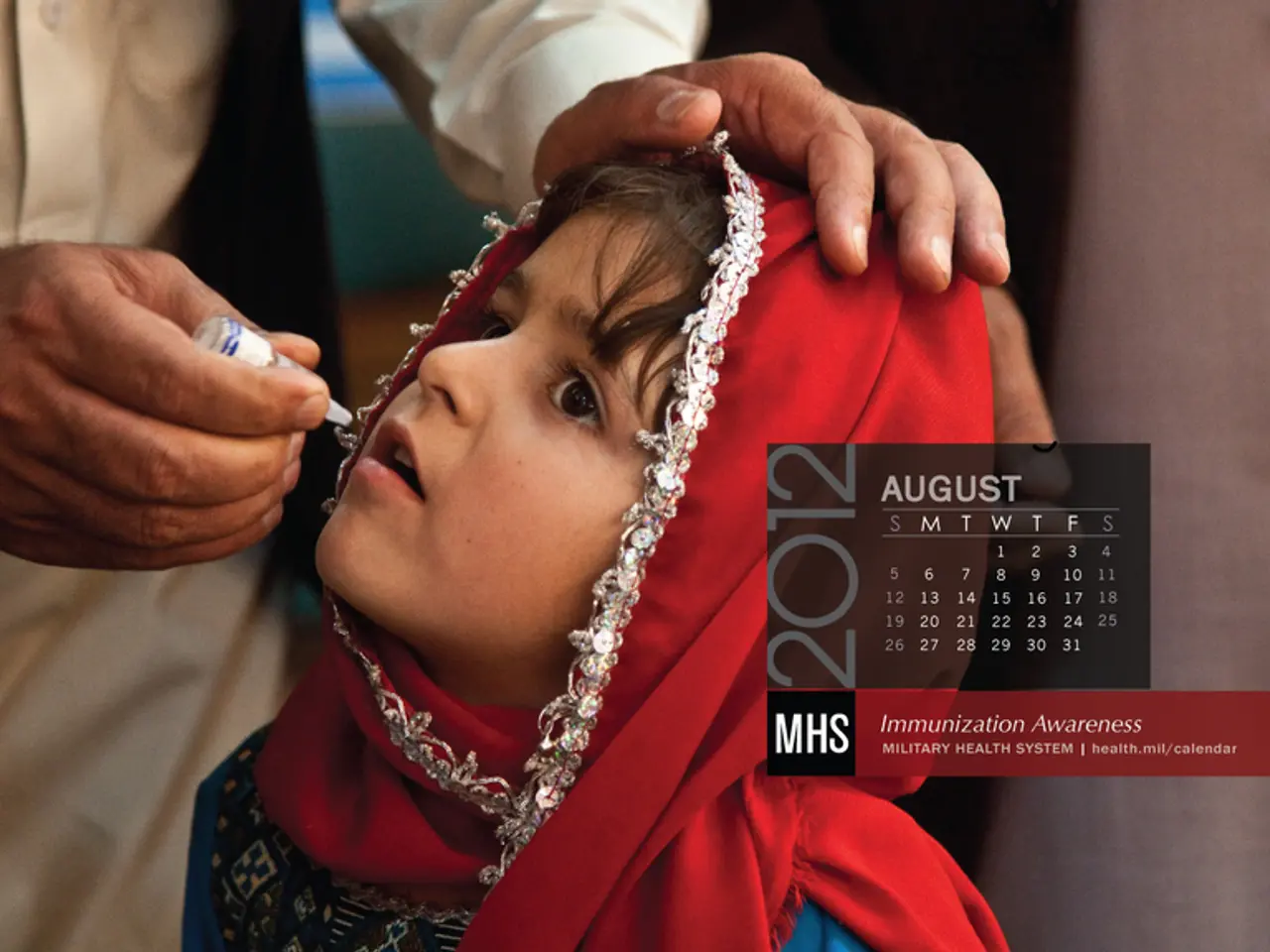
Children's Vaccination Details: An Overview of Shots Designed to Protect Youngsters from Prevalent Diseases
In the pursuit of maintaining the health and well-being of children, vaccinations play a pivotal role. These essential medical interventions protect young individuals from various infectious diseases, contributing to overall health, development, and a more fulfilling childhood.
Following a vaccination schedule is crucial for ensuring that children receive their vaccines at the appropriate ages. The typical vaccination timeline includes a series of vaccinations during infancy and early childhood, scheduled at various ages to ensure ongoing protection against diseases. Parents should consult their healthcare provider for a comprehensive children's vaccines schedule tailored to their child's needs.
Vaccination is one of the most effective ways to protect children from serious diseases, providing benefits such as disease prevention and herd immunity. Herd immunity occurs when a large percentage of a population becomes immune, either through vaccination or previous infections, making the spread of the disease less likely. This not only protects individual children but also the wider community.
Children's vaccines are designed to provide protection against common diseases like DTP, MMR, Polio Vaccine, Hepatitis B Vaccine, and Varicella (chickenpox) vaccine. While these vaccines are crucial, it's essential to remember that they are not without side effects. Common side effects, such as soreness at the injection site, tiredness, low-grade fever, fatigue, headache or achy joints/muscles, and chills, are generally mild and temporary. These side effects typically last for a short period, usually not more than a day or two.
Serious side effects are very rare. For example, febrile convulsions (fits due to fever) can occur but are more common in children who contract the diseases the vaccines prevent than in those who receive the vaccines. Healthcare providers monitor for these rare events and provide guidance on managing them.
Vaccines provide a way to build immunity without exposing children to the risks associated with the diseases themselves, as natural immunity often comes at a high cost. In many countries, children's vaccines are part of public health initiatives aimed at eradicating preventable diseases.
Vaccines can save families and healthcare systems money in the long run by reducing the need for medical treatments, hospitalizations, and long-term care associated with vaccine-preventable diseases. All children's vaccines undergo rigorous testing for safety and efficacy before they are approved for public use, and regulatory agencies, such as the CDC and WHO, continuously monitor vaccine safety.
Following the recommended children's vaccines schedule is vital for maintaining herd immunity and preventing epidemics. Parents should stay informed about any updates to vaccination schedules and recommendations to ensure their children are adequately protected. The benefits of children's vaccines far outweigh the risks, as most side effects are mild and temporary.
Science plays a significant role in the design and development of children's health-and-wellness interventions, such as vaccines, which protect young individuals from various infectious diseases. Following the recommended vaccination schedule is crucial for ensuring ongoing protection against diseases and maintaining herd immunity, contributing to a healthier and more fulfilling childhood.




