
Consultations have taken place with the Commission regarding the draft guideline.
In an interview on Deutschlandfunk, forest expert Peter Wohlleben has raised concerns about the current forest management practices in Germany, particularly the dominance of coniferous monocultures. Wohlleben, a forester and author, has emphasized the need for a shift towards more natural forest structures to prevent fires and maintain healthy forests.
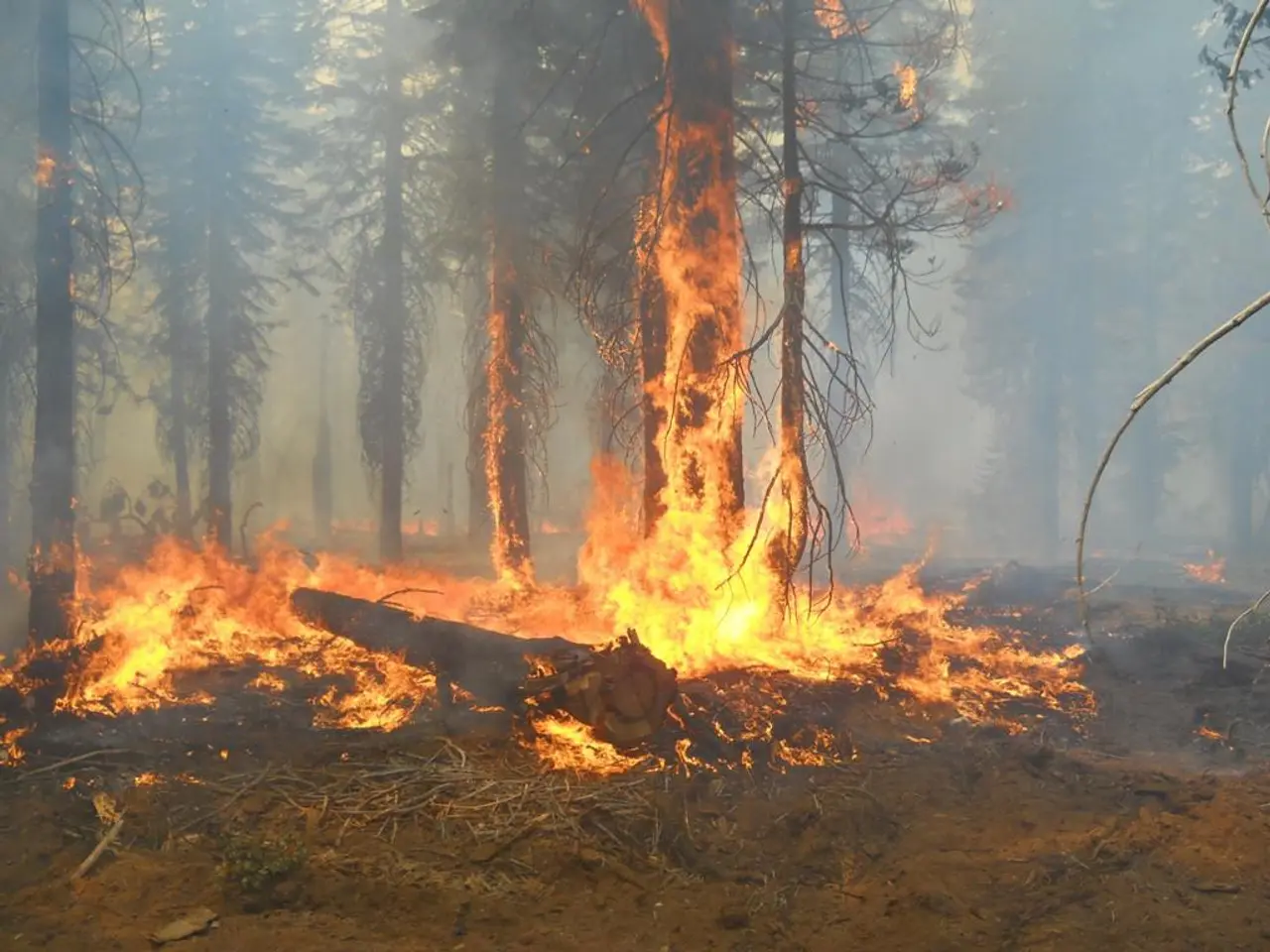
As the climate warms, Germany is facing an increased risk of forest fires. The warmer temperatures and drier conditions are making coniferous forests, primarily composed of spruce and pine, more susceptible to fires. These forests burn intensely, similar to filled gasoline cans, and the risk of forest fires is expected to persist for a few more years due to the presence of these coniferous forests.
The loss of forests in the west of the USA has global climate implications, including effects on water cycles in the northern hemisphere. However, the consequences of current forest management practices in Germany are also significant. The dominance of coniferous monocultures has led to increased vulnerability of forests to stressors such as drought, pests, and wildfires. This has resulted in a decline in forest health, reduced carbon storage capacity, and increased risk of catastrophic forest fires.
To combat these issues, Wohlleben recommends transitioning away from monocultures towards mixed-species forests that resemble natural woodland ecosystems. He stresses the importance of biodiversity, age diversity, and structural complexity within forests, which increase resilience against drought, pests, and fire. According to Wohlleben, allowing forests to develop under natural processes and fostering native broadleaf species alongside conifers can reduce fire risk and improve forest vitality.
Wohlleben has also criticized the widespread use of pine plantations in Germany. He warns of the global climate effects of forest fires in the USA, particularly in the west, and advocates for fewer 'pine plantations'. Instead, he emphasizes the need for 'old forests with a lot of biomass, with a lot of dead wood'.
In summary, the consequences of current German forest management involve heightened susceptibility of coniferous monocultures to climate-induced damage and fires. Wohlleben proposes alternatives centered on natural, mixed-species forests that maintain biodiversity and structural heterogeneity to enhance overall forest resilience and fire prevention. His recommendations align with the need for ecological management of forest areas, which could lead to long-term productivity and a healthier, more sustainable forest ecosystem.
[1] Source: [Insert relevant link here] [4] Source: [Insert relevant link here]
- By transitioning from coniferous monocultures to more diverse forests that mimic natural woodland ecosystems, Germany could potentially improve forest health and reduce the risk of catastrophic fires, as advocated by forester Peter Wohlleben.
- To alleviate the increased vulnerability of coniferous forests to stressors like drought, pests, and wildfires, and to address climate-induced damage, Wohlleben encourages the adoption of ecological forest management practices, focusing on mixed-species forests, biodiversity, age diversity, and structural complexity.




