
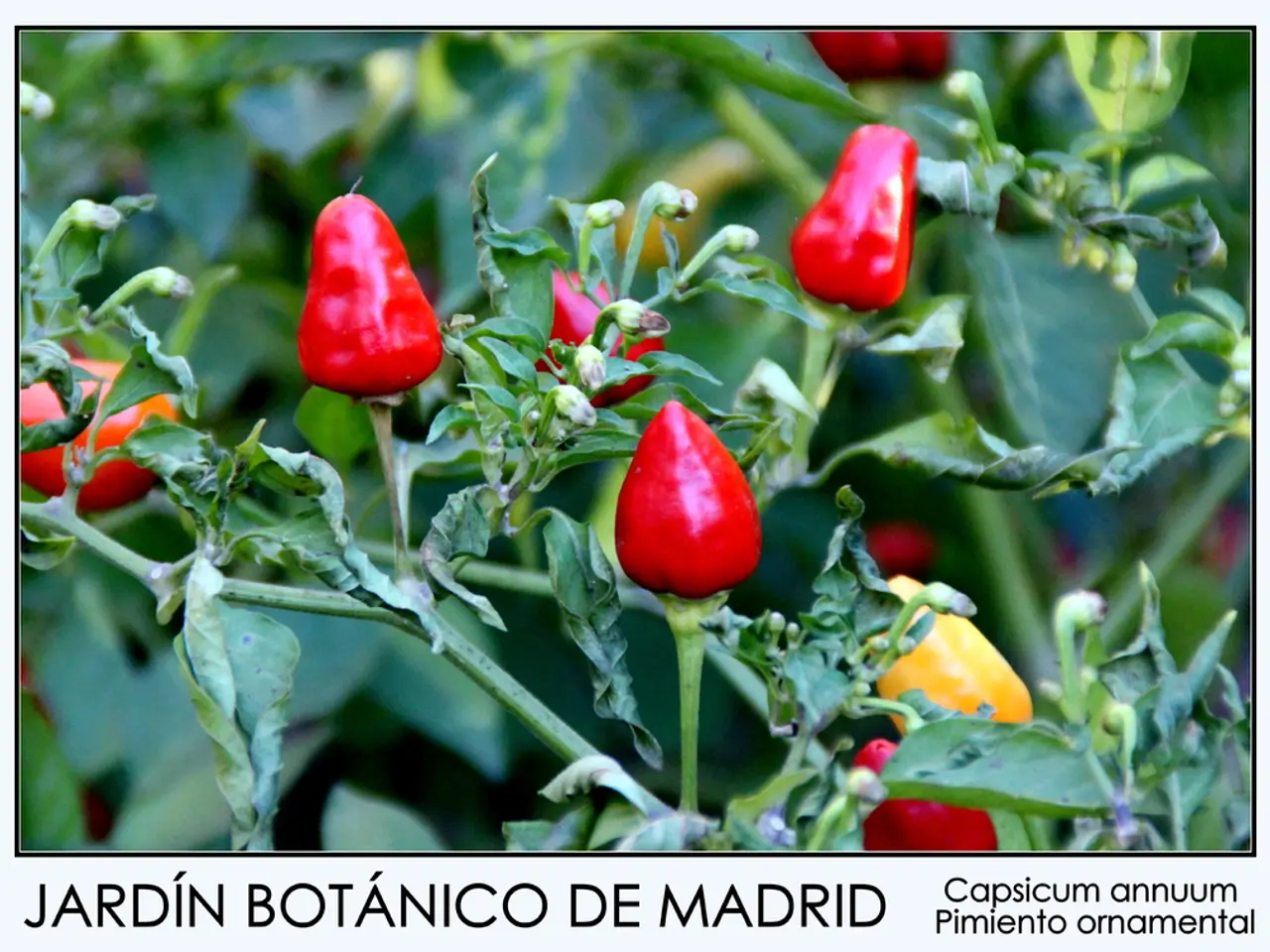
Consuming Peppercorns Offers Health Benefits
Edible Bell Pepper Seeds: A Lesser-Known Nutritional Gem
Bell pepper seeds, often discarded due to their bitter taste and firm texture, may hold a hidden treasure trove of nutrients. Although the flesh of the bell pepper is more commonly highlighted for its nutritional benefits, these seeds are not without their merits.
Most nutritional data and research on bell peppers focus on the flesh, which is rich in vitamins (especially vitamin C and A), antioxidants, and minerals. The flesh provides substantial health benefits such as immune support, skin health, eye benefits, aiding digestion, and potential disease prevention.
However, bell pepper seeds are edible and may offer minor nutritional value, primarily as fiber. They also contain trace amounts of other nutrients, such as carotenoids and polyphenols, which have antioxidant, antimicrobial, anti-inflammatory, antidiabetic, and anticancer effects.
Despite their potential benefits, it's important to note that the seeds of hotter pepper varieties, like pepperoni, chili, and Spanish pepper, should be handled with caution. These seeds contain the substance capsaicin, which can cause irritation in the mouth and digestive tract. It is advisable not to consume or to consume only very small amounts of the seeds of hotter pepper varieties.
Bell pepper seeds are generally harmless and can be safely consumed. In fact, they are beneficial to health in ways beyond promoting digestion. For instance, they contain unsaturated fatty acids that can positively influence fat metabolism when processed or ground.
Hannah Zeyssig, a nutrition expert at the North Rhine-Westphalia Consumer Center, appreciates the weight-controlling property of bell pepper seeds. The North Rhine-Westphalia Consumer Center also advises that bell pepper seeds can be consumed.
So, the next time you're enjoying a bell pepper, consider giving the seeds a try. They might just add an extra boost of fiber and nutrients to your meal.
- Bell pepper seeds, although often overlooked, may contain fiber and trace amounts of carotenoids and polyphenols, providing antioxidant, antimicrobial, and anti-inflammatory benefits.
- Hannah Zeyssig, a nutrition expert at the North Rhine-Westphalia Consumer Center, recognizes the weight-controlling property of bell pepper seeds.
- Including bell pepper seeds in your diet may contribute to a healthier lifestyle, enhancing your food-and-drink choices and supporting various aspects of health-and-wellness, including nutrient intake, digestion, and weight management.




