
Differences Between Eastern and Western Yoga Practices: An Overview
Yoga, a practice that originated over 5,000 years ago in ancient India, has undergone a remarkable transformation in the Western world. Originally a comprehensive philosophical and spiritual discipline, yoga has evolved into a popular fitness trend with a focus on physical fitness, stress relief, and mental wellness.
Ancient Roots of Yoga
The Indus-Sarasvati civilization marked the birth of yoga, with archaeological evidence showing yogi-like figures in meditative postures [1][3][5]. This early form of yoga was deeply tied to spiritual and ritualistic practices derived from Vedic texts like the Rig Veda and Atharvaveda. Yoga focused on unity with the divine, meditation, breath control (Pranayama), and ethical disciplines [1][2][3].
The evolution of traditional yoga can be divided into key historical stages:
- Pre-Vedic and Vedic periods (3300–500 BCE): Yoga was embodied in ritual sacrifice, ascetic practices, and hymns in the Vedas. The early texts mention physical postures, meditation, and breath regulation. The Vedic Rishis (sages) and Brahmans systematized these practices aimed at spiritual awakening and self-realization [1][3].
- Pre-Classical and Classical periods (500 BCE–500 CE): The Upanishads and Bhagavad Gita further developed philosophical ideas and introduced distinct paths of yoga, including Karma (action), Bhakti (devotion), and Jnana (knowledge) yoga. Patanjali’s Yoga Sutras codified the eight limbs of yoga, emphasizing moral discipline, breath control, concentration, and meditation as means for liberation (moksha) [1][3][5].
- Post-Classical and Modern developments: Traditional yoga retained its spiritual and philosophical roots, practiced mainly within Indian religious and ascetic contexts. In the late 19th century, figures like Swami Vivekananda introduced yoga to the West, initially emphasizing its spiritual and philosophical dimensions [5].
Modern Western Interpretations of Yoga
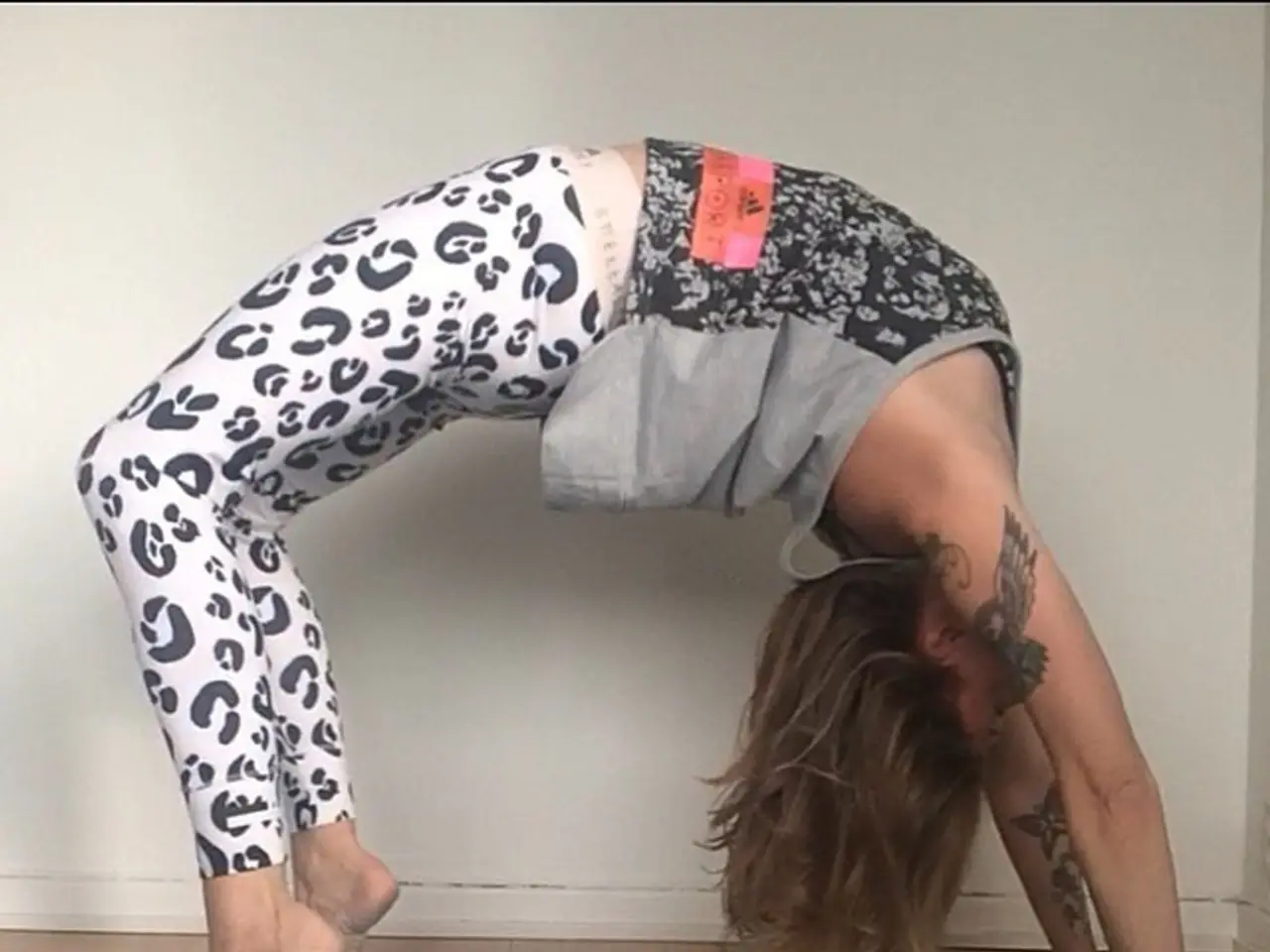
In the early 1900s, yoga began to take on a different identity in the Western world, shifting into a fitness trend with a focus on muscle tone, flexibility, and stress reduction. Yoga can meet people wherever they are, and doesn't have to be either ancient or modern, spiritual or physical, but can be both [2][5].
However, the modern Western approach often emphasizes physical postures (asanas) and fitness benefits rather than its holistic spiritual philosophy. This transition began in the 20th century, as yogic postures were adapted into exercise routines and wellness practices, somewhat detached from their original meditative and ethical framework [2][5].
Bridging the Gap: Ancient Wisdom and Modern Practice
As the Western world becomes increasingly curious about the philosophy, breathing practices, and meditative layers of yoga, it's important to carry awareness into whatever form of yoga one chooses. Rather than dividing it into East or West, old or new, let it work gently, slowly, and in the direction of truth [3].
Instead of asking which version of yoga is better, it's more useful to ask what one is looking for in their practice, whether it's quieting something inside or improving something outside. Yoga was never meant to look the same for everyone, and different cultures have shaped it in different ways over time [3].
In summary, ancient Indian yoga was a comprehensive philosophical and spiritual discipline, whereas the modern Western approach largely focuses on physical and mental health benefits, often independent of original religious or metaphysical goals [1][2][3][5].
References:
[1] White, J. (2009). The Yoga Sutras of Patanjali. Shambhala Publications.
[2] Feuerstein, G. (2008). The Shambhala Guide to Yoga. Shambhala Publications.
[3] Miller, J. (2018). The Yoga Tradition: Its History, Literature, Philosophy, and Practice. Routledge.
[4] Iyengar, B. K. S. (2018). Light on Yoga. DK.
[5] De Michelis, D. (2004). Yoga: The Architecture of Consciousness. Columbia University Press.
- The evolution of yoga, from its roots in ancient spiritual and philosophical practices, to its contemporary focus on fitness and health-and-wellness, serves as a testament to the adaptability of this ancient discipline within the context of various cultures and times.
- Although Westernized yoga often emphasizes physical postures for fitness purposes, it's essential to recognize the rich science behind yoga philosophy, as ancient Eastern wisdom continues to offer valuable insights into health-and-wellness and human mindfulness.




