Emerging Directions of Artificial Intelligence in the Medical Field
In the realm of healthcare, Artificial Intelligence (AI) is making a significant impact. This revolutionary technology is not only enhancing the efficiency of administrative duties but also revolutionising the diagnosis and treatment of various health conditions.
AI-driven digital mental health tools are at the forefront of this transformation. These tools assess user interactions and behavioural patterns to identify early warning signs of potential mental health issues. They provide cognitive behavioural therapy, track mood fluctuations over time, and offer immediate crisis intervention when needed, making mental health support more accessible to a wider population.
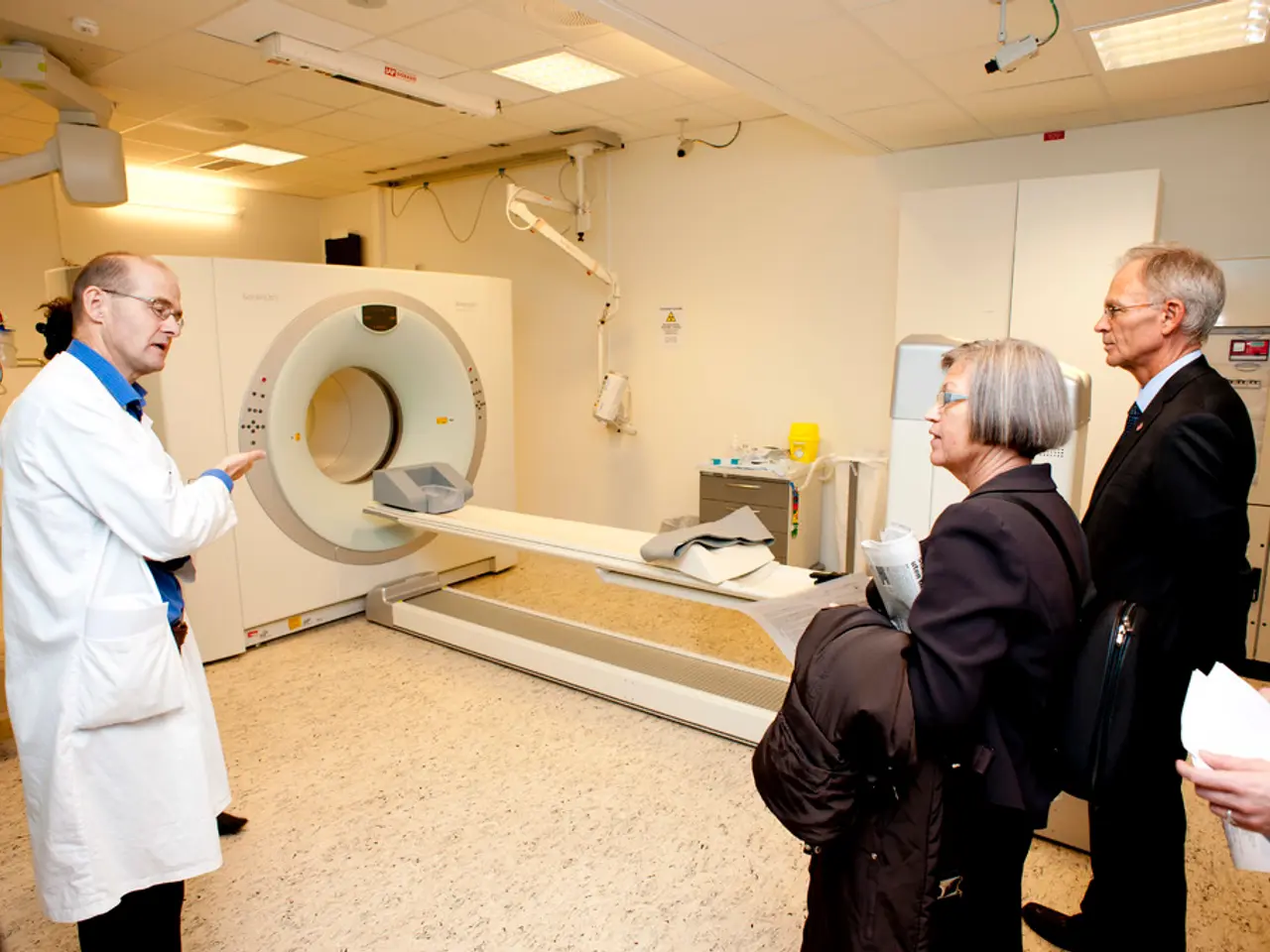
One of the most promising applications of AI in healthcare is in the field of medical imaging. AI is revolutionising this sector by enhancing the accuracy and speed of image analysis. Machine learning algorithms can detect subtle changes in imaging studies, aiding in early diagnosis of conditions like cancer. AI can also analyse mammograms to identify potential malignancies that may be overlooked by the human eye, leading to earlier treatment and better patient outcomes.
The pharmaceutical industry is also integrating AI to speed up drug discovery. By examining extensive biological data, AI can anticipate how various compounds interact with targets, allowing scientists to pinpoint effective drug candidates more swiftly. This advanced capability significantly reduces the time required for drug development, minimises research costs, and ultimately expedites the availability of new treatments for patients in need.
Non-banking Financial Companies (NBFCs) are adapting their investment strategies to meet the increasing demand for AI-driven healthcare advancements. Institutional investors are backing AI-enabled digital health startups, such as Avant, which is evaluating the acquisition of Ainnova Tech. Additionally, firms like CitiusTech, Savana, and Tribe AI provide AI consulting and development services to healthcare entities, reflecting strategic investments in AI healthcare infrastructure.
The Reserve Bank of India has eased lending norms, allowing NBFCs to provide better financial backing for AI adoption in medical technology and platforms. This move is expected to accelerate the integration of AI in healthcare, making advanced technologies more accessible to medical professionals.
Online marketplaces are acting as a central hub, expediting the adoption of advanced AI technologies in everyday healthcare. These platforms provide medical professionals with access to a broad range of AI tools and services, transforming the distribution of AI-driven healthcare solutions.
AI is also being used to automate routine administrative duties, including appointment scheduling, billing, and documentation. This automation not only increases efficiency but also reduces the chances of errors, ensuring smoother operations in healthcare facilities. AI can also manage bookings and send reminders, ensuring fewer missed appointments.
In conclusion, AI is transforming the healthcare sector in numerous ways, from early disease detection to personalised treatment recommendations and automated administrative tasks. The integration of AI is expected to continue, leading to improved patient outcomes and more efficient healthcare services.
Read also:
- Trump's SNAP reductions and New York City Council's grocery delivery legislation: Problems for city residents highlighted
- Reducing dental expenses for elderlies in Sweden: Over 50% cut in charges for pensioners by the government
- Forty-year-old diet: A list of meal choices to savor
- Exiled Life's Conundrum: A Blend of Liberation, Disillusionment, and Distress