Professionals on Suicide Prevention: 'We've Got the Potential to Avert Multiple Suicides!' - Expert advocates for implementing measures to decrease suicide rates: 'Preventing numerous suicide cases is within our reach!'
Suicide Prevention Strategies Highlighted by Podcast Experts
In a series of enlightening podcast discussions, experts have put forth several effective methods for suicide prevention, emphasizing insights from research, personal experiences, and public health initiatives.
Addressing the Issue Early
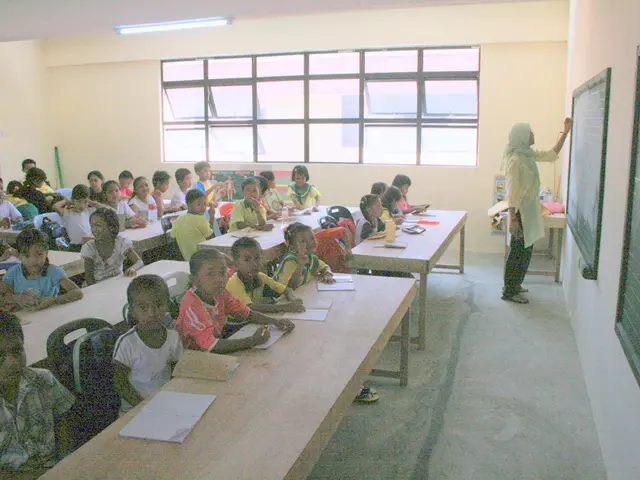
Prominent voices in the field advocate for interventions that focus on early childhood education, such as the Good Behavior Game. This program educates children on emotional regulation and social skills from a young age, potentially reducing risk factors and improving long-term mental health outcomes as they foster resilience and positive peer interactions [2].
A broader public health approach is also cited as crucial, addressing risk factors within communities, rather than merely focusing on individuals in crisis [2].
Lived Experience: A Powerful Ally
Incorporating the perspectives of individuals who have survived suicidal thoughts, attempted suicide, or lost loved ones to suicide is considered essential. Their unique insights help shape more empathetic and effective policies and support systems [2, 4, 5].
Survivors and advocates like Susie Reece and Keir McKechnie use their stories to break stigma, inspire hope, and inform practical prevention strategies [5, 2].
Trauma-Informed and Culturally Sensitive Approaches
Experts stress the importance of culturally sensitive interventions, especially in communities impacted by generational trauma. They recognize the significance of addressing the unique context and healing practices of each group [2].
Stories of trauma and recovery can serve as powerful motivators, influencing public policy and shifting trends away from perpetuating cycles of suffering [5].
Open Dialogue and Stigma Reduction
Podcasts underscore the importance of candid, empathetic dialogue about suicide and mental health, believing that such conversations can help reduce stigma, encouraging individuals to seekhelp before reaching crisis points [3, 1].
Support for grieving individuals after a loss by suicide is essential, providing guidance on processing grief and finding meaning and hope following tragedies [3].
Practical Interventions
Techniques such as motivational interviewing are spotlighted for their ability to help individuals overcome resistance in therapy, making meaningful changes in their lives [5].
Providing clear and accessible crisis resources, such as hotlines and community-based services, is consistently recommended as a practical step in prevention [3].
A comprehensive approach to suicide prevention emerges, balancing individual support with systemic change and community engagement.
Employment policies within communities and workplaces should be crafted to promote mental health awareness and provide resources for employees facing mental health challenges, as part of a holistic approach to suicide prevention (science, mental-health).
In line with their emphasis on early interventions, community policy makers are encouraged to integrate health-and-wellness programs into schools, focusing on emotional regulation, social skills, and resilience building for young students (addressing the issue early).