
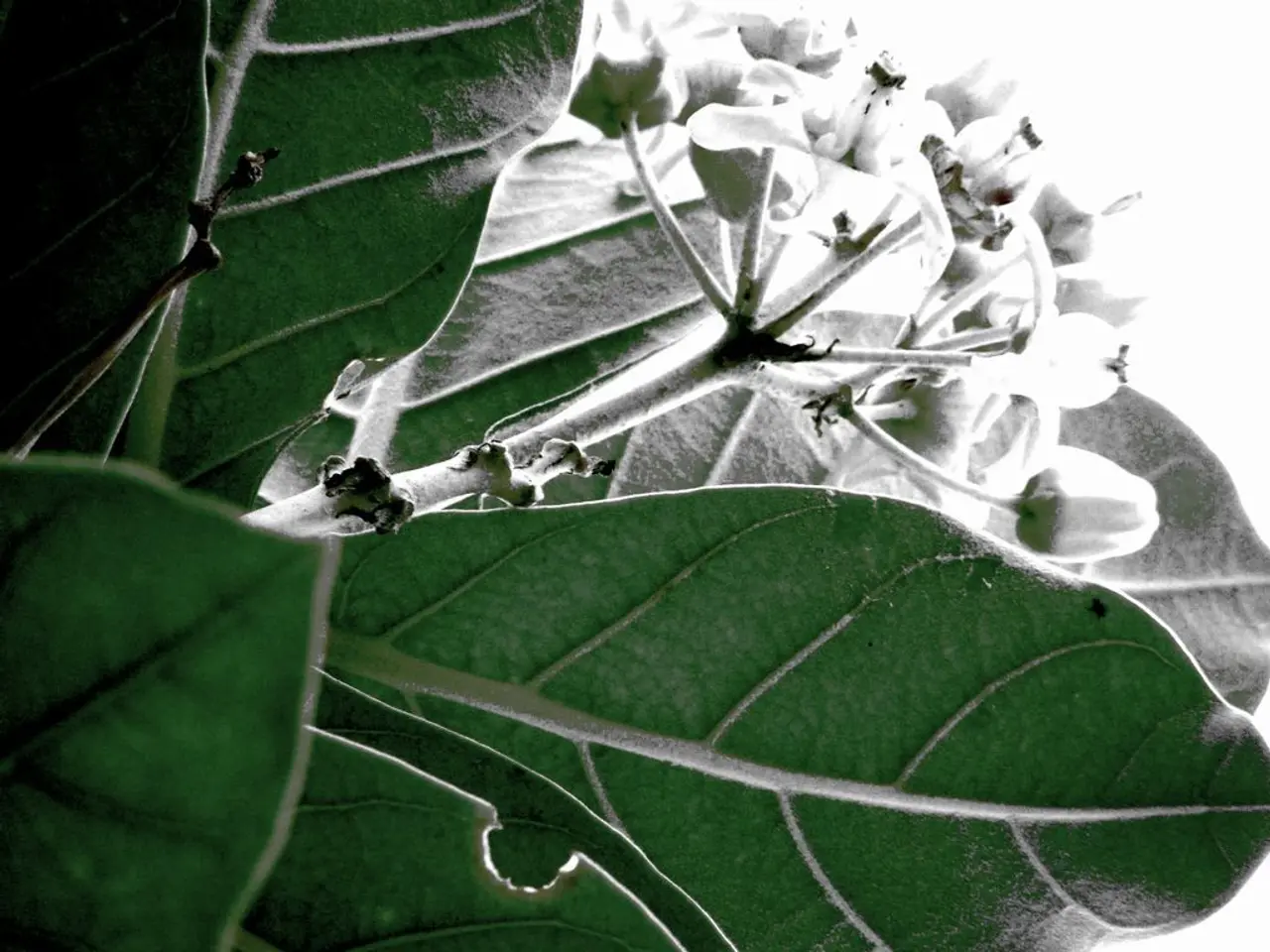
Exploring Holy Basil: Its Advantages, Disadvantages, and Additional Facts
Holy basil, also known as Ocimum tenuiflorum or tulsi, is a plant with a rich history in traditional medicine and a promising future in modern health practices. This herb, revered in many cultures for its spiritual and medicinal properties, offers several potential health benefits.
While holy basil can be found in various forms, such as Rama (green leaves), Krishna (purple leaves), and Vana (dark green leaves), it's important to approach its use with caution, especially when considering it for health purposes. The Food and Drug Administration (FDA) does not regulate supplements in the same way as pharmaceutical drugs, so it's crucial to seek medical advice before taking any dietary supplement, including holy basil.
Holy basil may enhance mental focus and cognitive clarity, act as an adaptogen to reduce stress and anxiety, modulate immune function, support respiratory health, and potentially provide anticancer and anti-inflammatory effects. However, it's essential to note that no high-quality studies have demonstrated that holy basil is effective in treating any health condition.
People should be cautious when using holy basil for health purposes and avoid combining it with pharmaceutical medications without first checking with a healthcare professional. Holy basil may interact with certain medications, such as thyroid hormone drugs, anticoagulation drugs, and barbiturates, potentially decreasing their efficacy or increasing the risk of side effects.
A review from 2020 suggested that taking excessive amounts of holy basil may cause adverse effects, such as affecting fetal development during pregnancy, affecting the menstrual cycle, reducing blood sugar to dangerously low levels (particularly for people with diabetes), reducing the function of the male reproductive glands, and causing nausea, diarrhea, a rapid heartbeat, and liver damage.
Proper consumption for health purposes typically involves moderate intake of dried leaves, teas, or standardized extracts rather than high doses of essential oils. The essential oil contains estragole, a compound shown to cause cancer in rodents at large doses, hence its concentrated forms should be used cautiously. Basil pesto and essential oils should be consumed moderately, particularly by individuals with breast cancer due to components like copper and estragole, which might influence disease progression.
For health purposes, holy basil can be consumed as fresh or dried leaves brewed as tea, standardized supplement extracts, or added in moderate amounts as a culinary herb. Concentrated oils or supplements should be used with caution, limited to short-term use, and avoided in high doses until more safety data is available.
In summary, holy basil offers a range of potential health benefits mainly via teas and extracts, with low incidence of side effects and notable risks related to concentrated essential oils or large doses. Proper, moderate consumption aligned with traditional herbal use and current clinical guidelines is recommended for health support. Always consult a healthcare provider before starting supplementation, especially if pregnant, breastfeeding, or taking medications.
- The field of science continues to explore the potential health benefits of holy basil, such as its possible role in enhancing mental focus, acting as an adaptogen, modulating immune function, supporting respiratory health, and potentially providing anticancer and anti-inflammatory effects, often in the form of supplements and herbal teas that fall under health-and-wellness nutritional supplements.
- When considering holy basil supplements for health purposes, it's crucial to maintain a balanced approach, adhering to proper dosage guidance, and seeking medical advice before use, given the Food and Drug Administration does not regulate supplements in the same manner as pharmaceutical drugs, and potential interactions with certain medications could occur, affecting health outcomes and increasing the risk of side effects.




