
Exploring the Nature of COVID-19
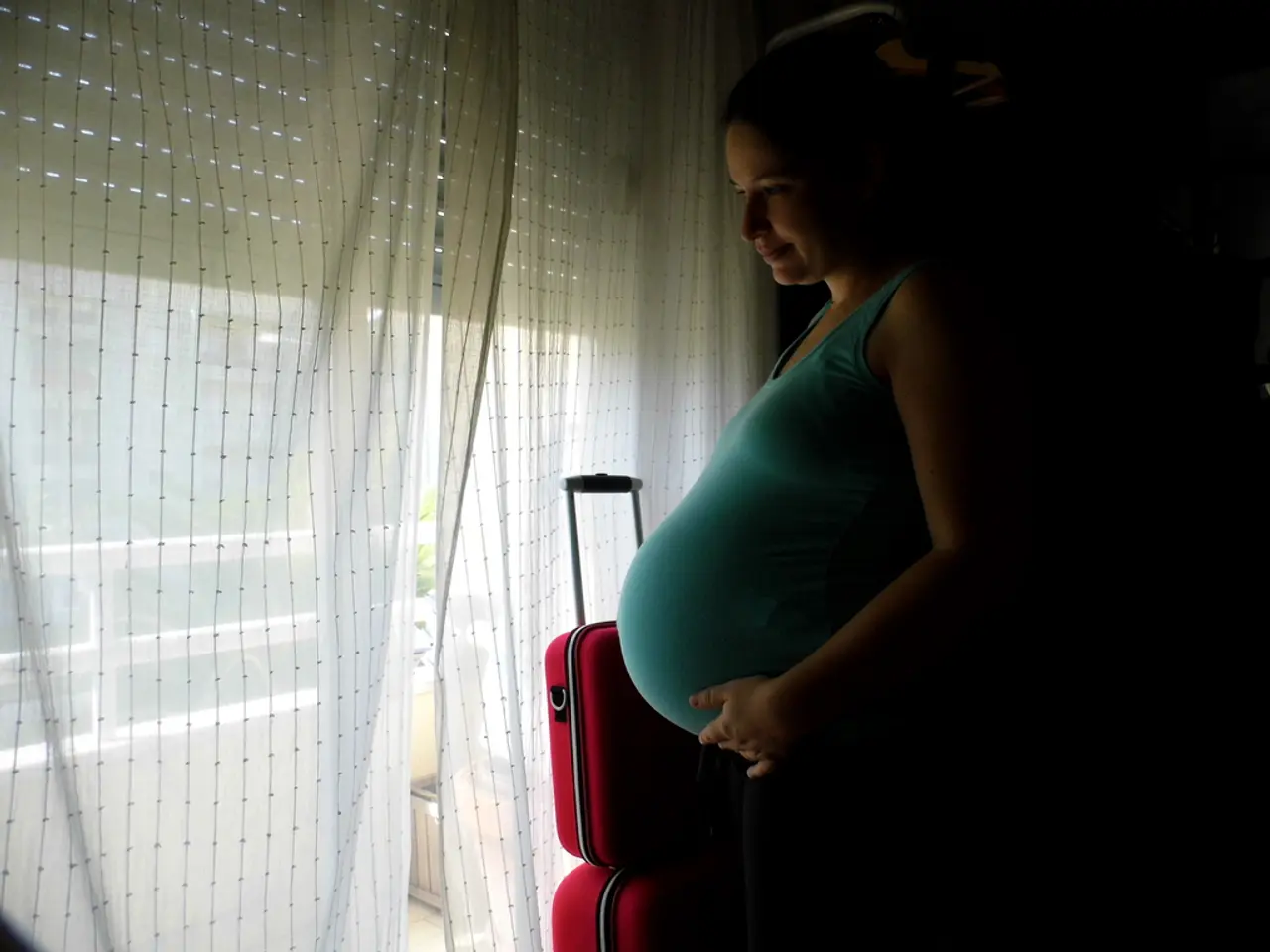
Pregnancy can be a vulnerable time for women, and the ongoing COVID-19 pandemic has added an extra layer of concern. Studies continue to monitor the effects of vaccines on pregnant individuals and their babies, but it's clear that COVID-19 poses significant health risks during pregnancy.
Pregnant people with COVID-19 have a two-fold higher chance of ICU admission and a 70% increased risk of death compared with non-pregnant people. They are at higher risk of severe COVID-19, especially with variants like Delta. Symptoms may not always be more severe, but pregnancy increases vulnerability to complications such as preeclampsia, coagulopathy, and heart failure.
Infants born to COVID-positive mothers have increased risks of health problems, including respiratory issues and preterm delivery (before 37 weeks). Other adverse outcomes can include stillbirth, low birth weight, and fetal distress. However, vaccinated mothers can pass antibodies to their newborns, which protect them for at least the first 6 months.
COVID-19 vaccines (Pfizer, Moderna, Novavax) do not contain live virus and cannot infect the pregnant person or fetus. Vaccination reduces the risk of severe illness and adverse pregnancy outcomes and is considered safe during pregnancy and breastfeeding. Pregnant people are encouraged to discuss vaccination with their healthcare providers.
Pregnant individuals should maintain preventive measures against infection due to their increased susceptibility. Careful monitoring during pregnancy is important for any COVID-19 infection to manage potential complications for both mother and child.
Monitoring the baby's health is crucial for new parents. If a newborn shows any signs of illness, such as fever or difficulty breathing, it is essential to seek medical attention promptly.
The most common symptoms of COVID-19 include fever or chills, cough, shortness of breath or difficulty breathing, fatigue, muscle or body aches, headache, new loss of taste or smell, sore throat, congestion or runny nose, nausea or vomiting, and diarrhea.
During the postpartum period, new mothers should stay connected, seek professional help if feelings of sadness or anxiety persist, and practice self-care. After giving birth, women may experience a range of physical changes, and the postpartum period can be complicated by the effects of COVID-19, particularly for those who contracted the virus during pregnancy.
Maintaining open communication with healthcare providers can provide reassurance and guidance during this uncertain time. Vaccines have been shown to be safe and effective during pregnancy, providing protection to the mother and potential immunity to the newborn through breast milk.
In light of these risks, health authorities recommend that pregnant individuals get vaccinated to reduce the risk of severe illness. Each vaccine has its own efficacy and safety data, so it's essential to consult with a healthcare provider to determine the best option based on individual health circumstances.
[1] Centers for Disease Control and Prevention. (2021). COVID-19 and Pregnancy. Retrieved from https://www.cdc.gov/coronavirus/2019-ncov/need-extra-precautions/pregnancy-complications.html
[2] World Health Organization. (2021). COVID-19 Vaccines: Pregnancy. Retrieved from https://www.who.int/emergencies/diseases/novel-coronavirus-2019/advice-for-pregnant-women
[3] American College of Obstetricians and Gynecologists. (2021). COVID-19 Vaccines and Pregnancy. Retrieved from https://www.acog.org/womens-health/covid19/covid-19-vaccines-and-pregnancy
[4] Society for Maternal-Fetal Medicine. (2021). COVID-19 Vaccination During Pregnancy. Retrieved from https://www.smfm.org/About-SMFM/In-the-News/COVID-19-Vaccination-During-Pregnancy
[5] National Institute of Child Health and Human Development. (2021). COVID-19 and Pregnancy. Retrieved from https://www.nichd.nih.gov/health/topics/covid-19/conditioninfo/pregnancy
- In light of the increased risks during pregnancy, health authorities recommend that pregnant individuals follow the guidance from reliable sources such as the Centers for Disease Control (CDC), World Health Organization (WHO), American College of Obstetricians and Gynecologists (ACOG), Society for Maternal-Fetal Medicine (SMFM), and National Institute of Child Health and Human Development (NICHD) to reduce the risk of severe COVID-19 illness.
- Regular health monitoring and discussions with healthcare providers play a crucial role in women's health and wellness, especially during pregnancy. It is essential to ensure vaccines like Pfizer, Moderna, Novavax are safe, and vaccination can help protect both the mother and newborn from COVID-19, reducing potential complications and adverse outcomes.




