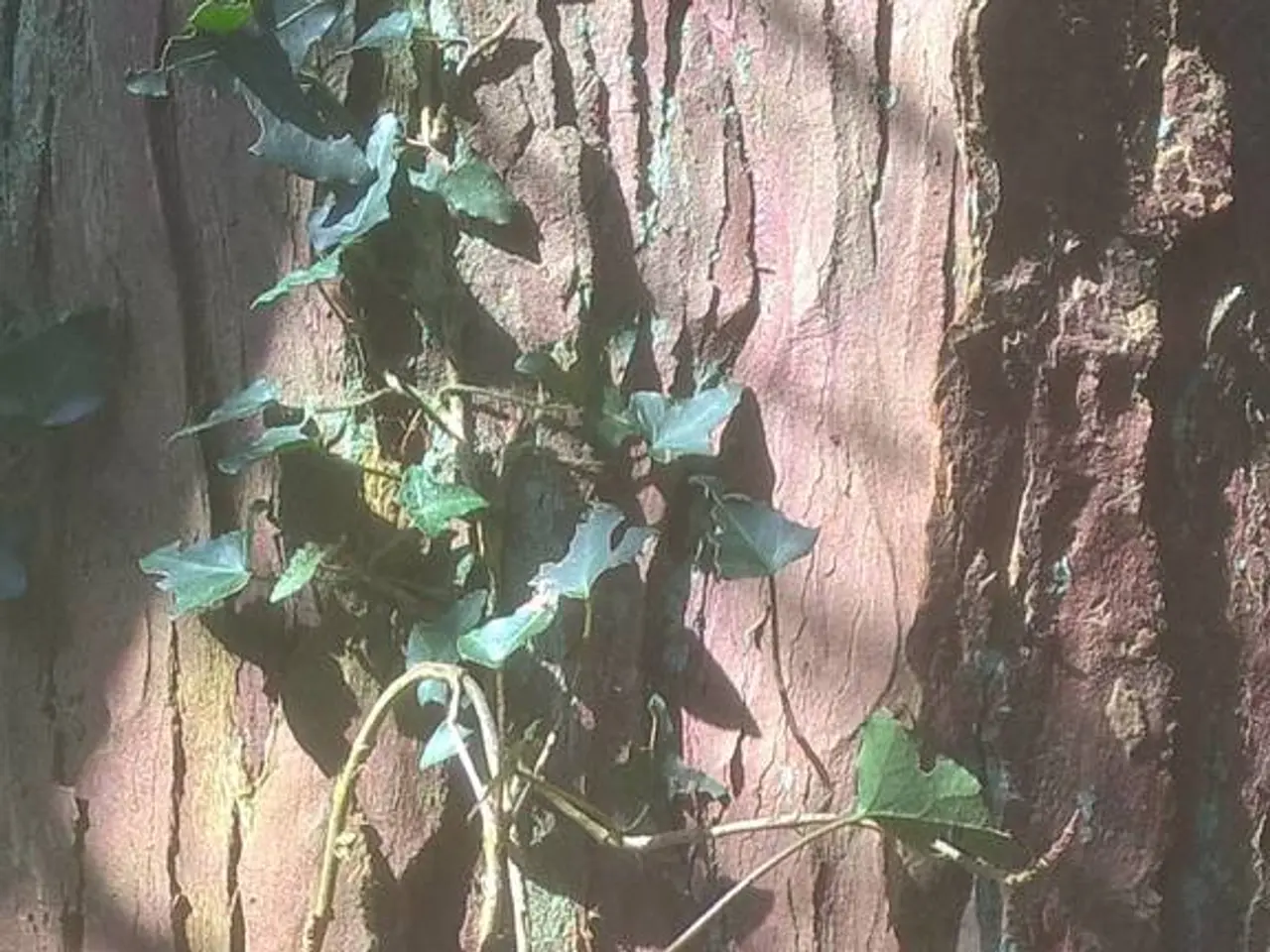
Extraction and Utilization of Slippery Elm Bark for Various Purposes
The Slippery Elm tree, known scientifically as Ulmus rubra, is native to much of the Eastern and Central United States. This versatile tree has been a staple in native American pharmacopeia for centuries, and its medicinal properties are now being incorporated into a home herbal practice.
Slippery Elm bark is renowned for its soothing effects on sensitive stomachs. It's often sold as a herbal supplement and used to treat conditions such as constipation, diarrhea, gastric reflux, sore throat, and stomach pain. Slippery Elm bark tea is a popular choice, while powdered slippery elm bark is used to soothe wounds and burns.
When it comes to harvesting this medicinal tree, a few techniques are employed. For those trees that have already been cut, a draw knife is used to scrape off the outer bark before the inner bark can be harvested. A more traditional method involves rolling up a strip of the outer bark and letting it fall off.
It's best to harvest slippery elm bark from low branches or coppicing stumps from fallen trees. This not only ensures a sustainable practice but also allows the tree to regenerate. However, it's important to note that wild elm populations are in decline due to exotic elm tree diseases and unsustainable harvesting.
The inner bark of Slippery Elm contains a substance called mucilage, which can help with mucous membrane issues. This makes it particularly effective in treating conditions such as cough and sore throat. Slippery elm bark lozenges, made by mixing the powdered bark with honey and water, are a popular remedy for soothing sore throats.
Slippery elm bark gruel, a comforting concoction for the elderly and ill, is also said to help with broken bone healing. While more research is needed to confirm this, it underscores the potential of this versatile tree.
The Slippery Elm tree naturally grows in the Eastern and Central United States, particularly in the Midwest and along the Mississippi River Valley. However, these trees are threatened by Dutch Elm Disease, which causes early leaf loss and can kill the trees. It's crucial to practice sustainable harvesting to help preserve this valuable resource.
In conclusion, Slippery Elm is a tree with a rich history of medicinal use and a promising future in home herbal practices. With careful harvesting and respect for the natural environment, we can continue to benefit from this versatile tree.
Read also:
- Trump's SNAP reductions and New York City Council's grocery delivery legislation: Problems for city residents highlighted
- Reducing dental expenses for elderlies in Sweden: Over 50% cut in charges for pensioners by the government
- Forty-year-old diet: A list of meal choices to savor
- Exiled Life's Conundrum: A Blend of Liberation, Disillusionment, and Distress