Fighting Cancer through Dietary Options
A balanced diet rich in plant-based whole foods is the first line of defence in the fight against cancer, according to the World Health Organization. The organization recommends consuming a variety of plant-based foods daily, including whole grains, legumes, and an abundance of fruits and vegetables.
A minimum intake of 400 grams of fruits and vegetables per day is advised to reduce the risk of cancer and other non-communicable diseases. These whole foods are rich in antioxidants and phytochemicals that protect cells and inhibit tumour growth. They should form part of a balanced diet to help lower cancer risk effectively.
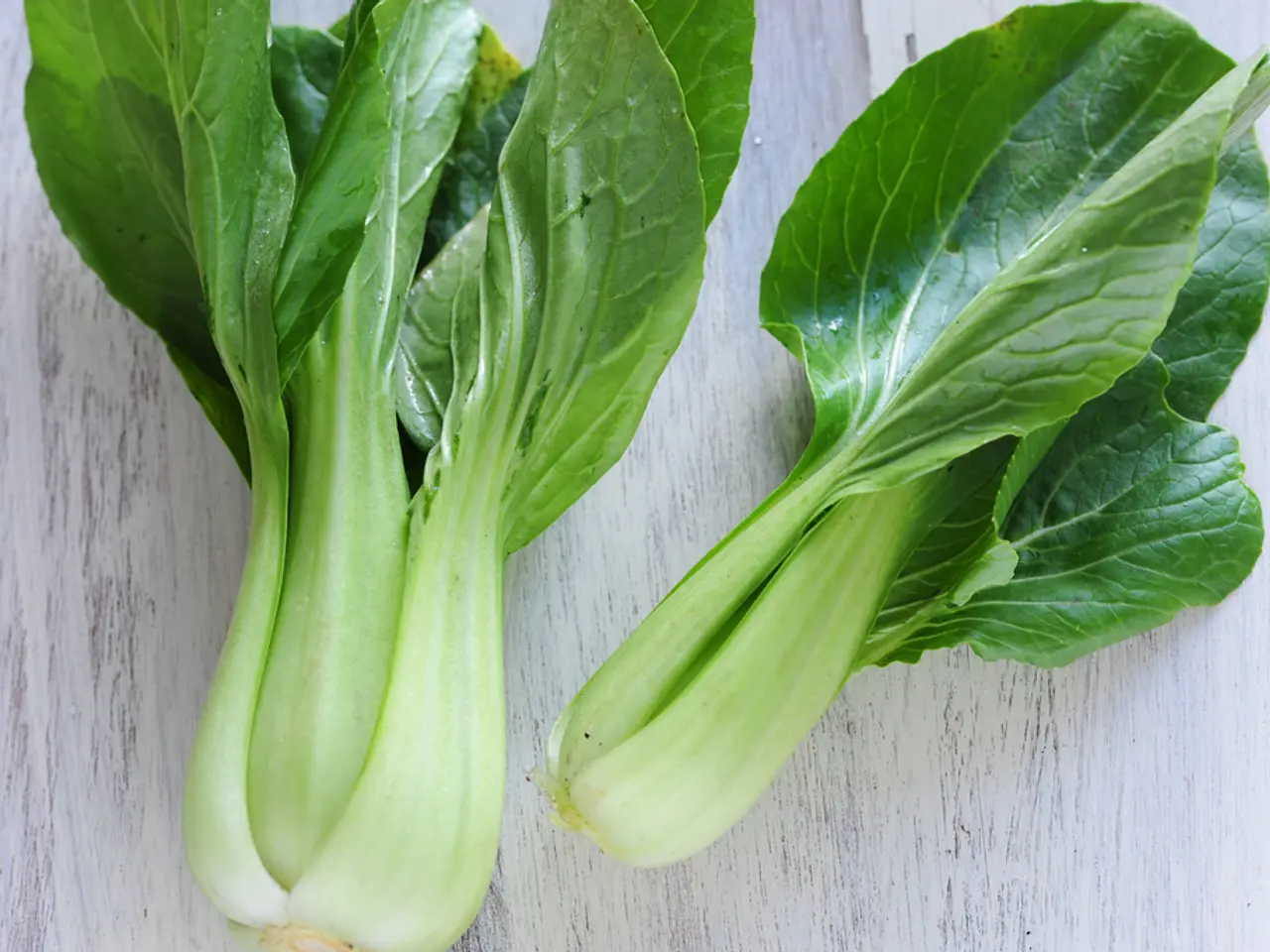
Cruciferous vegetables, such as broccoli, kale, cauliflower, collard greens, cabbage, and Brussels sprouts, are particularly beneficial. They contain unique cancer-fighting nutrients, including Indole-3-Carbinol and isothiocyanates. Indole-3-Carbinol may help protect the body from hormone-related cancers by assisting in the elimination of excess hormones and hormone metabolites.
Lycopene, found predominantly in ripe tomatoes, is another phytonutrient linked to reduced risk of heart disease, prostate cancer, breast cancer, and pancreatic cancer.
Omega 3 fatty acids, found in fatty fish, flax, walnuts, and chia seeds, help reduce chronic inflammation in the body, potentially linked to many chronic diseases, including some types of cancer.
Raw, fresh garlic contains the compound diallyl disulfide, which is considered a tumour inhibitor and can slow or stop the growth of tumours (at least in the lab).
While these whole foods may help reduce the risk of cancer, it's important to note that they are not a guarantee or substitute for professional medical advice. If you have specific questions regarding diet or concerns, it's recommended to speak to a doctor.
Including specific whole foods such as those listed on a weekly or daily basis is a recommended second step in preventing cancer. However, it's crucial to remember that a balanced diet is key, and a combination of these whole foods, along with regular exercise and a healthy lifestyle, can significantly contribute to cancer prevention.
Read also:
- Trump's SNAP reductions and New York City Council's grocery delivery legislation: Problems for city residents highlighted
- Reducing dental expenses for elderlies in Sweden: Over 50% cut in charges for pensioners by the government
- Forty-year-old diet: A list of meal choices to savor
- Exiled Life's Conundrum: A Blend of Liberation, Disillusionment, and Distress