
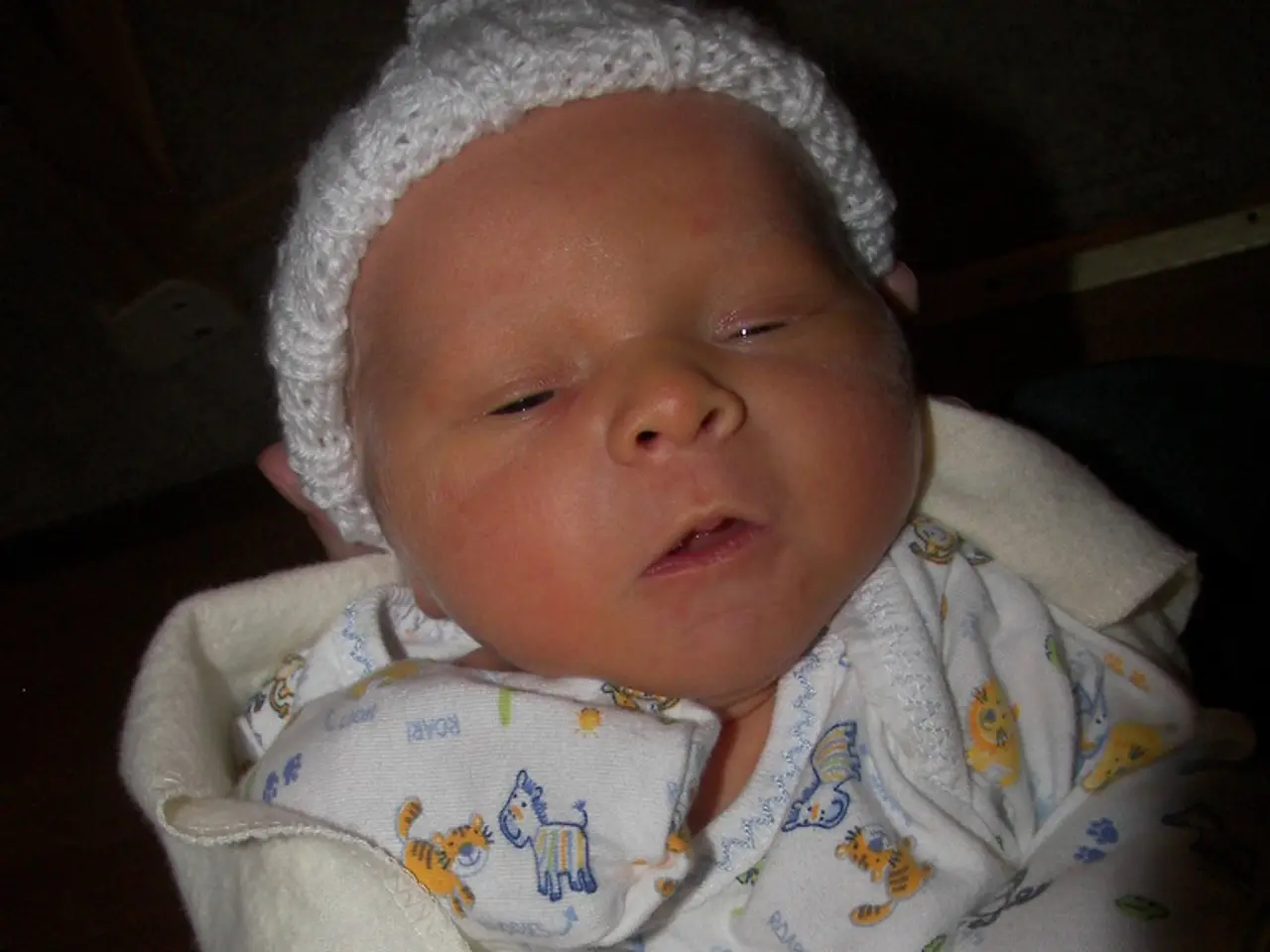
Genetic and Skin Color Alterations in Infants: An Examination of Genetic Factors
A newborn baby's skin colour is a fascinating blend of genetics from both parents, but certain colours can sometimes indicate underlying health conditions. Here's a breakdown of what different skin colours might mean.
A newborn baby may have red or purple skin, a condition often caused by heat rash, infections, or inflammation. In some cases, purple patches or spots can be a sign of poor oxygen circulation, blood disorders, or leukemia infiltrating the skin.
Yellow skin, or jaundice, is a common condition in newborns characterised by high bilirubin levels in the blood. This can give the skin and eyes a yellowish tint. Seborrheic dermatitis, a skin condition, can also cause yellow oily patches on the skin, including diaper areas.
Blue skin, or cyanosis, is a less common occurrence and indicates low oxygen levels in the blood or poor blood circulation. This can be a symptom of various heart or lung problems in infants.
Skin conditions such as seborrheic dermatitis and common viral rashes like roseola may produce red to purple hues in lighter or darker-skinned babies. Leukemia in children can cause red or purple skin rashes or spots from blood cell abnormalities and bleeding under the skin.
It's important to note that a baby may have bluish hands and feet due to having an immature circulatory system. However, blueish skin all over their body or around the lips can indicate an underlying condition.
Jaundice that occurs for longer than a few days can indicate a more serious problem. Unusually pale skin can be a sign of anemia, albinism, or Phenylketonuria (PKU) in newborn babies.
A baby's skin colour can change over time and should settle fully at around 20 months old. Between 2-20 months old, a baby's skin may become lighter and less red. In some cases, a baby's skin can increase in yellow pigment until they reach 20 months old.
If you're concerned about your baby's skin colour, it's always best to contact your doctor for a professional evaluation. Remember, while a baby's skin colour can vary, it's the changes and unusual colours that might indicate a health issue.
[1] Mayo Clinic. (2021). Newborn skin conditions. [online] Available at: https://www.mayoclinic.org/healthy-lifestyle/infant-and-toddler-health/in-depth/newborn-skin-conditions/art-20046421
[2] American Academy of Dermatology. (2021). Newborn rashes: Causes and treatment. [online] Available at: https://www.aad.org/public/kids/skin/newborn-rash
[3] Healthline. (2021). Newborn jaundice: Causes, symptoms, and treatment. [online] Available at: https://www.healthline.com/health/newborn-jaundice
[4] Children's Hospital of Philadelphia. (2021). Skin rashes in children. [online] Available at: https://www.chop.edu/conditions-diseases/skin-rash-children
- Some rare forms of psoriatic arthritis can present with skin symptoms similar to psoriasis, potentially leading to misdiagnosis or delayed treatment.
- Depression, particularly in individuals with bipolar disorder, can increase the risk of developing skin conditions like acne and psoriasis, requiring a comprehensive approach to health-and-wellness and mental-health care.
- NSCLC (non-small cell lung cancer) may present with symptoms such as chronic coughing, chest pain, and unexplained weight loss, in addition to skin changes like muscle wasting or fingernail abnormalities.
- Certain medications used in HIV treatment can cause skin conditions like rashes or changes in the skin's pigmentation, emphasizing the importance of following a proper preparation (prep) schedule and working closely with medical professionals.
- Breast cancer can occasionally present with skin changes, such as redness, dimpling, or thickening of the skin on or around the breast, making regular breast self-examinations and annual mammograms essential for early detection.
- Science has shown that asthma can influence the onset and severity of certain skin conditions like eczema, necessitating close coordination between pulmonology and dermatology specialists for effective management.
- A predictive model developed by researchers demonstrated a strong correlation between certain skin conditions, such as seborrheic dermatitis and psoriasis, and the presence of bacteria found on the skin.
- Arthritis researchers have discovered a potential link between inflammatory arthritic conditions and an increased risk of both skin conditions and mental health disorders, highlighting the interconnected nature of medical-conditions and skin-care.
- Migraine sufferers may experience various skin-related symptoms during an attack, including changes in skin sensitivity, temperature sensitivity, or visible signs like flushing or pallor, emphasizing the importance of comprehensive care for migraine management.
- Healthcare professionals have noted a connection between certain skin conditions, such as vitiligo or scleroderma, and autoimmune diseases like lupus, emphasizing the need for continued research and comprehensive care in the field of skin-care and health-and-wellness.




