
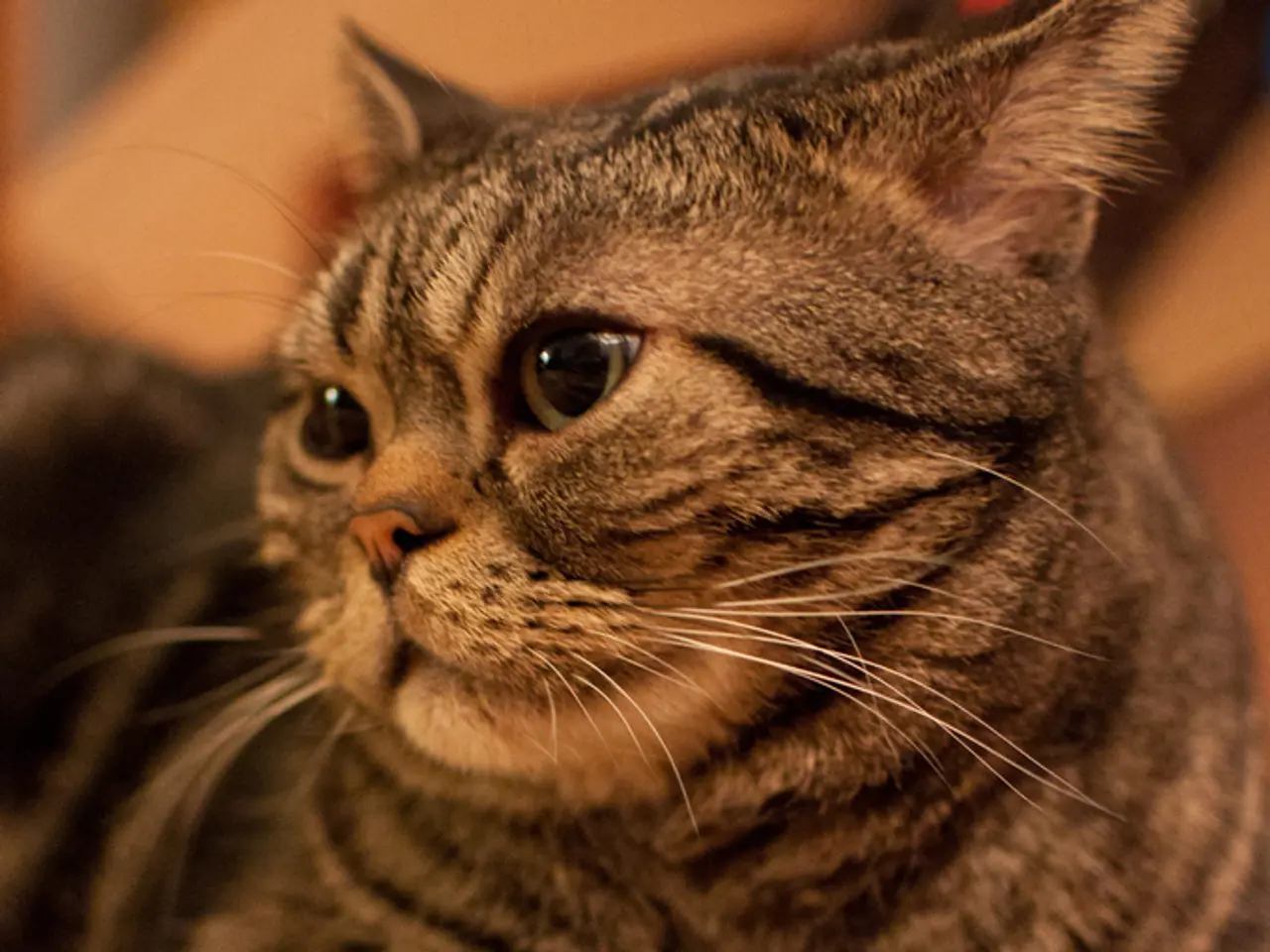
Heartbroken scenes unfold at Munich's animal shelter as kittens are put up for sale over the holiday season
In Munich, the local animal shelter is currently caring for 17 needy kittens, many of which are in poor condition and require special attention such as feeding by hand or through a tube. These kittens, including Keema and Anakin who were born severely handicapped, are not an isolated case, as another 2 million stray cats live in miserable conditions across Germany.
Four orphans, despite being four months old, are still battling giardiasis, a condition causing diarrhoea. These four, named Flipper, Fischi, Forello, and Tinti, were found alone without their mother on an allotment garden site in Pasing at the beginning of August. Weighing only 35 grams at the time of surrender, these kittens are being force-fed through a tube in the hope of gaining enough weight for surgery.
The situation of stray and abandoned cats in Munich, like in many urban areas, is a persistent issue. Although no detailed data was found in the search results, it is typical in German cities that animal shelters and rescue groups run trap-neuter-return (TNR) programs, foster homes, and adoption drives to manage stray cat populations and reduce animal suffering.
This Friday marks World Cat Day, and the Munich Animal Protection Association e.V. is emphasizing the need for a nationwide cat protection regulation. The proposed regulation would require cats with outdoor access to be compulsorily neutered and registered. However, this regulation is not included in the new edition of the Federal Animal Protection Act.
Despite the challenges, animal protection advocates must continue to rely on education and an appeal to cat owners to voluntarily prevent uncontrolled reproduction of their animals. Responsible ownership campaigns aim to reduce abandonment, which still occurs mainly when owners travel or during holidays.
Organizations like Gut Aiderbichl, a well-known animal sanctuary in Germany, emphasize responsible pet ownership and care for abandoned cats and kittens, highlighting ongoing efforts to care for these animals. If you want detailed, up-to-date insight on Munich’s situation, consider contacting local animal welfare organizations such as the Tierschutzverein München or municipal veterinary offices, as they actively handle these cases.
- In the realm of health-and-wellness, the science behind caring for sick kittens, like Flipper, Fischi, Forello, and Tinti, is crucial to ensure their survival.
- To promote mental health and wellness for both pets and their owners, responsible pet ownership is encouraged, such as ensuring regular veterinary check-ups and providing a nurturing environment.
- As part of a holistic lifestyle, prioritizing pet care encompasses not just physical health but also mental well-being, as shown in the ongoing efforts to rehabilitate needy kittens like Keema and Anakin at the local shelter in Munich.




