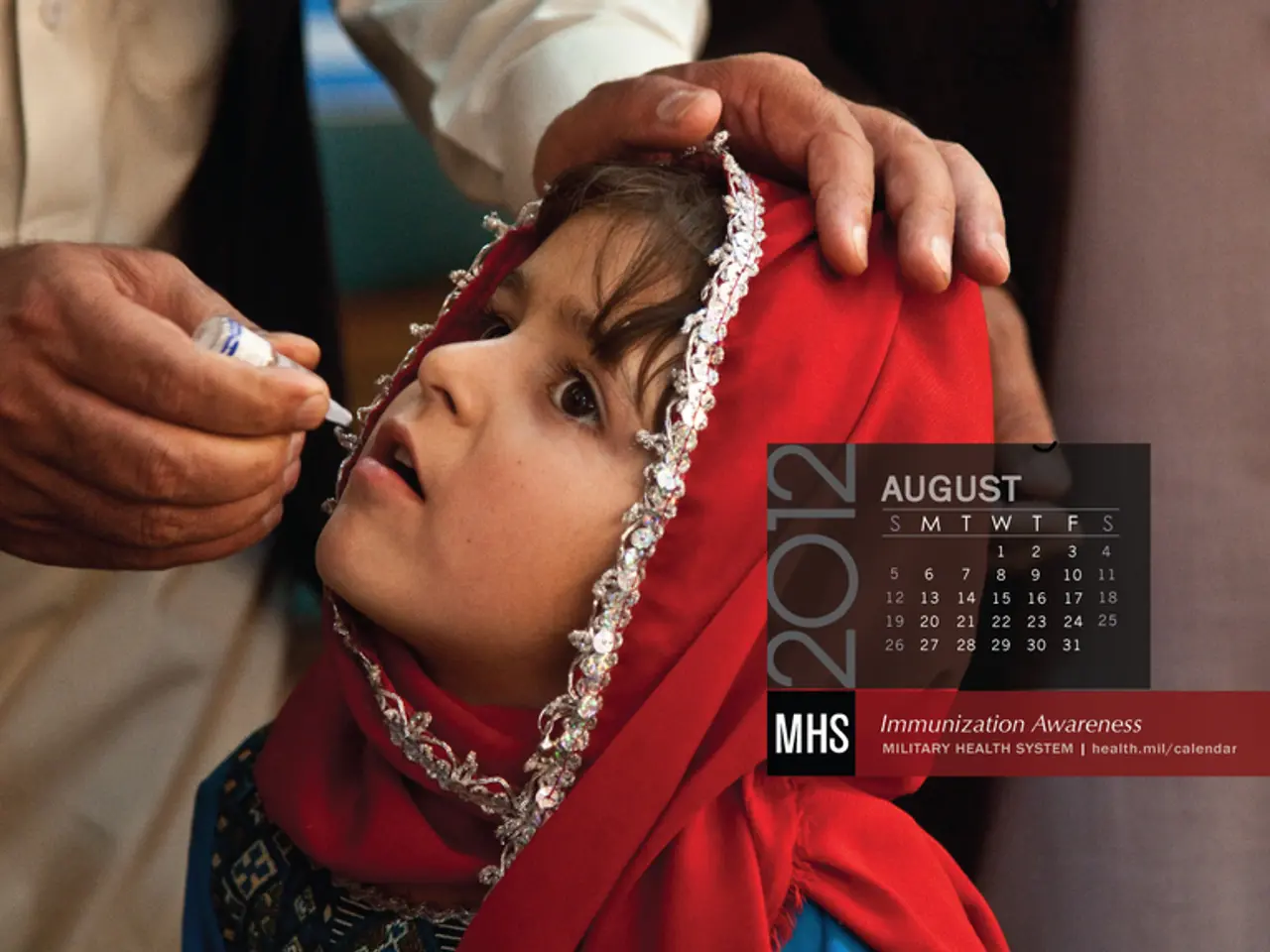
HPV Vaccine Proven Safe and Effective, Crucial for Preteens
The HPV vaccine, a vital tool in preventing human papillomavirus (HPV)-related diseases, has been deemed safe and effective. The CDC recommends that preteens receive the vaccine around age 11 or 12, as HPV affects nearly 80% of people in the United States.
HPV can be transmitted through skin-to-skin contact or sexual activity, with certain types causing medical concerns ranging from genital warts to cervical cancer. The vaccine protects against some types of HPV-related cancers, including those caused by types 16 and 18, which are linked to several cancers. It also protects against some strains known to cause genital warts. However, it's essential to note that the HPV vaccine does not prevent all HPV-related cancers, and routine Pap tests remain crucial for women.
While the HPV vaccine may have mild to moderate side effects, serious side effects are rare. A study found that about 92% of women experienced redness or rash at the injection site, 8% had headaches, and 1% had severe allergic reactions. However, overall research on side effects is sparse, and further studies are needed for a clearer understanding.
The HPV vaccine, when administered to preteens around age 11 or 12, can significantly reduce the risk of HPV-related diseases. While mild side effects may occur, serious reactions are uncommon. It's vital to remember that the vaccine does not protect against all HPV-related cancers, and routine medical check-ups remain necessary.
Read also:
- Trump's SNAP reductions and New York City Council's grocery delivery legislation: Problems for city residents highlighted
- Reducing dental expenses for elderlies in Sweden: Over 50% cut in charges for pensioners by the government
- Forty-year-old diet: A list of meal choices to savor
- Exiled Life's Conundrum: A Blend of Liberation, Disillusionment, and Distress