IIHR Boosts India's Kamalam Cultivation for Health and Wealth
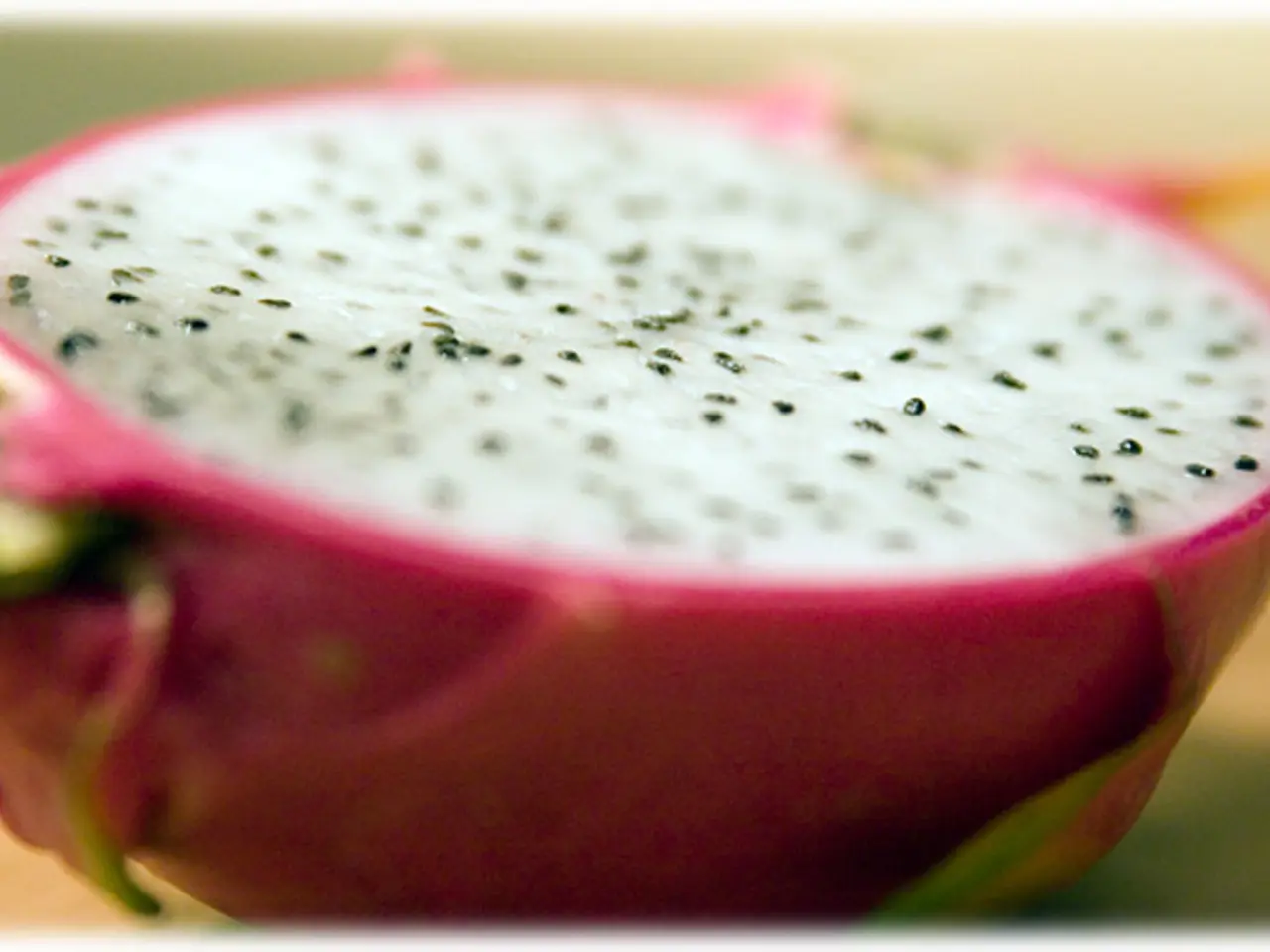
Indian Institute of Horticultural Research (IIHR) is at the forefront of advancing the cultivation and processing of Kamalam, a symbol of India's agricultural transformation. This vibrant, pink and white lotus variety, also known as dragon fruit, is celebrated for its exotic appearance, refreshing taste, and health benefits. IIHR's research focuses on optimizing farming practices, enhancing climate adaptability, improving storage solutions, adding value to the crop, and providing training programs.
IIHR's efforts have significantly improved post-harvest techniques, extending the shelf life of pink and white Kamalam. This has increased marketability and profitability, making it an attractive crop for farmers. The institute's work is transforming livelihoods and enhancing sustainability, contributing to a healthier population through the widespread adoption of Kamalam cultivation in India.
Kamalam, belonging to the Hylocereus genus, is rich in antioxidants, vitamins, dietary fiber, and electrolytes, making it a low-calorie, high-nutrition food. Its vibrant coloration enhances its visual appeal, boosting demand in both domestic and international markets. Despite challenges like pest infestations and specific climatic requirements, IIHR is addressing these issues through innovative solutions and farmer education.
IIHR's research is driving the cultivation and processing of Kamalam, a crop that represents a fusion of nutrition, aesthetic appeal, and economic promise. By improving post-harvest techniques and addressing cultivation challenges, IIHR is enhancing the marketability, profitability, and sustainability of Kamalam. This, in turn, is transforming livelihoods and contributing to a healthier population in India.
Read also:
- Trump's SNAP reductions and New York City Council's grocery delivery legislation: Problems for city residents highlighted
- Reducing dental expenses for elderlies in Sweden: Over 50% cut in charges for pensioners by the government
- Forty-year-old diet: A list of meal choices to savor
- Exiled Life's Conundrum: A Blend of Liberation, Disillusionment, and Distress