
Images of Brain Lesions and Prognosis: A Look into Their Appearance and Impact
Multiple Sclerosis (MS) is a debilitating disease that affects the central nervous system, causing damage and scarring in the form of lesions. These lesions, also known as plaques, are primarily formed due to demyelination - the loss of the myelin sheath surrounding neurons. This process is thought to be driven by an autoimmune response, where the immune system mistakenly attacks the myelin-producing cells called oligodendrocytes.
The formation of lesions involves several key processes: demyelination, axonal damage, gliosis, and immune cell infiltration. Demyelination leads to impaired signal transmission, while axonal damage may result in the destruction of nerve fibres. Gliosis refers to an increase in astrocytes, which form a scar-like tissue around damaged axons. Immune cell infiltration is a common characteristic of active lesions, contributing to further damage.
MRI scans are crucial for detecting and characterizing MS lesions. T2-weighted MRI sequences typically reveal hyperintense lesions, which correspond to regions of demyelination, edema, and inflammation. The common types of lesions include active lesions, chronic active lesions (smoldering lesions), and chronic inactive lesions.
Active lesions are characterized by ongoing demyelination and inflammation, often with significant immune cell infiltration. They are more common in acute relapsing forms of MS. Chronic active lesions show ongoing, low-grade inflammation and demyelination over time, often seen in progressive forms of MS. Chronic inactive lesions are characterized by minimal inflammation and represent older, stable areas of damage.
MRI is essential for diagnosing and monitoring MS by visualizing lesions in the brain and spinal cord. However, differentiating MS lesions from other brain anomalies remains challenging. T2-weighted MRI scans are particularly useful for identifying hyperintense lesions indicative of demyelination and axonal loss.
In a T2-weighted MRI scan, MS lesions appear as bright spots. The frequency of MRI scans will depend on a person's disease course. For example, if a person's MS is stable, they may only need periodic assessments, whereas someone with active MS needs more frequent scans.
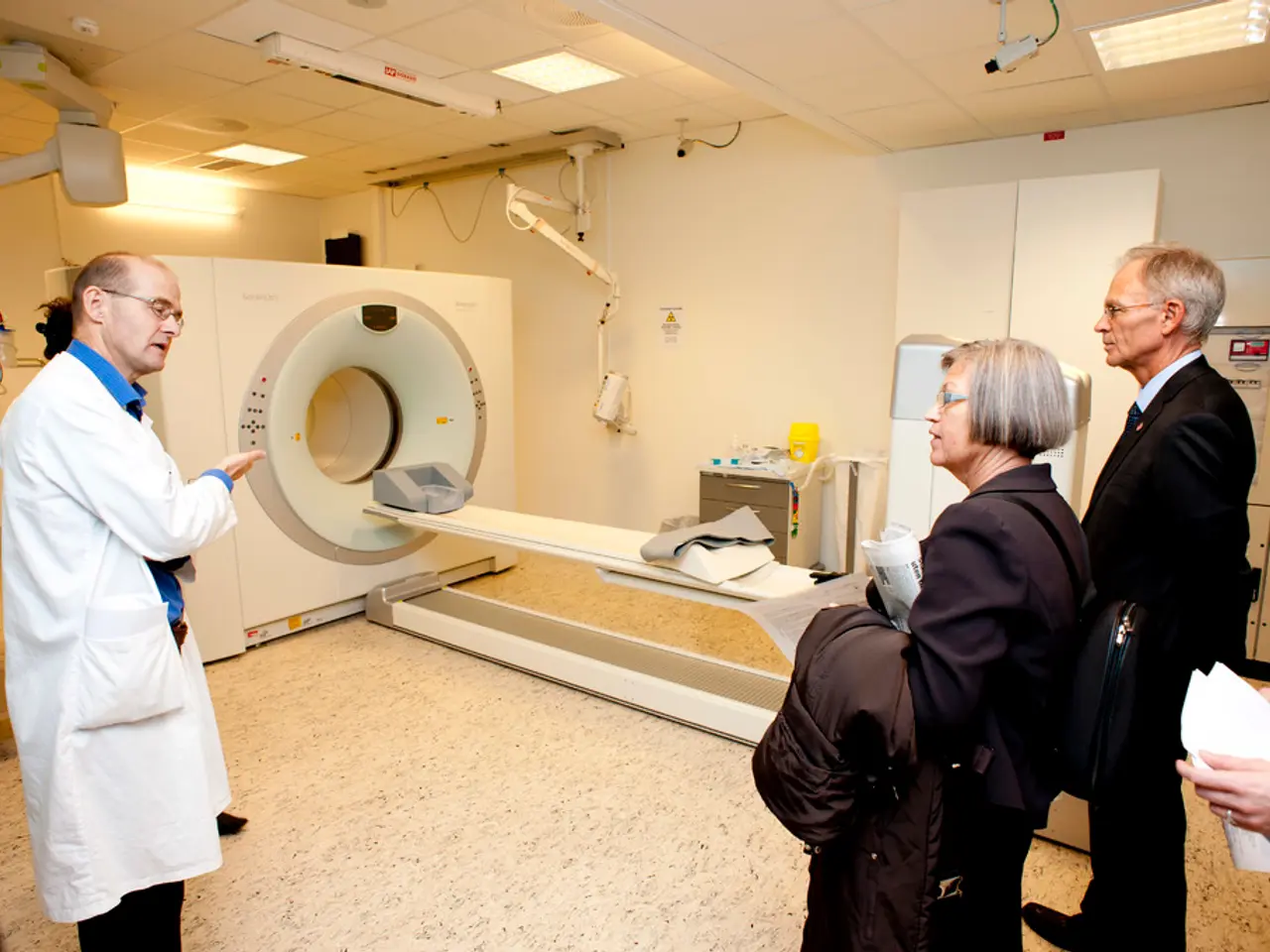
Before an MRI scan, people may need to remove items that may affect the MRI machine, such as eyeglasses, hairpins, watches, jewelry, dentures, hearing aids, wigs, bras with underwires, and magnetic items. During the scan, the inside of the machine makes loud, repetitive noises, and the technician may provide earplugs or music to help block out the noise.
It is essential to note that there is currently no cure for MS, but treatments can prevent or slow the progression of some types of MS and help manage symptoms. The appearance of more lesions on a T2-weighted scan may indicate higher levels of disability and a less favorable long-term outcome. The use of advanced forms of MRI, such as FLAIR sequencing, can provide clearer imaging of MS lesions. Additionally, gadolinium contrast agents can help to highlight MS lesions on MRI scans.
In conclusion, understanding MS lesions and their formation is crucial for diagnosing and managing the disease. MRI scans play a vital role in this process, helping to visualize the damage caused by MS and monitor its progression. With ongoing research and advancements in treatment, the hope is that one day, we will be able to prevent the formation of these lesions and find a cure for MS.
- The formation of lesions in Multiple Sclerosis (MS) is typically driven by a type of autoimmune response, where the immune system mistakes oligodendrocytes, the myelin-producing cells, as foreign entities.
- These MS lesions, or plaques, can be detected and characterized using predictive science such as MRI scans, which often reveal hyperintense lesions in T2-weighted sequences, corresponding to regions of demyelination, edema, and inflammation.
- Besides Multiple Sclerosis, other medical-conditions like diabetes, asthma, mental health disorders, and neurological disorders like HIV and multiple sclerosis may require regular health-and-wellness check-ups and management.
- In a health-and-wellness context, it's important to remember that there is currently no cure for multiple sclerosis, but treatments can help prevent or slow the progression of some types and manage symptoms.
- Preparing for an MRI scan might require removing items like eyeglasses, watches, and jewelry to avoid interference with the machine, and earplugs or music may be provided during the scan to help block the loud, repetitive noises.
- Advanced forms of MRI technology, such as FLAIR sequencing and gadolinium contrast agents, can provide clearer imaging of MS lesions, aiding in the early detection, diagnosis, and management of MS cases.




