
Indian Medicinal Herbs: A Collection of 10 Healing Plants
In the rich and diverse landscape of Indian culture, Ayurvedic medicine stands as a testament to the country's ancient wisdom and holistic approach to health. This traditional system of medicine, with its roots dating back over 5,000 years, utilizes a variety of medicinal plants to promote physical, mental, and spiritual well-being.
One such plant is turmeric, a common ingredient in Indian cuisine, renowned for its antioxidant and anti-inflammatory properties. It is also used in herbal remedies to treat a variety of health conditions.
Brahmi, another key plant, is used to make a tonic believed to improve memory and cognitive function, as well as treat anxiety, insomnia, and other mental health conditions. Guggul gum resin, on the other hand, is used to create herbal remedies with anti-inflammatory, antioxidant, and cholesterol-lowering properties.
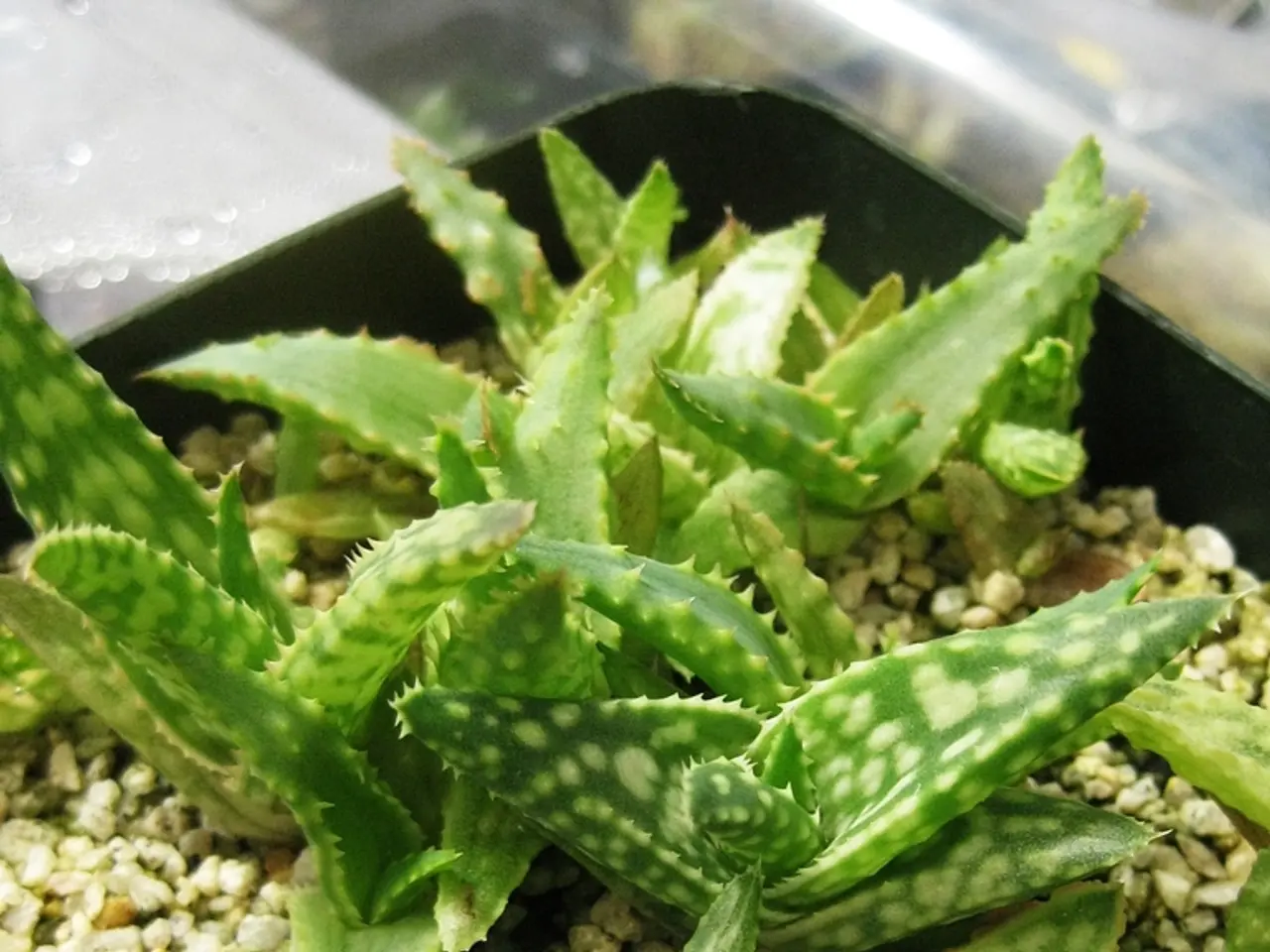
Aloe Vera gel is a well-known remedy for treating burns, cuts, and skin conditions, thanks to its anti-inflammatory and soothing properties. Neem leaves, bark, and seeds are used to make a variety of herbal remedies with antibacterial, antiviral, and antifungal properties.
Peppermint leaves can be made into a tea or tincture to help with digestive problems and headaches, while holy basil leaves and flowers are used to make a tea believed to have a calming and stress-relieving effect, and to treat coughs, colds, and other respiratory conditions.
Shatavari root and ashwagandha roots are used to make tonics believed to have a calming and restorative effect on the body, and are commonly used to treat women's health conditions and boost the immune system, respectively.
Amla, or Indian Gooseberry, is rich in antioxidants and used to enhance immunity and promote overall health. It is also employed for digestive health and detoxification.
Ayurveda incorporates approximately 93 herbal plants from 44 botanical families, each with marked therapeutic roles. These plants are used in various formulations for ailments, lifestyle wellness, and even skincare. Many of these plants' therapeutic properties, such as antimicrobial and anti-inflammatory effects, are documented in ancient Indian texts and still validated experimentally today.
The holistic approach of Ayurvedic medicine emphasizes the integration of lifestyle, diet, and treatment to nurture absolute health, influencing mental, physical, and spiritual wellness through natural botanical extracts. It is always recommended to consult with a healthcare provider before using medicinal plants to treat a health condition.
References:
- "Ayurvedic Medicine: Uses, Benefits, and Safety." Healthline, Healthline Media, 26 June 2019, www.healthline.com/health/ayurvedic-medicine
- "Ayurvedic Medicine." National Center for Complementary and Integrative Health, U.S. Department of Health and Human Services, www.nccih.nih.gov/health/ayurveda
- "Ayurvedic Medicinal Plants." Ayurveda Today, www.ayurvedatoday.com/ayurveda/ayurvedic-medicinal-plants/
- "Ayurvedic Herbs and Their Medicinal Uses." Organic Facts, www.organicfacts.net/ayurvedic-herbs.html
- "Top 10 Ayurvedic Herbs and Their Uses." StyleCraze, www.stylecraze.com/articles/top-10-ayurvedic-herbs-and-their-uses/
- In Ayurvedic medicine, some plants, like aloe vera, are used for skincare and to treat burns, cuts, and skin conditions due to their antimicrobial and anti-inflammatory properties.
- Peppermint leaves and holy basil leaves are often used to make teas or tinctures and are known for their calming, stress-relieving effects and ability to help with digestive problems and headaches.
3.Amla, or Indian Gooseberry, is rich in antioxidants and is used in Ayurvedic medicine to enhance immunity, promote overall health, and support digestive health and detoxification.
- Ayurveda incorporates numerous medicinal plants, such as turmeric, brahmi, guggul gum resin, and neem, which are used in various formulations for ailments, lifestyle wellness, and even in remedies for mental health conditions.




