
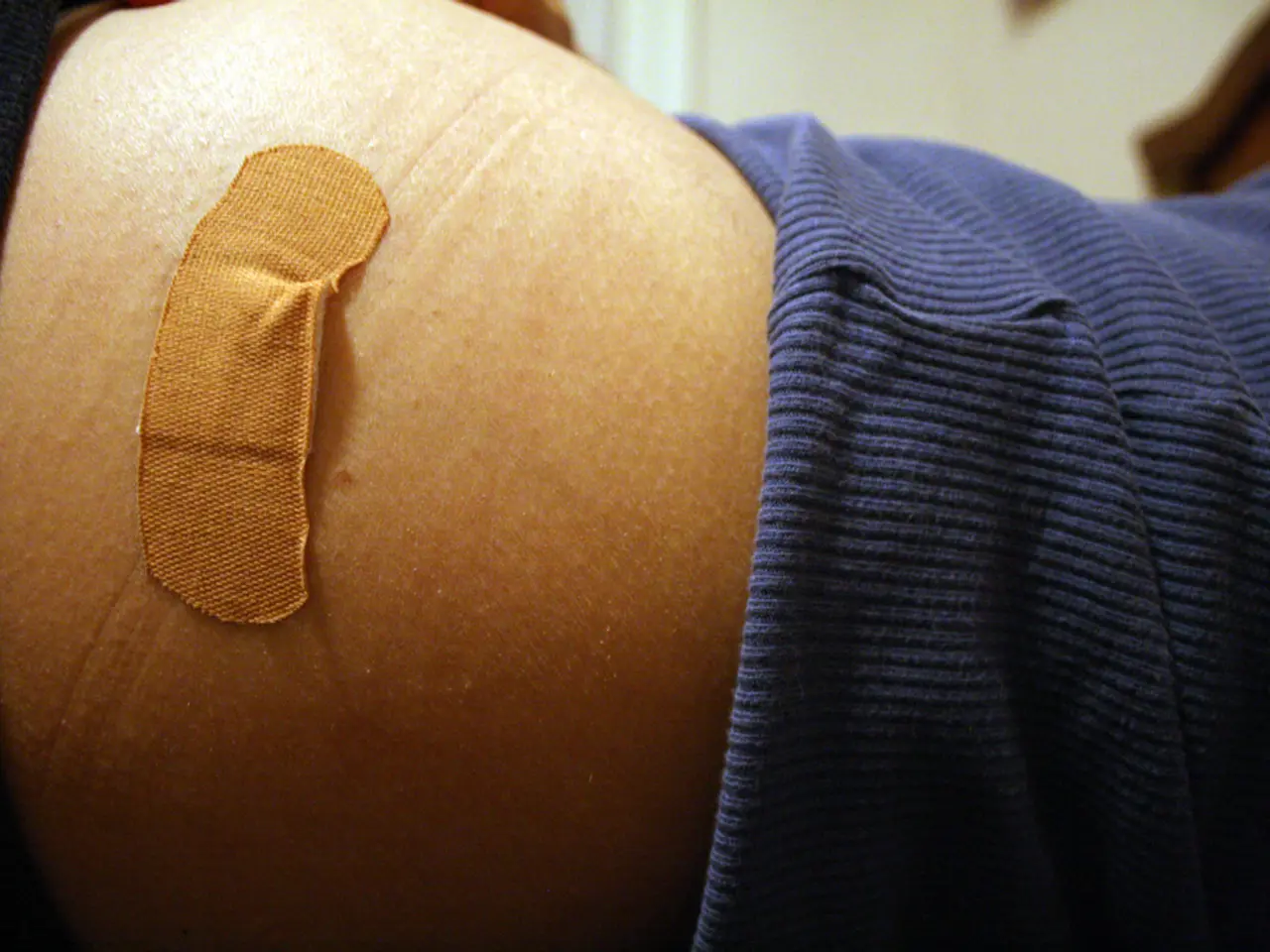
Instructions for Stopping Blood Loss in Shallow and Deep Wounds
When faced with deep or large cuts, it is crucial to take immediate action to stop the bleeding, clean the wound, prevent infection, and seek professional care. Here is a step-by-step guide on how to treat such injuries using a first-aid kit.
1. Stop the Bleeding
- Apply firm and direct pressure on the wound using sterile gauze or a clean cloth. For deep or large wounds with heavy bleeding, hemostatic gauze from your trauma kit may be necessary.
- If bleeding is severe and not controlled by pressure, use a tourniquet above the wound site (between the wound and the heart) tightly enough to stop arterial blood flow.
2. Clean the Wound Gently
- Once bleeding slows, gently rinse the wound with cool running water to remove dirt and debris. Avoid soap inside the wound, but clean surrounding skin.
- Use saline solution or an antiseptic that is safe for wounds but avoid harsh chemicals like alcohol or hydrogen peroxide.
3. Prevent Infection
- Apply an antibiotic ointment or antiseptic cream around the cleared wound to reduce infection risk.
- For large or deep cuts, signs of infection (yellow fluid, swelling, redness) require professional evaluation and possibly antibiotics.
4. Dress the Wound
- Cover the wound with a sterile dressing or bandage and keep it dry.
- Change dressings daily or if they become wet/dirty to avoid bacterial contamination.
5. Monitor and Seek Medical Attention
- Deep cuts longer than half an inch, with jagged edges, or located on the face or joints may need stitches or surgical closure.
- Monitor the wound for worsening signs such as increased pain, redness, pus, or swelling.
- Immediate professional help is necessary if bleeding is uncontrolled, if there is spurting blood (arterial bleeding), or if large vessel damage is suspected.
Specialized Supplies from a Trauma First-Aid Kit
| Item | Purpose | |----------------------|-------------------------------------------------| | Hemostatic gauze | Accelerates clotting to stop severe bleeding | | Tourniquet | Controls life-threatening limb bleeding | | Sterile gauze/bandage | Applies pressure, protects wound | | Antiseptic/antibiotic | Prevents infection |
Using these steps along with appropriate first-aid supplies ensures optimal care for deep or large cuts until professional medical treatment is available.
For stubborn small bleeds, hold pressure for 15 minutes without interruption to allow a clot to form. A tourniquet can be used to stop bleeding by wrapping around an extremity if a limb has a deep cut and is bleeding profusely.
Emergency medicine physician Baruch Fertel, MD, advises against using hydrogen peroxide, alcohol, or antibiotic cream when cleaning a small cut. Properly caring for a cut following injury and preventing infection in small cuts is crucial for the healing process. After washing, bandage the wound to protect it from further injury.
Always remember, if you experience spurting blood, blood soaking through dressings, a significant amount of blood loss, bleeding that's not controlled by applying pressure, a wound that penetrates the chest or abdomen, or if the cut is not stopping the bleeding, call 911 immediately.
Engage in regular health-and-wellness practices such as fitness-and-exercise to maintain a strong immune system and quicken wound healing. Consuming a balanced diet rich in vitamins and minerals, along with regular physical activity, can reduce the risk of infections and promote overall health and well-being.
By developing good health habits, the body's natural response and recovery processes become more efficient in addressing minor injuries or cuts effectively, ensuring a smoother and swifter recovery.




