
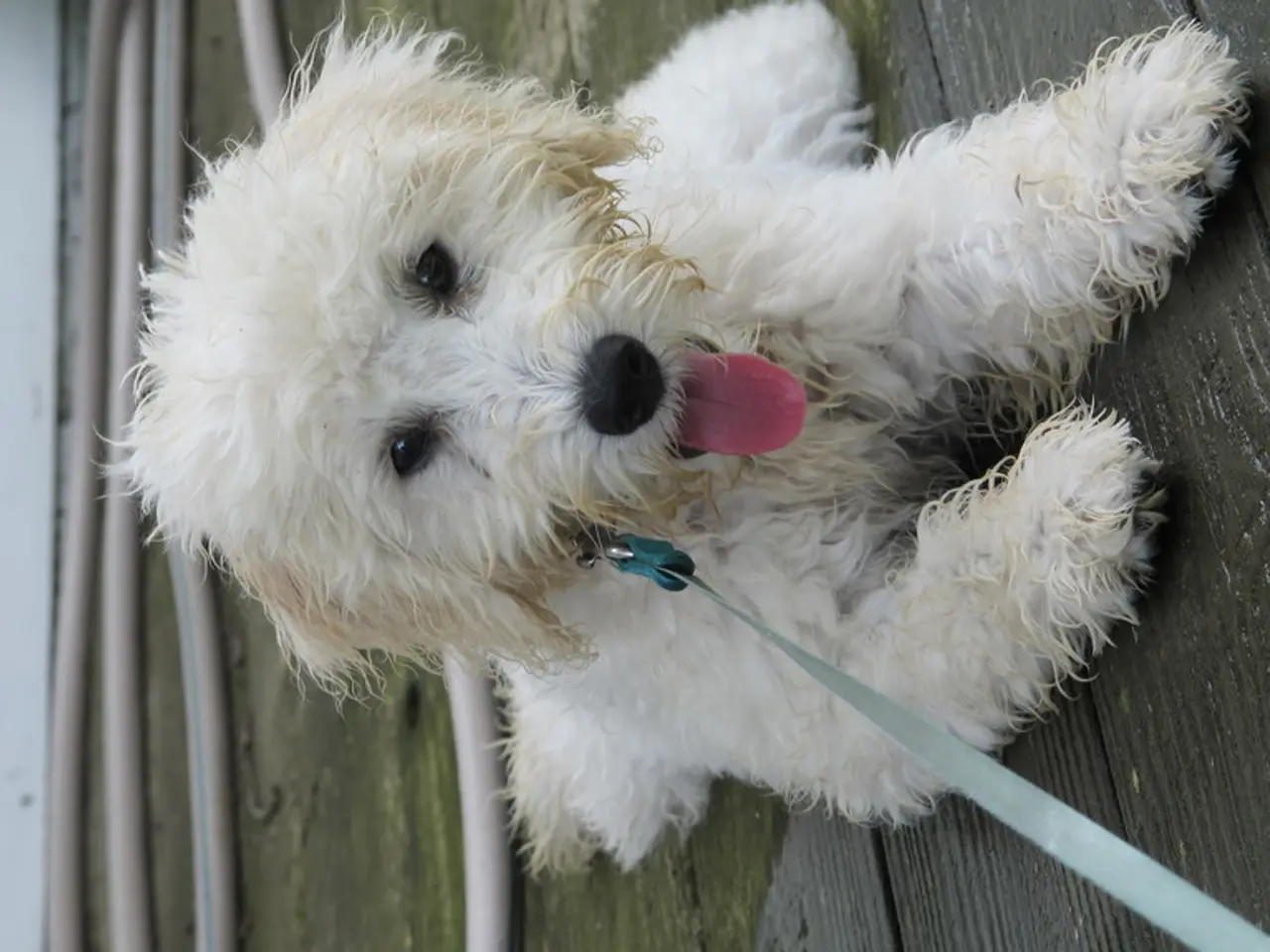
Investigating Post-Surgery Dog Breathing Heavily: Root Causes, Anxieties, and Treatment
After undergoing surgery, it's common for dogs to exhibit excessive panting. This article aims to help pet owners understand the causes and manage their furry friends' panting effectively during the recovery period.
Post-surgical panting in dogs can be attributed to several factors. Pain and discomfort around the incision site, residual effects of anaesthesia or pain medications, stress and anxiety, overheating, and potential surgical complications are some of the common causes. Dogs may pant due to pain-related distress, anxiety from unfamiliar surroundings, being confined, or discomfort from the recovery process. Overheating may occur due to limited mobility and stress, making dogs more prone to overheating and persistent panting to cool off.
To manage excessive panting after surgery, pet owners can take several steps. Creating a calm, cool, and quiet environment is essential to minimise stress and excitement, helping to reduce anxiety-related panting. Offering plenty of fresh water is crucial to help flush anaesthesia drugs from the dog's system, while feeding smaller, more frequent portions can prevent nausea and vomiting.
Following veterinary instructions carefully is also important. Limiting physical activity and preventing jumping or excessive movement can help avoid surgical complications like swelling or wound reopening. Watching for signs of pain or complications, such as restlessness, persistent panting, pale gums, vomiting, or changes in behaviour, is vital. Contacting the vet promptly if these signs arise is recommended.
Pain management is crucial during the recovery period. Using prescribed pain medications exactly as directed by the vet is essential. Over-the-counter human medications can be harmful to dogs, so it's important to avoid them. If panting does not subside after rest, or is accompanied by lethargy, vomiting, or confusion, it may signal a serious problem requiring prompt medical attention.
Understanding and managing dog panting after surgery is crucial for ensuring a smooth recovery process. Monitoring your dog's panting patterns, appetite, energy levels, and overall behaviour is important during the recovery period, noting any changes or concerns to discuss with your veterinarian.
Excessive or prolonged panting, panting accompanied by restlessness or inability to get comfortable, laboured breathing or unusual respiratory sounds, and pale or bluish gums may indicate a more serious problem and require immediate veterinary attention. The timeline for full recovery varies depending on the type of surgery and individual factors; your veterinarian can provide a more accurate estimate based on your dog's specific case.
Patience and attentiveness are key during the recovery period. Short, gentle walks can help improve circulation and reduce anxiety in dogs during recovery, but always follow your veterinarian's guidelines for post-operative activity levels. Attend all scheduled follow-up veterinary appointments to ensure your dog's recovery is on track and to address any concerns promptly.
Gradually returning to normal activities and exercise, following your vet's guidelines, can help prevent complications and reduce stress on your dog's body during recovery. By closely observing your dog’s condition and ensuring they rest comfortably with adequate water and pain management, you can help reduce excessive panting after surgery. Always consult your veterinarian if you have concerns or your dog's panting seems abnormal or prolonged.
References: American Kennel Club, VCA Hospitals, Cornell Feline Health Center, Journal of Veterinary Behavior, Veterinary Clinics of North America: Small Animal Practice, and Veterinary Clinics of North America: Small Animal Practice.
- The simple act of creating a calm, cool, and quiet environment can help minimize stress and anxiety in dogs during the recovery period, thus reducing anxiety-related panting.
- Maintaining the health-and-wellness of a dog recovering from surgery involves understanding the correlation between anxiety, stress, and sleep – factors that may contribute to excessive panting.
- Science continues to unveil the complex relationship between mental-health, happiness, and sleep in dogs, with studies suggesting that a good night's rest can lead to reduced stress levels and healthier panting patterns.
- Employing psychology-based strategies, such as positive reinforcement and distraction techniques during recovery, may help alleviate stress and anxiety in dogs, which can reduce their chances of excessive panting.




