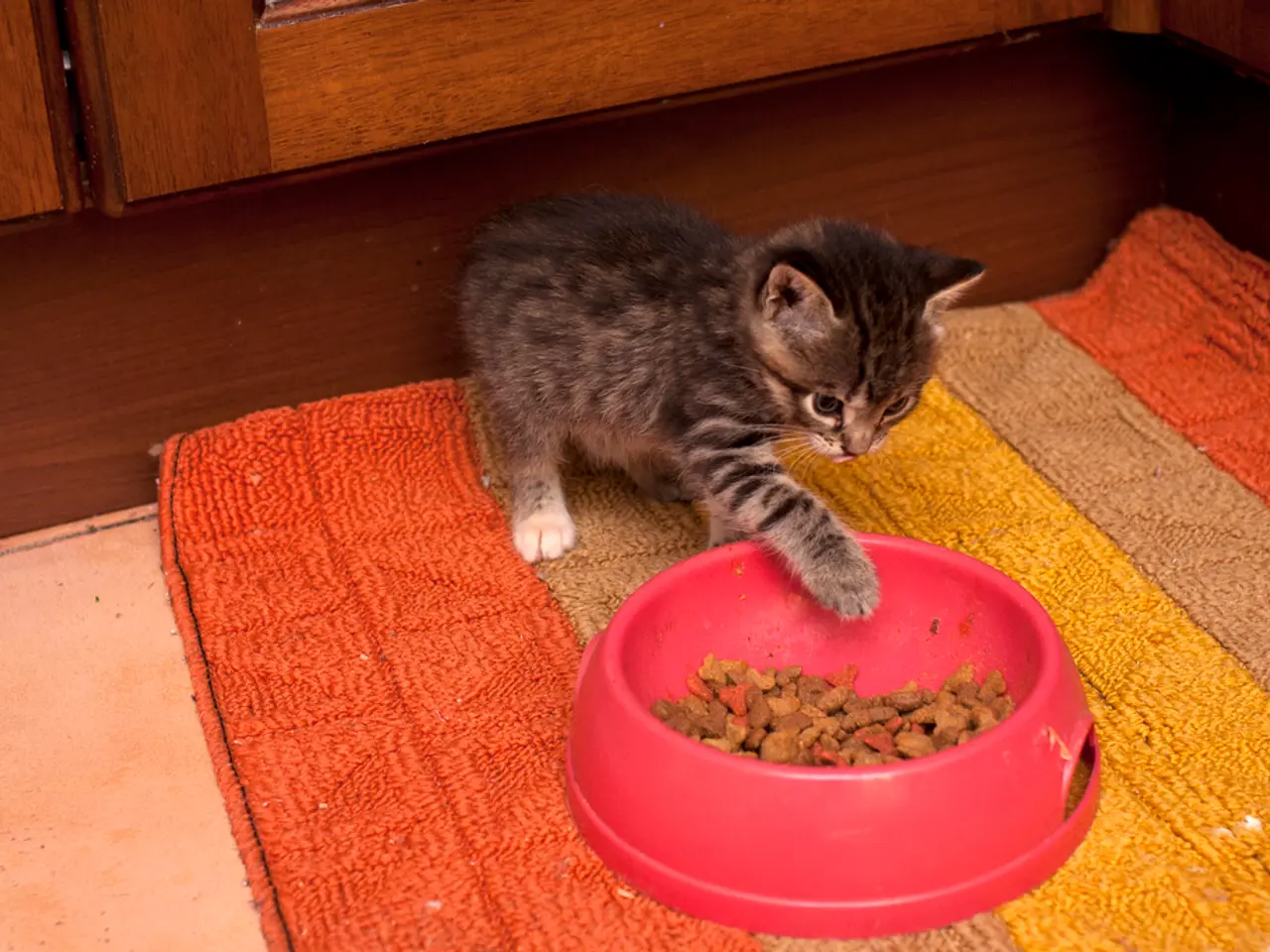
Investigating the Possibility of Probiotics Helping Felines
In a recent study published in the BMJ journal Vet Record Open, researchers Smith, Johnson, and colleagues explored the potential effects of probiotics on the nutritional conditions and stool quality of healthy adult cats. The study involved 10 healthy Maine Coon cats, with five of them being fed a strain of the bacterium Lactobacillus acidophilus.
The research aimed to shed light on the role of gut bacteria in feline health, as they are known to be crucial for the health of the gut and beyond, boosting immune defenses, improving digestion, and aiding energy metabolism.
The study employed the Nestle Purina fecal score system to assess the cats' fecal quality. The results showed that cats in the probiotic group had less moist feces and higher 'quality' feces compared to the control group. Moreover, the feces of the probiotic group contained higher levels of L. acidophilus.
Interestingly, the feces of the probiotic group had lower levels of coliform bacteria such as Escherichia coli, suggesting a potential beneficial effect of the probiotic strain on maintaining a balanced gut microbiota.
However, it is important to note that more research is needed to assess whether there are any true benefits of probiotics for cats. While scientific support for the claims of improved digestive and overall health from probiotics is scant, their popularity in the United States has been increasing. Probiotics are available in a range of products, including drinks, breakfast cereals, and yogurts.
The possible causes of soft feces in cats and dogs are still debated, and further studies with a larger sample of healthy cats and a comparison with cats experiencing gastrointestinal pathology could be carried out to investigate the effect of the tested strain on carnivore dysbiotic gut.
The study's findings add to the growing body of evidence suggesting that probiotics could potentially play a role in maintaining gut health and improving fecal quality in cats. However, until more research is conducted, cat owners should approach probiotic supplements with a cautious and informed perspective.
This article was originally published on MedicalNewsToday.com.
Read also:
- Trump's SNAP reductions and New York City Council's grocery delivery legislation: Problems for city residents highlighted
- Reducing dental expenses for elderlies in Sweden: Over 50% cut in charges for pensioners by the government
- Forty-year-old diet: A list of meal choices to savor
- Exiled Life's Conundrum: A Blend of Liberation, Disillusionment, and Distress