
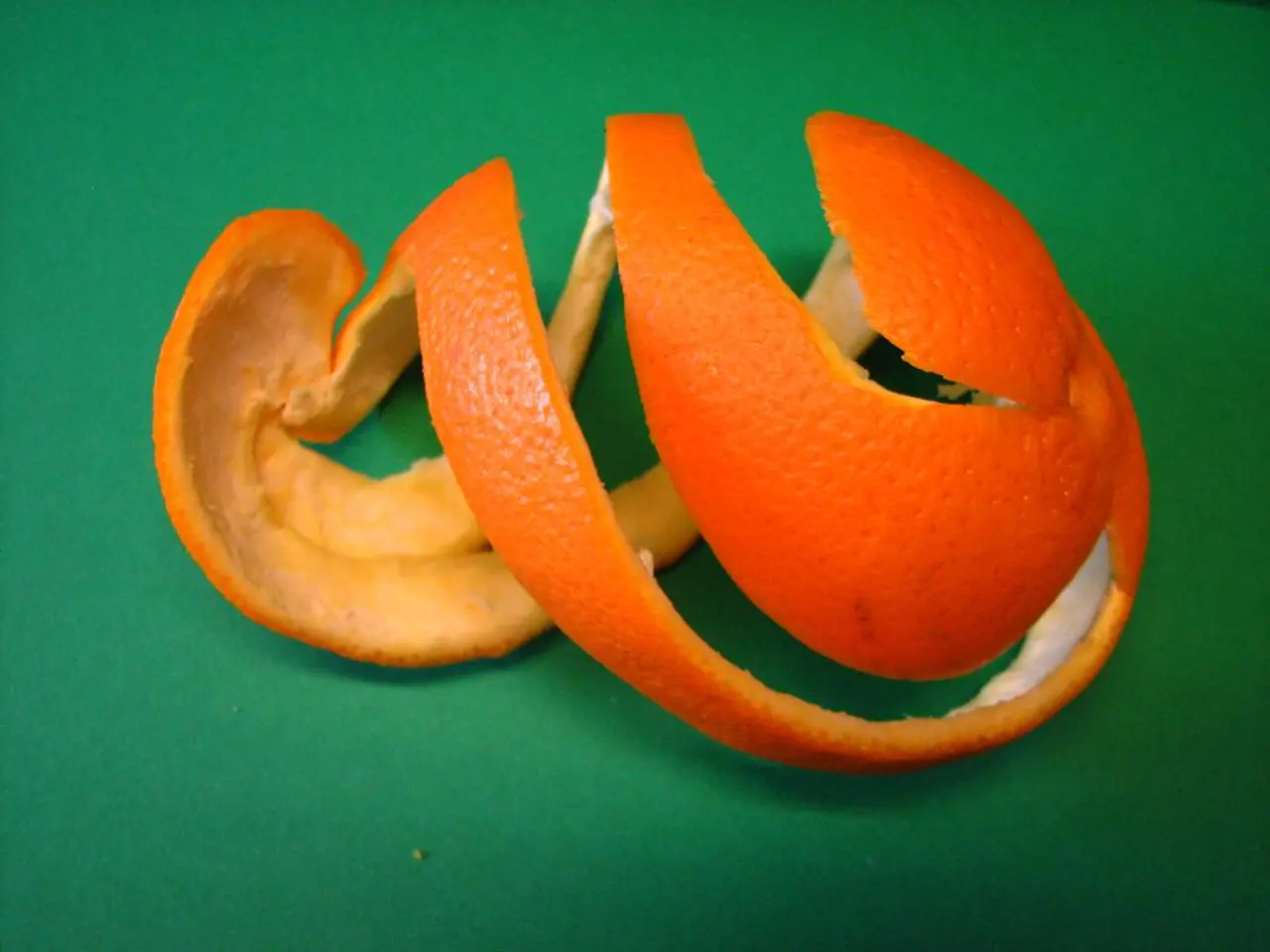
Orange Peel Skin: Causes and Remedies
Peau d'orange, a term that describes skin becoming thick and pitted, similar to the texture of an orange peel, can be a worrying sign. While it is often associated with inflammatory breast cancer (IBC), a rare type of breast cancer that accounts for 1-5% of diagnoses, it can also indicate other conditions.
In the case of IBC, the breast tissue becomes inflamed due to the blockage of small lymph ducts by cancer cells, causing rapid onset of symptoms such as peau d'orange, swelling, redness, and tenderness, often without a palpable lump. Mastitis, an infection of the breast tissue, can also cause similar symptoms, including peau d'orange, swelling, redness, and warmth. Benign breast diseases, non-cancerous conditions, may also lead to localized dimpling or skin changes, potentially resembling peau d'orange.
It is crucial to consult a healthcare provider if peau d'orange appears on the breast area. Early detection and treatment can significantly improve the chances of managing IBC and other related conditions.
Preventing IBC may not be entirely possible, but adopting a healthy lifestyle can help reduce its chances of developing or spreading. This includes identifying symptoms, receiving regular, age-appropriate screenings, regular exercise, a balanced diet, reducing alcohol intake, knowing about any cancer-related family history, and seeking medical attention promptly if any unusual symptoms arise.
For those diagnosed with IBC, treatment often begins immediately after diagnosis and may include chemotherapy, surgery, radiation therapy, targeted therapy, and hormone therapy. While there is no full cure for IBC, these treatments aim to control the disease and improve the patient's quality of life.
It is essential to remember that peau d'orange in and of itself is not harmful, but it can be a symptom of an underlying condition. Other conditions that can cause peau d'orange include pseudoxanthoma elasticum, a condition that causes elastic fibers in the skin and connective tissues to harden and lose their ability to expand and contract, and Graves' dermopathy, a skin condition characterised by a build-up of certain types of carbohydrates in the skin, resulting in swollen, red skin with a peau d'orange appearance.
In conclusion, while peau d'orange can be a concerning symptom, understanding its potential causes and seeking medical attention promptly can help in early detection and treatment, leading to better outcomes. Adopting a healthy lifestyle and being aware of any unusual changes in the breast area can also help in preventing and managing breast-related conditions.
[1] Breastcancer.org. (2021). Inflammatory Breast Cancer. [online] Available at: https://www.breastcancer.org/symptoms/invasive/inflammatory [2] Mayo Clinic. (2021). Inflammatory Breast Cancer. [online] Available at: https://www.mayoclinic.org/diseases-conditions/inflammatory-breast-cancer/symptoms-causes/syc-20354651 [3] American Cancer Society. (2021). Inflammatory Breast Cancer. [online] Available at: https://www.cancer.org/cancer/inflammatory-breast-cancer.html [4] National Breast Cancer Foundation. (2021). Mastitis. [online] Available at: https://www.nationalbreastcancer.org/mastitis
- The development of peau d'orange on the breast area could be a symptom of inflammatory breast cancer (IBC), a rare type of breast cancer.
- Mastectis, an infection of the breast tissue, and benign breast diseases can also cause symptoms similar to peau d'orange, including localized dimpling or skin changes.
- In the health-and-wellness field, adopting a balanced diet, regular exercise, and reducing alcohol intake can potentially reduce the risks of breast-related medical conditions.
- For women's health, regular, age-appropriate screenings are crucial in the early detection and treatment of breast cancer, improving the chances of managing IBC and other related conditions.
- While pseudoxanthoma elasticum and Graves' dermopathy are not breast cancers, they are conditions that can cause peau d'orange to appear on the skin, highlighting the importance of consulting a healthcare provider about any unusual skin conditions.




