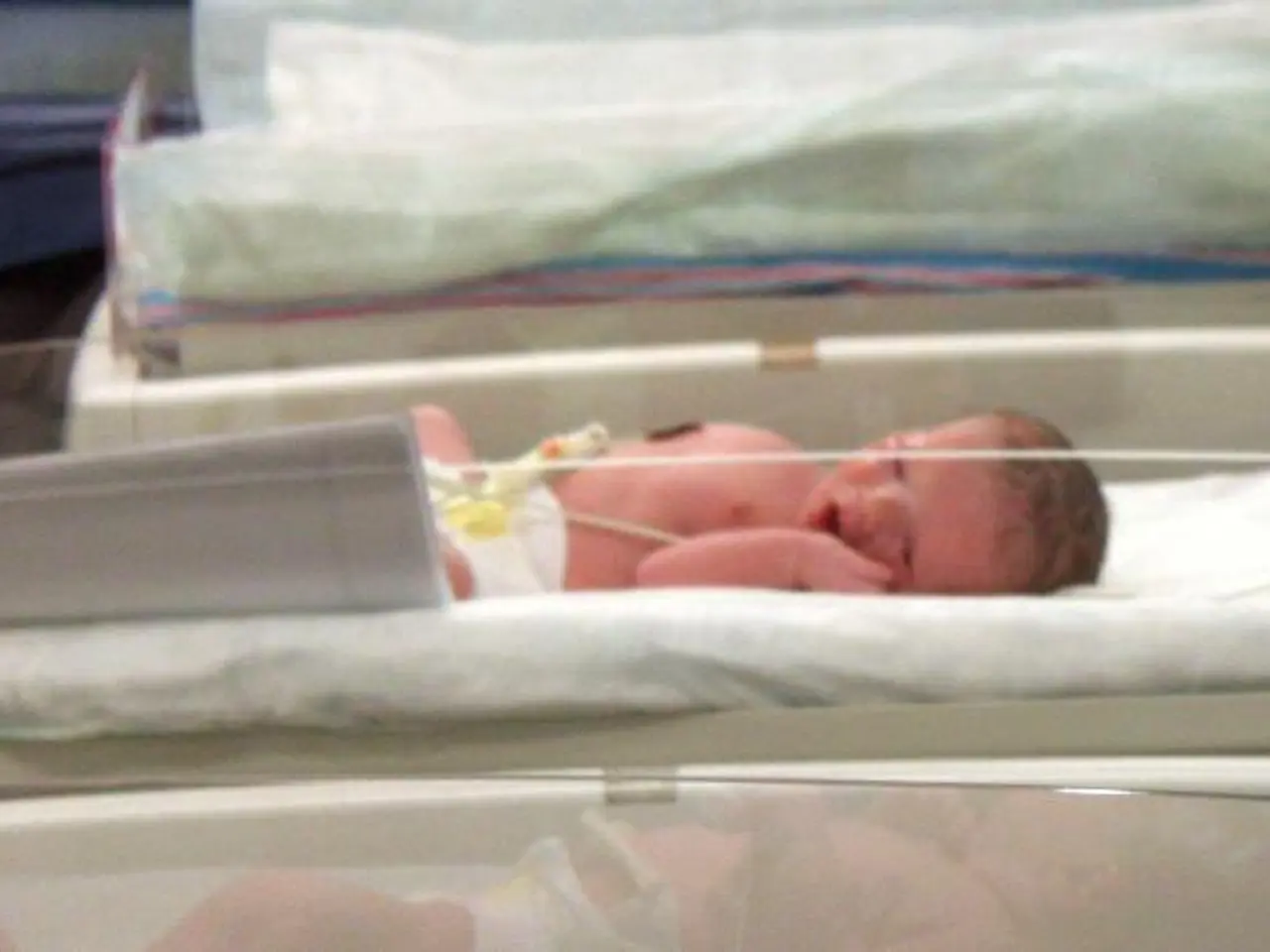
Premature Babies Face High Infection Risk, Requiring Swift Diagnosis and Treatment
Premature babies are at high risk of infections, which can be life-threatening due to their underdeveloped immune systems. Prompt diagnosis and treatment are crucial for these vulnerable infants.
Infections in premature babies can occur in various parts of the body, including the blood, lungs, brain, skin, kidneys, bladder, and intestines. Signs of infection may include lack of alertness, feeding difficulties, poor muscle tone, temperature instability, skin color changes, slow heart rate, or apnea.
Laboratory tests are essential for confirming infections, with results taking 24 to 48 hours. Early treatment significantly improves the chances of successfully fighting the infection. This may involve antibiotics, IV fluids, oxygen, or mechanical ventilation.
Premature babies are particularly susceptible to infections because their immune systems are not yet fully developed. Medical procedures they require can also introduce bacteria, making infections harder to treat.
Infections are a serious concern for premature babies. Prompt recognition of signs, swift laboratory testing, and early treatment are vital for their health and survival. Further research is needed to improve prevention and treatment strategies for these vulnerable infants.
Read also:
- Trump's SNAP reductions and New York City Council's grocery delivery legislation: Problems for city residents highlighted
- Reducing dental expenses for elderlies in Sweden: Over 50% cut in charges for pensioners by the government
- Forty-year-old diet: A list of meal choices to savor
- Exiled Life's Conundrum: A Blend of Liberation, Disillusionment, and Distress