
Proposal for a Worker Safety Directive on Electronic Device Risks to be submitted by the Commission
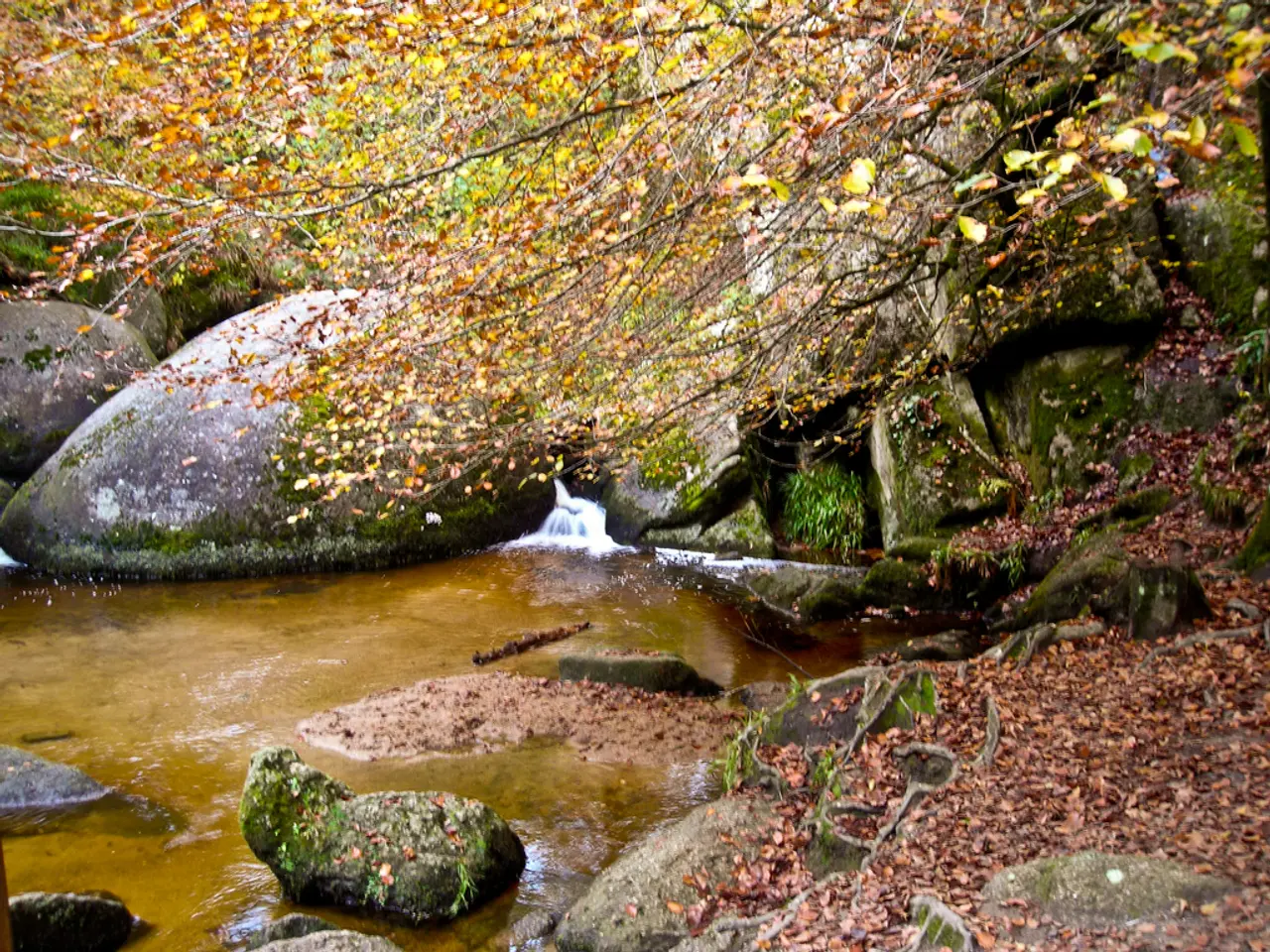
The picturesque Wipperkotten area, nestled within a designated nature reserve, has seen an increase in swimming activities. However, this growing trend poses a significant threat to the historic structure, the ecological balance, and the sensitive species that call this protected river landscape home.
The Wipperkotten weir, a protected structure, serves as a water supply for a water wheel and is an important refuge for various rare and sensitive species, including the white-throated dipper, river bank clams, and European bullhead. The weir, made of loosely stacked rubble stones, is vulnerable to damage from unauthorised interventions, which could not only jeopardise the monument itself but also endanger the ecological balance of the surrounding area.
Removing or moving stones from the weir impairs its functionality, putting the entire system at risk. Swimming in the Wipperkotten location, entering the riverbank or bed, and littering are all prohibited, as stated in a joint appeal by the district, the city of Leichlingen, and the city of Solingen.
Regular on-site inspections are carried out to monitor protective measures in the Wipperkotten area, but the consequences for unauthorised behaviour are not limited to warnings and fines. Depending on the severity of the violation and local conservation laws, legal prosecution may also be a possibility.
Visitors are encouraged to adhere to the rules for visiting nature reserves, which typically include staying on designated paths, not disturbing wildlife, not picking plants, and adhering to posted regulations such as keeping dogs on a leash or prohibitions against camping and fires. By doing so, we can help preserve the biodiversity and maintain the ecological balance of the Wipperkotten nature reserve, which is part of the European protected area system NATURA 2000.
For precise and official rules and consequences specific to the Wipperkotten and the Wupper nature reserve, it is recommended to consult local authority sources or official websites dedicated to these protected areas. It is crucial to respect and protect these unique ecosystems to ensure their survival for future generations.
Science plays a crucial role in monitoring the biodiversity and ecological balance of the Wipperkotten nature reserve, particularly in environmental-science studies. Implementing health-and-wellness practices that prioritize respect for nature, such as staying on designated paths and avoiding swimming in sensitive areas, can contribute to preserving the Wipperkotten area's rare species and protecting the historical weir for future generations, as advocated by scientific findings.




