Strengthening Maritime Worker Safety: Exploring Legal Guidelines and Optimal Approaches
Protecting Maritime Workers: A Focus on Safety and Innovation
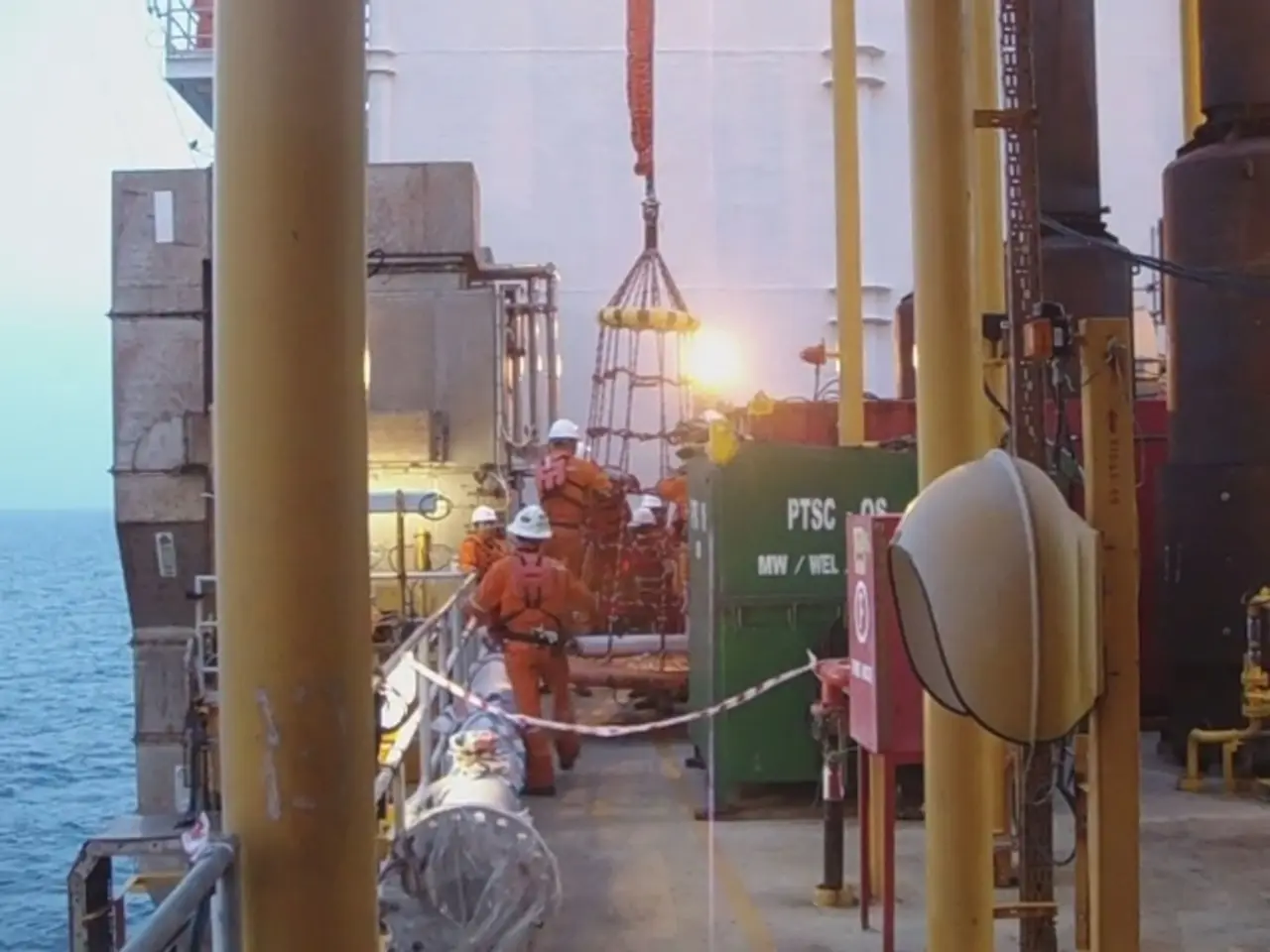
Maritime work is a demanding and potentially hazardous profession. To ensure the safety of workers in various maritime environments, Personal Protective Equipment (PPE) plays a crucial role. This equipment includes safety helmets, eye protection, hearing protection, respiratory protection, high-visibility clothing, and gloves.
Compliance with regulatory standards is essential to align safety protocols with established laws and guidelines. Regulatory bodies such as OSHA and the Coast Guard provide frameworks that maritime employers must follow. These standards cover areas such as workplace safety, health, equipment operation, and emergency preparedness.
Admiralty law governs maritime workers' safety through specific regulations and principles. The Maritime Occupational Safety and Health Act establishes critical standards that employers must adhere to in order to minimize hazards associated with maritime work environments.
Maritime workers face unique challenges at sea, such as adverse weather, heavy machinery, and confined spaces. Understanding these threats is key to recognizing the importance of safety measures. Common hazards faced by maritime workers include slips, trips, and falls, equipment-related incidents, exposure to harsh weather conditions, hazardous materials, drowning, and non-physical hazards like fatigue and mental distress.
Regularly updated training ensures workers are aware of the latest safety practices. Engaging workers in simulated scenarios enhances their ability to react appropriately when faced with real-life dangers. Ongoing education assists workers in staying informed about the evolving nature of maritime operations.
Innovations in technology, such as wearable technology, automation, and robotics, are set to greatly influence maritime workers' safety. Enhanced training programs that incorporate virtual reality (VR) and augmented reality (AR) tools are expected to revolutionize safety training. Greater emphasis on mental health and wellness in the maritime industry will likely lead to the development of programs focused on supporting workers' psychological welfare.
Maritime workers have various avenues for legal recourse if they face injuries or unsafe working conditions. This includes the Jones Act and the Longshore and Harbor Workers' Compensation Act. Regular audits and training sessions promote adherence to safety protocols and foster a culture of safety.
The last significant change in maritime occupational safety in the United States took place in 2025, with new maritime safety regulations and technologies becoming applicable to ships built on or after January 1, 2026. Key aspects of training for maritime workers include understanding safety regulations, mastery of emergency procedures, and familiarity with the operation of safety equipment.
In conclusion, ensuring the safety of maritime workers is a collaborative effort that requires adherence to regulatory standards, ongoing training, and a focus on innovation. By recognizing and addressing the unique challenges faced by maritime workers, we can work towards creating a safer and more productive maritime industry.
Read also:
- Trump's SNAP reductions and New York City Council's grocery delivery legislation: Problems for city residents highlighted
- Reducing dental expenses for elderlies in Sweden: Over 50% cut in charges for pensioners by the government
- Forty-year-old diet: A list of meal choices to savor
- Exiled Life's Conundrum: A Blend of Liberation, Disillusionment, and Distress