
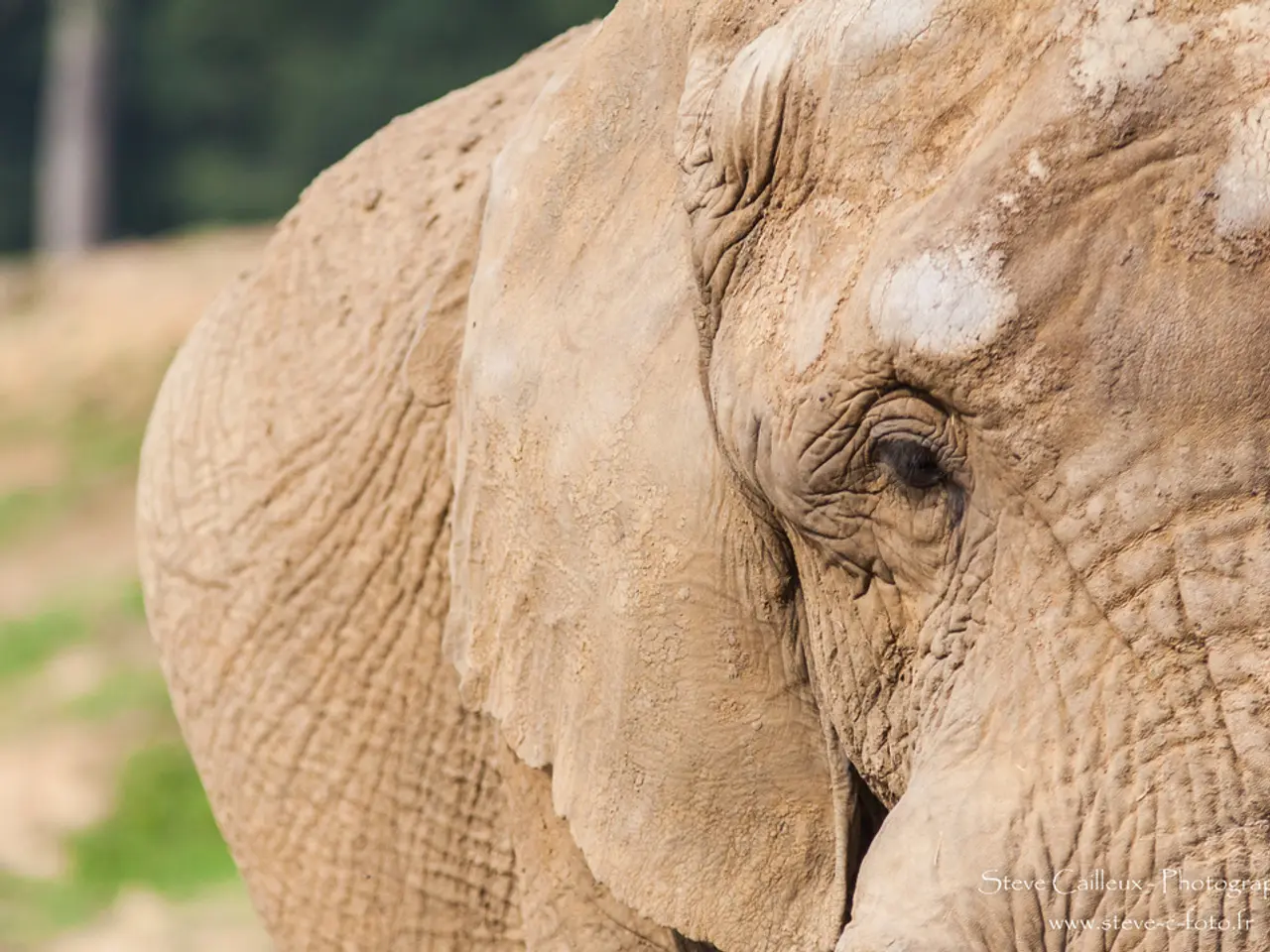
Struggling elephants at a roadside zoo endured years of suffering before passing away, as newly uncovered documentsattest.
In the United States, the treatment of captive elephants in traveling shows has come under scrutiny, with the Commerford Zoo in Connecticut facing criticism over its handling of elephants Karen and Beulah.
The Commerford Zoo, a traveling animal facility, has been cited more than 50 times for Animal Welfare Act violations by the USDA. Tragically, Karen, a 38-year-old African elephant, died of kidney disease in March 2019, after suffering from kidney trouble since 2017. Beulah, a more than 50-year-old Asian elephant, died from blood poisoning caused by a uterine infection at a fair in Massachusetts in September 2019. Both elephants were reportedly forced to travel and give rides to children even when they were ill.
The Commerford Zoo declined to comment on the allegations, and the circumstances under which the USDA considers revoking an exhibitor's license are confidential. However, it's important to note that U.S. regulations for traveling elephants are fragmented and mostly state-driven.
Some states have banned the use of wild animals, including elephants, in traveling circuses and shows, while others require permits and inspections to enforce basic humane treatment. For instance, in Florida, possession and public display of captive wildlife require permits, and facilities are subject to inspection to ensure sanitary and humane conditions.
The Animal Welfare Act (enforced by USDA) sets minimum standards for many aspects of captive animal care, including elephants. However, enforcement and coverage can be inconsistent, and many traveling circuses have historically operated in legal gray areas. The Act requires adequate veterinary care, but the guidelines are vaguely worded, and USDA inspectors often defer to facility owners and veterinarians.
Welfare organizations emphasize that captivity for entertainment often causes chronic stress, isolation, and trauma to elephants. They call for closure of exhibits and transfer of elephants to sanctuaries. The Nonhuman Rights Project, an animal rights organization, unsuccessfully advocated in court for the Commerford Zoo to release Beulah, Karen, and its third elephant, Minnie, to a sanctuary in 2017.
U.S. Senator Richard Blumenthal wrote a letter to the USDA in 2019 demanding an explanation for the premature deaths of Beulah and Karen. In another case, the Orlando-based Great American Family Circus had been licensed by the USDA for several years, despite the fact that one of its elephants, Nosey, was performing while suffering from a skin condition and had a history of exposure to tuberculosis. After local officials intervened, the USDA eventually revoked the circus owner's license, and Nosey was transferred to an elephant sanctuary in Tennessee.
State anti-cruelty laws are often stronger than the Animal Welfare Act, and state and county government agencies sometimes do better at protecting elephants. For example, animal control inspectors in Lawrence County, Alabama, found an elephant named Nosey chained, standing in her own feces without adequate food and water during a show in 2017.
The recently introduced Animal Welfare Enforcement Improvement Act in Congress aims to address these issues. It would require unannounced inspections before licenses are renewed and prevent licenses from being renewed if a facility has more than one documented instance of noncompliance.
Minnie, the Commerford Zoo's last surviving elephant, has been "languishing" alone since 2019 and spends most of her time indoors in a concrete stall, according to the NhRP's Fern. The NhRP has offered to arrange and pay for Minnie's move to a sanctuary, but their offers have been ignored.
As the public becomes more aware of the challenges facing captive elephants in traveling shows, there is growing pressure for reform. The introduction of the Animal Welfare Enforcement Improvement Act is a step in the right direction, but more needs to be done to ensure the welfare and safety of these magnificent animals.
- The treatment of captive elephants in traveling shows, such as the Commerford Zoo, has been under scrutiny due to concerns about their welfare and health.
- Conservation and mental health organizations advocate for the closure of traveling exhibits and the transfer of elephants to sanctuaries, arguing that captivity causes chronic stress, isolation, and trauma.
- State anti-cruelty laws can sometimes provide stronger protections for captive elephants than the federal Animal Welfare Act, with state and county agencies playing a crucial role in their protection.
- In response to concerns about the welfare of captive elephants, the Animal Welfare Enforcement Improvement Act has been introduced in Congress, aiming to strengthen enforcement and improve conditions for these animals in traveling shows.




