
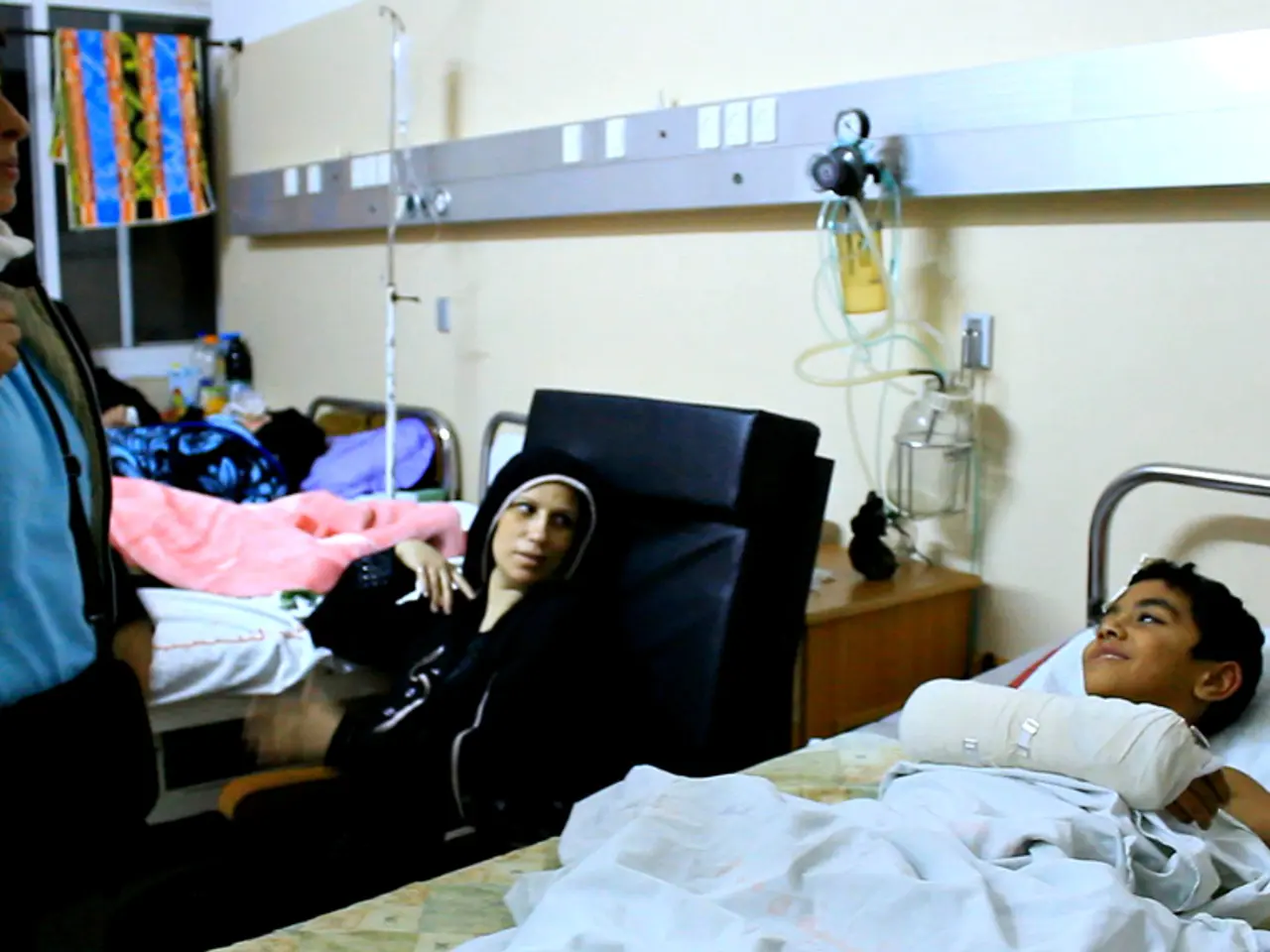
Symptoms, triggers, and additional details about hospital anxiety
In the realm of mental health, hospital anxiety is a common response for many individuals, particularly those who are scheduled for medical procedures or hospital visits. This article aims to shed light on the symptoms, causes, and effective treatments for hospital anxiety.
Hospital anxiety can manifest in various ways, including excessive or irrational worry, actively avoiding hospital settings, immediate and intense anxiety upon encountering hospitals, and intense anxiety when enduring hospital procedures. Children may show signs of anxiety, fear, and helplessness through behaviours such as aggression, lack of cooperation, withdrawal, or regression.
Physical symptoms of hospital anxiety are not exclusive to the mind. They can include restlessness, irritability, difficulty concentrating, feeling on edge, a sense of dread or fear.
For a person to be diagnosed with a specific phobia of hospitals, they must experience marked, persistent anxiety or fear for six months or more, along with other symptoms such as immediate fear upon encountering the feared object, active avoidance, fear out of proportion to actual danger, significant distress, and impairment of daily functioning.
The Diagnostic and Statistical Manual of Mental Disorders, 5th edition, text revision (DSM-5-TR) is used by doctors to diagnose specific phobias, including fear of hospitals. To measure symptoms of psychological distress, including symptoms of generalized anxiety disorder (GAD), doctors use the Hospital Anxiety and Depression Scale (HADS).
Addressing hospital anxiety is crucial as it can prevent a person from receiving timely care. Recognizing and addressing it promptly is essential.
A 2015 study suggests that modifying the hospital environment can alleviate a patient's stress. Healthcare professionals can help prevent or reduce hospital anxiety by offering choices, informing patients and their families of what to expect, highlighting strengths and reframing negatives, providing emotional support, discussing previous experiences, modifying the hospital environment, and providing possibilities for social support, a sense of control, and positive distraction.
Effective treatments for hospital-related anxiety include cognitive behavioral therapy (CBT), exposure therapy, mindfulness techniques, and certain medications. CBT is the most effective psychotherapy for anxiety disorders, teaching skills to manage anxiety and gradually re-engage with avoided situations. It often includes exposure therapy, which involves gradual, controlled exposure to anxiety triggers to build confidence in managing symptoms.
Mindfulness-based approaches, such as mindfulness-based cognitive therapy, meditation, and acceptance and commitment therapy (ACT), are shown to reduce anxiety by improving psychological flexibility and reducing stress. ACT can be particularly useful as an adjunct or alternative therapy, helping patients accept discomfort without compulsive reactions.
Medication options vary depending on individual needs and types of anxiety but commonly include antidepressants such as selective serotonin reuptake inhibitors (SSRIs) and serotonin-norepinephrine reuptake inhibitors (SNRIs), often augmenting psychotherapy. Buspirone, an anti-anxiety medication, is sometimes prescribed for generalized anxiety. Short-term use of benzodiazepines or beta blockers for acute symptom relief during severe anxiety episodes is also an option, but these are not recommended for long-term use due to side effects and dependency risks.
Preventive measures and self-care supporting anxiety treatment include regular physical exercise, maintaining good sleep hygiene, avoiding alcohol and caffeine, and engaging in relaxation techniques like yoga and deep breathing.
In summary, integrated treatment combining CBT (with exposure therapy), mindfulness techniques, and tailored medication regimens provides the most effective approach to hospital anxiety, with supportive lifestyle changes enhancing outcomes.
Hospital anxiety can include several types of healthcare or hospital-related phobias, such as fear of hospitals (nosocomephobia), fear of injections (trypanophobia), and fear of blood (hemophobia). Hospital anxiety is not a formal mental health diagnosis but rather an anxious response to visiting hospitals or undergoing medical procedures.
Other possible causes of hospital anxiety include unfamiliar hospital environment, exposure to strange instruments, insufficient privacy, financial concerns, a prolonged hospital stay, disease stress, holding a negative view of doctors and hospitals, repeatedly or persistently thinking about a scary or traumatic hospital experience, adopting another person's fear, being exposed to inaccurate or incorrect information, being hypersensitive to pain, experiencing any traumatic event that puts a person in a defenseless or vulnerable position, living with significant long-term stress, paying medical bills, and a person's insurance status.
For some, hospital anxiety may have its roots in early childhood due to a severe negative or traumatic event related to hospitals. Treatment for hospital anxiety depends on its root cause, the person's symptoms, and overall well-being, and may involve coping strategies, mindfulness techniques, guided self-help, cognitive behavioral therapy (CBT), exposure therapy, medications such as antidepressants and anxiety drugs, referral to a mental health specialist, and self-help strategies like deep breathing, facing fears, and visualizing happy memories.
- In addition to causing immediate fear and active avoidance, hospital anxiety might also stem from factors such as an unfamiliar hospital environment, financial concerns, or a past traumatic hospital experience.
- Effective treatments for hospital anxiety can vary, but they often include cognitive behavioral therapy (CBT), exposure therapy, mindfulness techniques, and medication, such as selective serotonin reuptake inhibitors (SSRIs) and benzodiazepines for acute symptom relief during severe anxiety episodes.




