The Coded Communication of Perspiration: Understanding Your Body's Hidden Messages during Physical Activity
In the realm of human physiology, sweat, a seemingly simple bodily function, proves to be a complex and intriguing subject. Researcher Julie A.H. Hooper delves into the world of sweat, uncovering its hidden depths and shedding light on its various aspects.
Sweat, primarily water, plays a crucial role in temperature regulation during exercise. The average person can lose between 1.5 to 3 liters of sweat during a single workout. This loss, however, varies greatly, depending on factors such as hydration status, fitness level, and weather conditions. Electrolyte replacement should, therefore, be tailored to match individual sweat losses for optimal performance and health.
The composition of sweat is far from uniform. Sodium and chloride make up the bulk of its mineral content, but their concentration can fluctuate based on these factors. Well-trained athletes, for instance, tend to lose less sodium in their sweat due to a phenomenon known as 'sweat adaptation'.
Sweat is more than just water and minerals. It contains over 2,000 different compounds, including amino acids, vitamins, trace elements, stress hormones, immune system markers, metabolic byproducts, and even pheromones. These substances paint a vivid picture of an individual's nutritional status, sleep quality, recovery status, and even stress levels.
The timing of sweat production and cessation also holds significant information. Elite athletes often begin perspiring within the first 30 seconds of exercise, while less conditioned individuals might take 5-10 minutes. The timing of when you stop sweating after exercise is equally revealing.
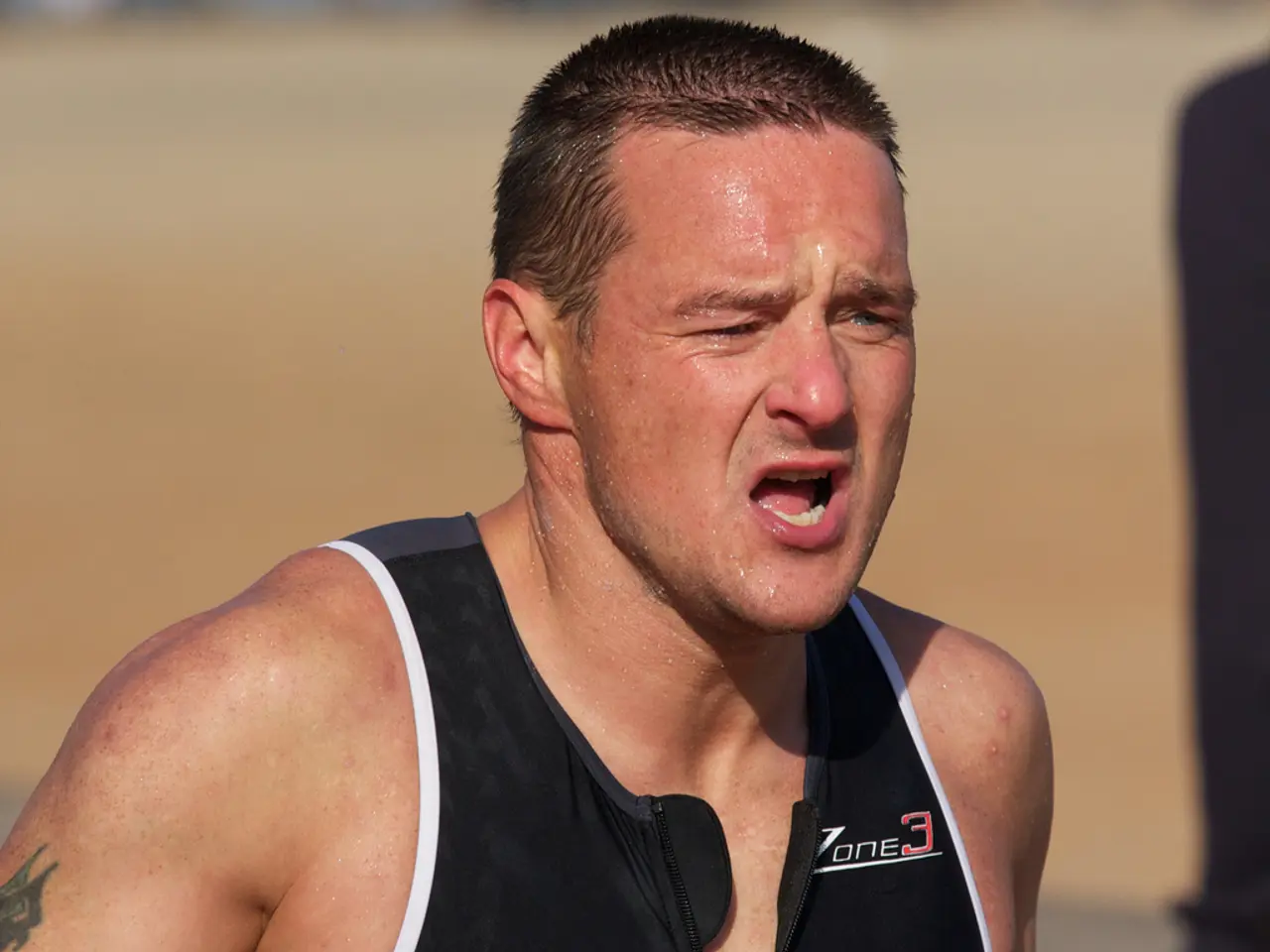
Sweat serves as a sophisticated communication system, adjusting its chemical composition based on physical, mental, and emotional state. Facial sweating often indicates high intensity or elevated stress levels, while palm and foot sweating during exercise often has less to do with temperature and more to do with grip and traction.
Asymmetrical sweating patterns can reveal muscle imbalances or compensation patterns, providing valuable insights for athletes and fitness enthusiasts.
Innovative technologies are being developed to harness the power of sweat. Wearable sweat sensors can provide real-time feedback on hydration status, electrolyte balance, and metabolic state, potentially revolutionising endurance sports. Some companies are even developing sweat-based health monitoring systems that could detect early signs of illness, overtraining, or nutritional deficiencies before symptoms appear.
Moreover, the sweat produced during enjoyable, endorphin-releasing exercise may have mood-boosting effects on others. This intriguing discovery opens up possibilities for future research into the social and emotional aspects of sweat.
Cooling strategies work best when they support, rather than override, the body's natural sweat response. Heat acclimatization, achieved through consistent exposure to warm conditions, can improve sweating efficiency within 7-14 days, further enhancing the body's ability to regulate temperature.
In conclusion, sweat is a fascinating and multifaceted aspect of human physiology. From its role in temperature regulation to its potential as a health monitoring tool, the mysteries of sweat continue to captivate researchers and athletes alike. As our understanding of sweat deepens, so too does our appreciation for this remarkable bodily function.
Read also:
- Trump's SNAP reductions and New York City Council's grocery delivery legislation: Problems for city residents highlighted
- Reducing dental expenses for elderlies in Sweden: Over 50% cut in charges for pensioners by the government
- Forty-year-old diet: A list of meal choices to savor
- Exiled Life's Conundrum: A Blend of Liberation, Disillusionment, and Distress