
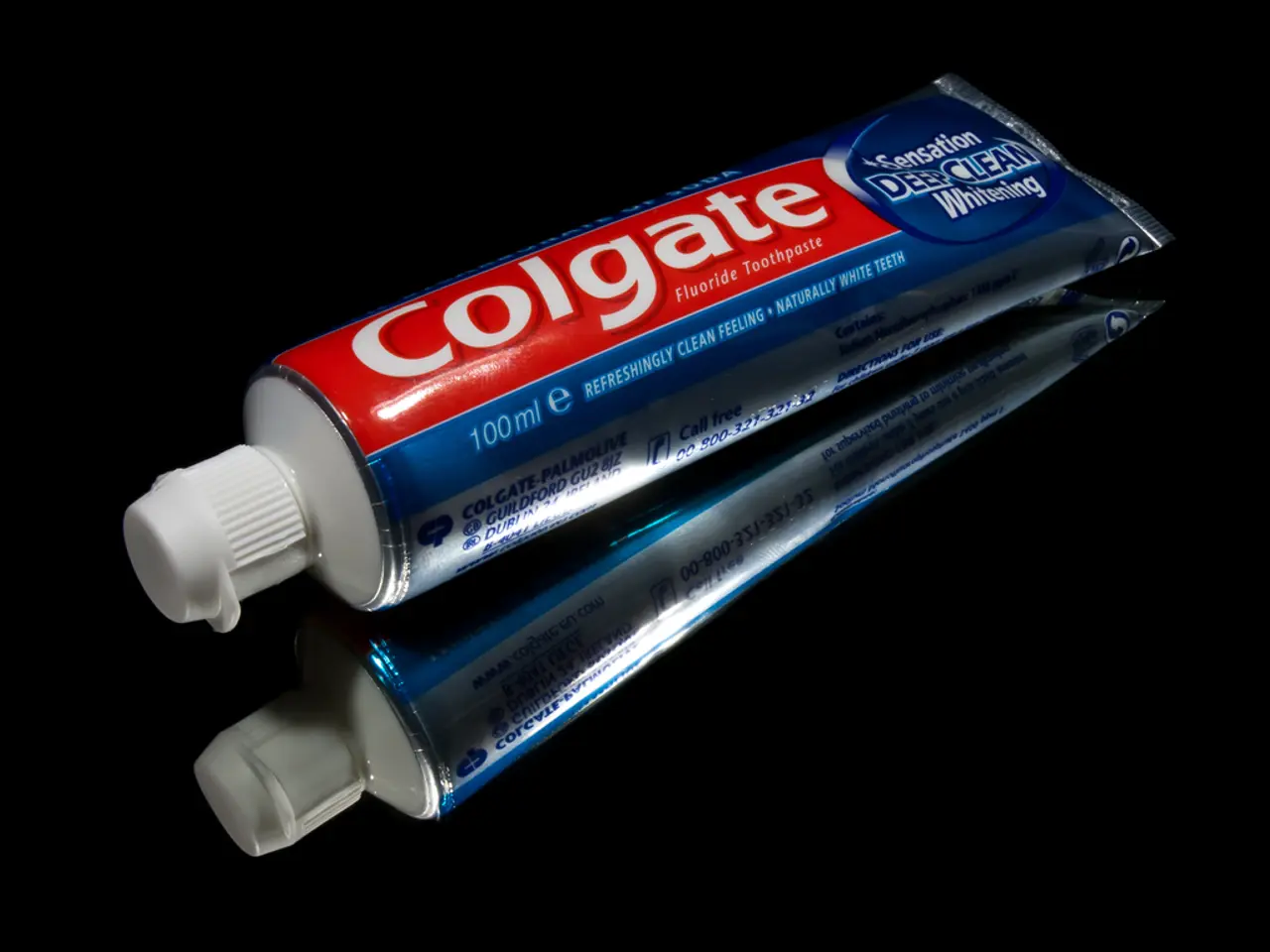
Toothpaste Pregnancy Verification: Effectiveness Unveiled
In the realm of home remedies, one that has gained popularity over the years is the toothpaste pregnancy test. The idea behind this test is simple: mix white toothpaste with urine and observe a color change (usually to blue) or frothing, which is believed to indicate pregnancy.
The theory behind this test is that the hormone human chorionic gonadotropin (hCG), present in pregnant women's urine, would cause a chemical reaction in the toothpaste, altering its colour or causing fizzing.
However, it's essential to understand that this test is based on misconceptions. The claim relies on the belief that hCG either chemically reacts with toothpaste ingredients or affects its acidity, leading to visible changes.
In reality, toothpaste formulations vary widely, and any colour change or frothing is more likely due to the interaction between urine acidity and toothpaste chemicals, not hCG specifically. There is no scientific evidence that toothpaste contains any component that specifically reacts with hCG or that such reactions would reliably occur only in pregnant urine samples.
Medical-grade pregnancy tests, on the other hand, are designed to accurately detect hCG using immunoassays, a technique that toothpaste lacks. These tests check for the hormone hCG in a person's urine, usually one week after missing a period, to ensure accuracy.
It's crucial to note that symptoms such as abdominal pain, vaginal bleeding, irregular menstruation, and tender breasts can suggest pregnancy, but they are not definitive indicators. Anyone who suspects they are pregnant should see a doctor for early prenatal care, which includes standard blood tests that detect pregnancy, typically one week after ovulation.
Clinics often use urine tests similar to over-the-counter tests, but sometimes use blood samples or ultrasounds for a more accurate diagnosis. Doctors can perform two types of blood tests to check for pregnancy: qualitative and quantitative hCG blood tests.
In conclusion, the toothpaste pregnancy test is an unproven myth that has no scientific basis and does not reliably detect pregnancy. Any reactions seen are due to toothpaste-urine chemical interactions rather than the presence of pregnancy hormone. Reliable pregnancy detection requires clinically approved immunoassay tests specifically designed for hCG detection. It's always best to consult with a healthcare provider for accurate information and guidance.
- While the toothpaste pregnancy test has gained popularity, it's important to note that it's based on misconceptions about hCG reacting with toothpaste.
- In reality, toothpaste formulations vary widely, and any color change or frothing is more likely due to the interaction between urine acidity and toothpaste chemicals, not hCG specifically.
- Medical-grade pregnancy tests, on the other hand, are designed to accurately detect hCG using immunoassays, a technique that toothpaste lacks.
- These tests check for the hormone hCG in a person's urine, usually one week after missing a period, to ensure accuracy.
- Clinics often use urine tests similar to over-the-counter tests, but sometimes use blood samples or ultrasounds for a more accurate diagnosis.
- Doctors can perform two types of blood tests to check for pregnancy: qualitative and quantitative hCG blood tests.
- In the context of health and wellness, it's essential to remember that reliable pregnancy detection requires clinically approved immunoassay tests specifically designed for hCG detection.
- Pregnancy symptoms such as abdominal pain, vaginal bleeding, irregular menstruation, and tender breasts can suggest pregnancy, but they are not definitive indicators.
- Depresentation and depression can be common during pregnancy, and it's always best to consult with a healthcare provider for accurate information, guidance, and appropriate testing to ensure a healthy pregnancy.




