
Top Low-Potassium Foods for Managing Potassium Consumption Levels
A low-potassium diet is essential for individuals with kidney issues, as it helps control the levels of potassium in the body and reduces the strain on the kidneys. High potassium levels can lead to dangerous heart complications, such as cardiac arrhythmias or cardiac arrest.
Foods to include in a low-potassium kidney diet are those naturally low in potassium yet rich in vitamins and nutrients. Examples include cabbage and bell peppers, eggplant, guava, and fatty fish like salmon or trout (in moderation, monitoring potassium and phosphorus content).
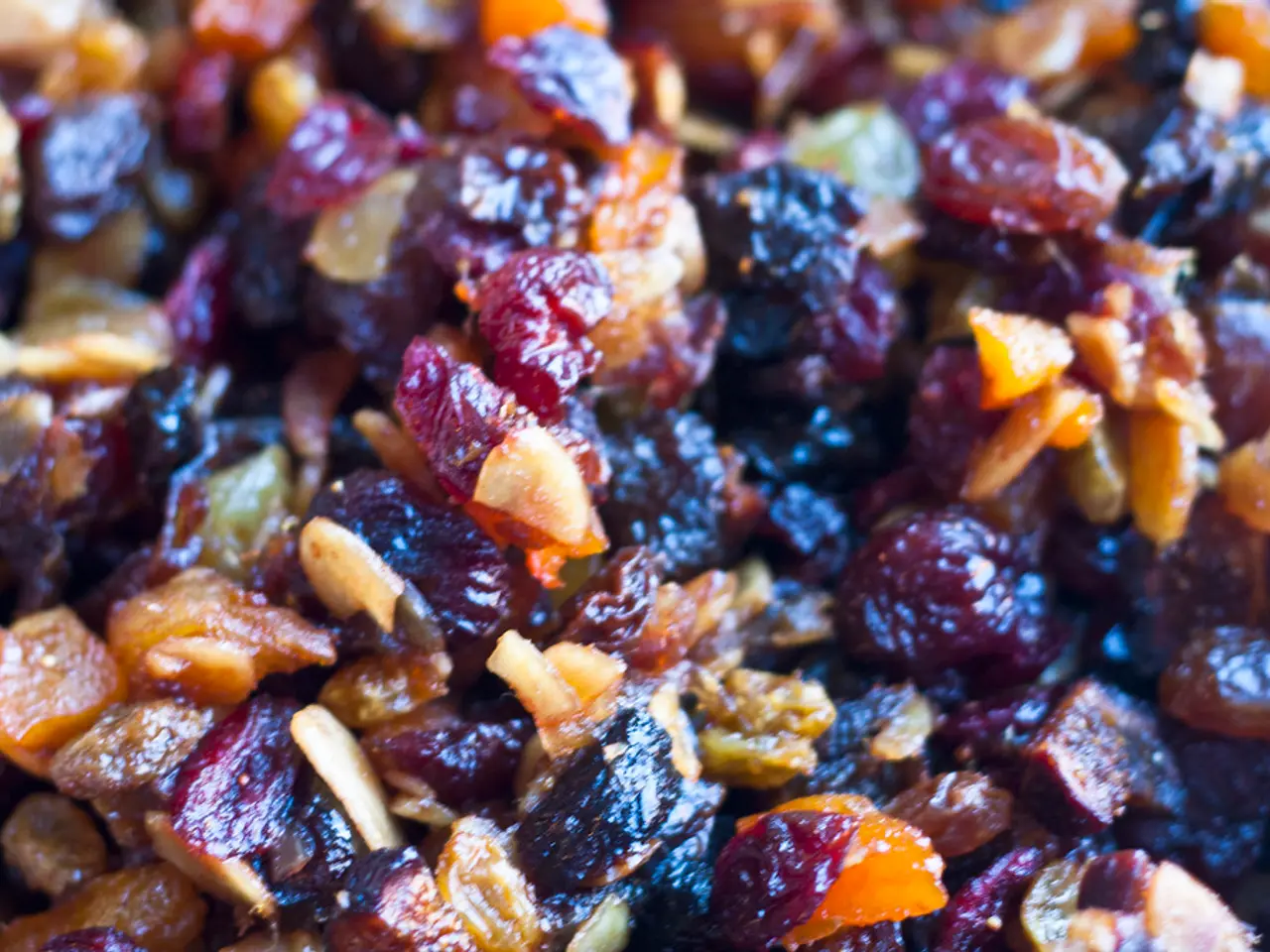
On the other hand, certain foods should be avoided or limited due to their high potassium content. These include kidney beans, potatoes, avocados, kiwis, certain dairy products, dried fruits, and some fish. Processed and sodium-rich foods should also be minimized, as they worsen kidney function by causing fluid retention and elevated blood pressure.
Cooking techniques like leaching (soaking and rinsing vegetables) and boiling in large amounts of water can help reduce potassium levels in foods. Additionally, low-potassium foods contain about 200 mg or less of the mineral per serving, while high-potassium foods contain more than 200 mg.
Some low-potassium vegetables include green beans, peas, alfalfa sprouts, green or red cabbage, raw white mushrooms, cucumber, eggplant, kale, lettuce, onions, peppers, parsley, rhubarb, radishes, watercress, zucchini, asparagus, celery, fresh corn, and some others.
A doctor may recommend medication to help remove the mineral from the body, such as diuretics or potassium binders. It's important to note that people in the United States generally consume enough potassium in their diets, so a low-potassium diet should be carefully planned under the guidance of a healthcare professional.
High blood potassium levels (hyperkalemia) may impair the muscles that control the heartbeat and breathing, leading to muscle weakness, digestive problems, and numbness or tingling. On the other hand, low blood potassium levels (hypokalemia) may cause muscle cramps, increased urination, and constipation.
A person with any of the health issues mentioned, such as kidney impairment, chronic kidney disease, diabetes, medications that prevent normal urinary excretion of potassium, Addison's disease, adrenal insufficiency, congestive heart failure, liver disease, should work with a healthcare professional to keep their potassium levels in check.
In a 2023 study, it was found that simply bringing a pot of water to the boil, removing it from the heat, then soaking the potassium-rich foods in the hot water for 5-10 minutes can reduce the potassium. This technique, known as leaching, may help draw some potassium from foods, but it's important to consult a doctor about the best approach and how much to leach before trying it at home.
Low-potassium carbohydrate sources include white rice, white bread, white pasta, corn products such as polenta and cornmeal grits. Some low-potassium drink and snack options include rice milk, coffee (limited to 8 oz.), tea (limited to 16 oz.), sparkling water, and some cakes and cookies without chocolate or fruits high in potassium.
Examples of low-potassium fruits include apples, blueberries, blackberries, strawberries, raspberries, cherries, grapes, cranberries, pineapple, mandarin oranges, grapefruit, watermelon, plum, tangerine, peaches, and some others. For canned or potted fruits and vegetables, it's recommended to drain and rinse them to remove any excess minerals in the canning liquid.
In conclusion, a kidney-friendly diet aims to balance reducing potassium, sodium, and phosphorus intake while maintaining nutrient density and supporting cardiovascular health and energy levels. It's crucial to work with a healthcare professional to create a personalized low-potassium diet plan.
- Depression and cancer are two chronic medical-conditions that, in addition to kidney issues, can also benefit from a carefully planned low-potassium diet.
- Observations from scientific studies suggest that certain minerals, like GLP, can have predictive qualities in the development of NSCLC, further emphasizing the importance of nutrition.
- chronic-kidney-disease, obesity, and hypertension are among the chronic diseases that can be effectively managed through a low-potassium diet and regular fitness-and-exercise.
- Foods rich in CBD, like certain fatty fish, have been found to provide benefits beyond just reducing potassium levels, contributing to health-and-wellness overall.
- There are many low-potassium foods beyond the aforementioned examples, such as nuts, seeds, and low-sodium dairy products, that can be included in a balanced foodandfoodbenefits regimen.
- On the contrary, hyperkalemia can lead to serious complications like muscle weakness, digestive problems, and numbness or tingling, just like depression can impact one's mood and energy levels.
- Don't forget about the importance of skin-care when planning a healthy lifestyle; maintain a balanced diet, exercise regularly, and stay hydrated with low-potassium drinks like water or sparkling water.
- Regular monitoring of one's AQ, or albuminuria, can help detect signs of kidney damage and enable appropriate adjustments to one's diet to prevent further deterioration of kidney health.
- It's essential to consult a medical professional before making any drastic changes to one's diet, especially when facing health challenges like diabetes, heart failure, or liver disease.
- Incorporating a variety of fruits like blackberries, strawberries, and apples into one's daily nutrition routine can help provide essential vitamins while minimizing the intake of high-potassium foods.
- In addition to reducing potassium, it's crucial to monitor phosphorus intake, as excessive consumption can exacerbate kidney issues and lead to complications like hyperkalemia.




