
"Unsure of my actions!"
In the ever-evolving world of healthcare, one field that stands out for its rapid development is laboratory diagnostics. This small but significant part of the broader laboratory landscape is currently experiencing a surge in growth, driven by automation, digital integration, and the pursuit of precision medicine.
One of the key areas of focus is automation and AI integration. Laboratories are increasingly adopting automated machinery and hematology analyzers, equipped with real-time connectivity, cloud-based data management, and AI-driven image recognition for cell classification. This integration improves diagnostic accuracy, throughput, and workflow efficiency while reducing human error and manual labor.
Another significant trend is point-of-care (POC) and decentralized diagnostics. Portable and point-of-care analyzers are gaining traction, providing rapid diagnostics in emergency, resource-limited, and decentralized healthcare settings. This trend supports timely disease detection and monitoring outside traditional hospital laboratories.
Molecular diagnostics, particularly molecular genetics, is a rapidly growing sector. The molecular diagnostics market is projected to grow significantly due to technological progress like RT-PCR and next-generation sequencing. These technologies enable precise detection of genetic markers, infectious agents, and tumor-related mutations, facilitating early and personalized disease diagnosis.
Enhancements in pathomorphology and cytology are also noteworthy. Digital pathology and flow cytometry allow for better sample preparation, staining, biomarker detection, and immunophenotyping. Flow cytometry, in particular, advances in identifying hematologic malignancies and minimal residual disease, integrating morphology with molecular findings.
Diagnostic innovations in clinical microbiology are also on the rise. Diagnostics incorporate molecular and immunologic assays, enhancing detection sensitivity and specificity for infections and cancer markers. Validation of off-label tumor marker assays reflects expanding clinical applications.
Laboratories worldwide adhere to strict federal regulations, continuous quality controls, proficiency testing, and laboratory inspections to maintain diagnostic reliability in increasingly complex workflows. The clinical laboratory services market is expanding due to rising chronic disease prevalence and an aging population, fueling demand for automated, high-throughput, and highly accurate diagnostic equipment and tests globally.
In Belarus, the Institute of Bioorganic Chemistry of the NAS is at the forefront of these developments. They are currently working on surprising bacterial "trick" developments, while Belarusian doctors are benefiting from a neural network being developed for diagnostic purposes. Furthermore, CAR-T therapy, a treatment for cancer patients, is now available in Belarus.
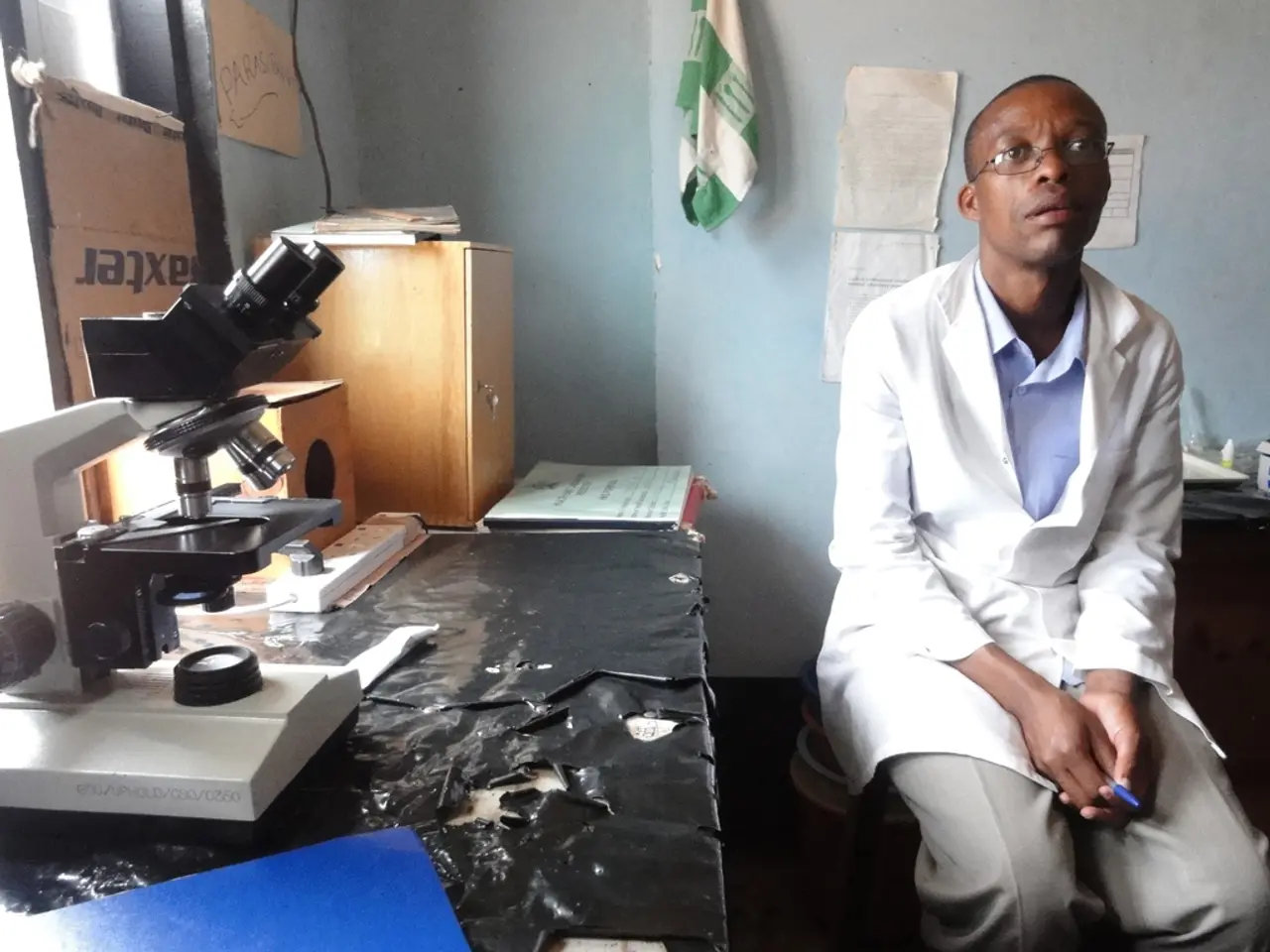
A specialist who changed their specialty from therapy to laboratory diagnostics in 2008, after spending four months on an internship, attests to the field's rapid development. They had no idea about handling blood and urine when they made the switch, but they soon understood that laboratory diagnostics is a rapidly developing discipline, with a bright future ahead.
Scientists in Belarus are making strides in both the medical-conditions and scientific fields, as the Institute of Bioorganic Chemistry develops new bacterial tricks and a neural network for diagnostics. Simultaneously, the country's healthcare system benefits from the advent of CAR-T therapy for cancer patients.
The surging molecular diagnostics market, propelled by technologies like RT-PCR and next-generation sequencing, is leading to early, precise, and personalized health-and-wellness diagnoses, notably in the detection of genetic markers, infectious agents, and tumor-related mutations.




