
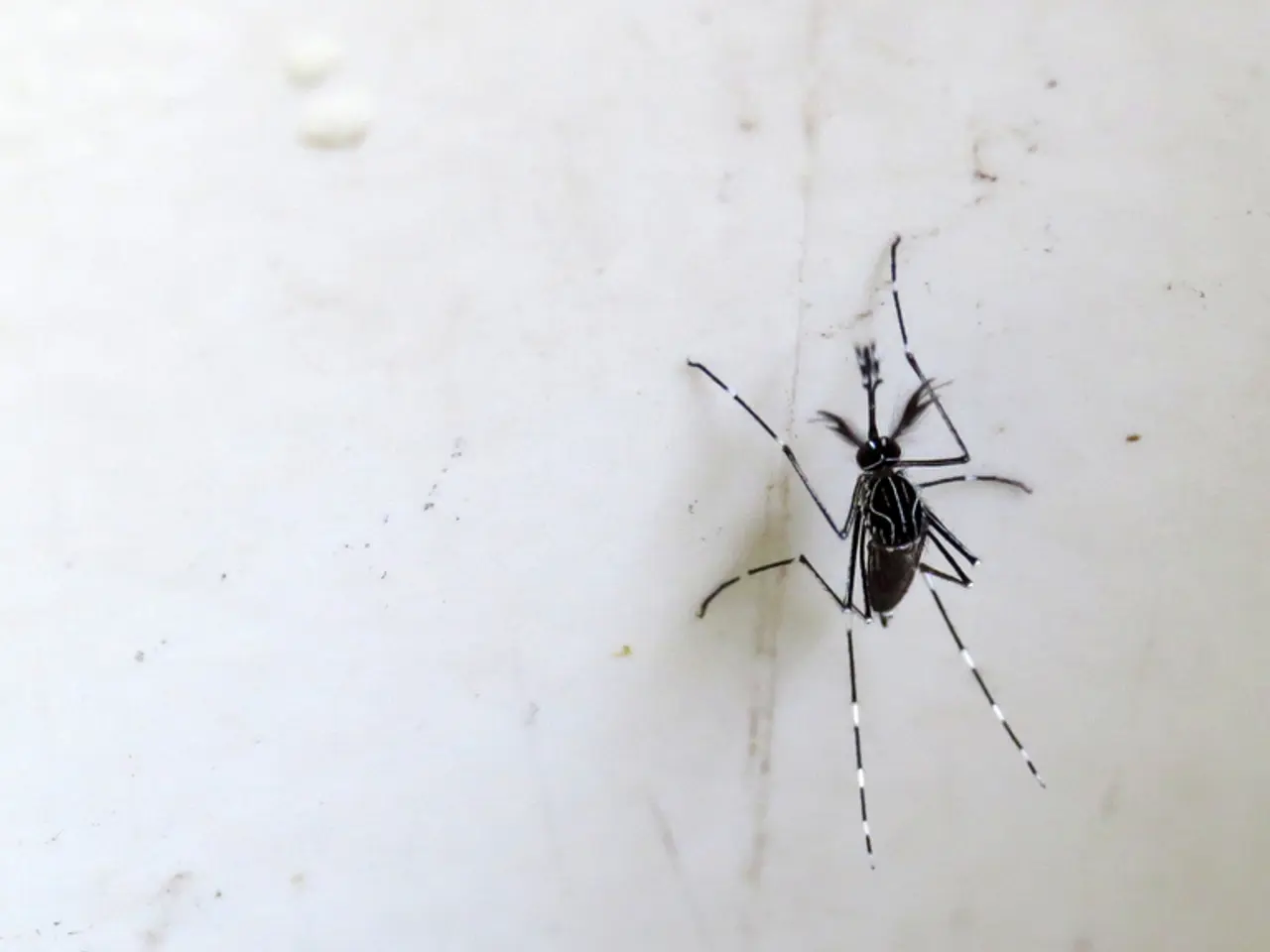
Unveiled: The Deadliest Creature on Earth That Claims Over a Million Lives Annually, Unexpectedly Not What You'd Guess
In a shocking revelation, a new study has ranked mosquitoes as the deadliest animals to humans, causing between 725,000 and 1,000,000 deaths annually. This is largely due to their role as vectors for numerous deadly diseases.
The deadliest of these diseases is malaria, caused by Plasmodium parasites transmitted via bites of infected female *Anopheles* mosquitoes. Symptoms of malaria can range from mild to severe, and in many cases, can be fatal, particularly for children under the age of five. The African region suffers the most, with 95% of cases and 96% of malaria deaths worldwide concentrated there.
Besides malaria, mosquitoes spread other dangerous diseases such as West Nile virus, dengue fever, Zika virus, yellow fever, chikungunya, and Mayaro virus, causing severe illness and death worldwide.
The saw-scaled viper, while deadly with around 138,000 fatalities per year through venomous bites, ranks far below the mosquito in terms of mortality count. Other dangerous animals on the list include assassin bugs, which kill about 10,000 people each year through the transmission of Chagas disease.
Control methods for mosquito-borne diseases include using insect repellents, mosquito nets, and protective clothing to reduce bites and disease transmission. Malaria is preventable and curable according to the World Health Organization.
Other noteworthy dangerous animals include lions (200 deaths/year), elephants (600 human deaths annually), and humans themselves (400,000 deaths via homicide). Hippos are also on the list, causing around 500 human deaths each year, mainly due to territorial aggression.
Despite their docile appearance, hippos can be deadly, and elephants, while often perceived as gentle giants, can charge and stampede through villages and roads, causing injuries and fatalities. Scorpions are responsible for 2,600 deaths due to their venomous stings, while sharks only kill around ten people per year.
Falling coconuts claim the lives of 150 people annually, and freshwater snails kill 200,000 people per year by transmitting flatworms called flukes. Dogs, responsible for about 59,000 deaths annually, mostly due to rabies transmission, round off the list of dangerous animals.
In conclusion, mosquitoes, despite their small size, pose a significant threat to human life due to the deadly diseases they transmit. The World Health Organization urges increased efforts in mosquito control and disease prevention to reduce these preventable deaths.
- In light of the new study, it's alarming to see that mosquitoes rank as the deadliest animals to humans, causing up to a million deaths annually through the transmission of diseases.
- Malaria, caused by Plasmodium parasites, is the deadliest disease spread by mosquitoes, with symptoms ranging from mild to severe and fatal in many cases, particularly affecting children under five.
- The African region carries the brunt of this global issue, accounting for 95% of malaria cases and 96% of deaths worldwide.
- Besides malaria, other deadly diseases transmitted by mosquitoes include West Nile virus, dengue fever, Zika virus, yellow fever, chikungunya, and Mayaro virus.
- In comparison, the saw-scaled viper, responsible for around 138,000 fatalities per year through venomous bites, lags behind mosquitoes in terms of mortality count.
- Control methods to combat mosquito-borne diseases include using insect repellents, mosquito nets, and protective clothing to reduce bites and disease transmission.
- Lions, elephants, and humans themselves also appear on the list of dangerous animals, causing a combined 612,600 deaths per year through various means such as homicide, territorial aggression, and rabies transmission.
- Hippos, while appearing placid, can be deadly, accounting for around 500 human deaths annually due to their territorial aggression.
- Despite its deadly nature, scorpions cause 2,600 deaths due to venomous stings, while sharks only take around ten lives per year.
- In the list of dangerous animals, falling coconuts claim the lives of 150 people each year, and freshwater snails kill 200,000 people annually through the transmission of flukes.
- Dogs, responsible for around 59,000 deaths annually, mostly due to rabies transmission, round off the list of dangerous animals.
- To combat these preventable deaths, the World Health Organization emphasizes increased efforts in mosquito control and disease prevention.
- In the realm of health and wellness, chronic diseases such as cancer, respiratory conditions, digestive health issues, and neurological disorders also pose significant threats.
- To maintain overall well-being, it's essential to focus on fitness and exercise, eye health, hearing, sexual health, family health, skin care, mental health, and men's health, among others. Additionally, proper nutrition plays a vital role in managing and preventing various medical conditions and disorders, including cardiovascular health, autoimmune disorders, environmental science-related issues, and skin conditions.




