
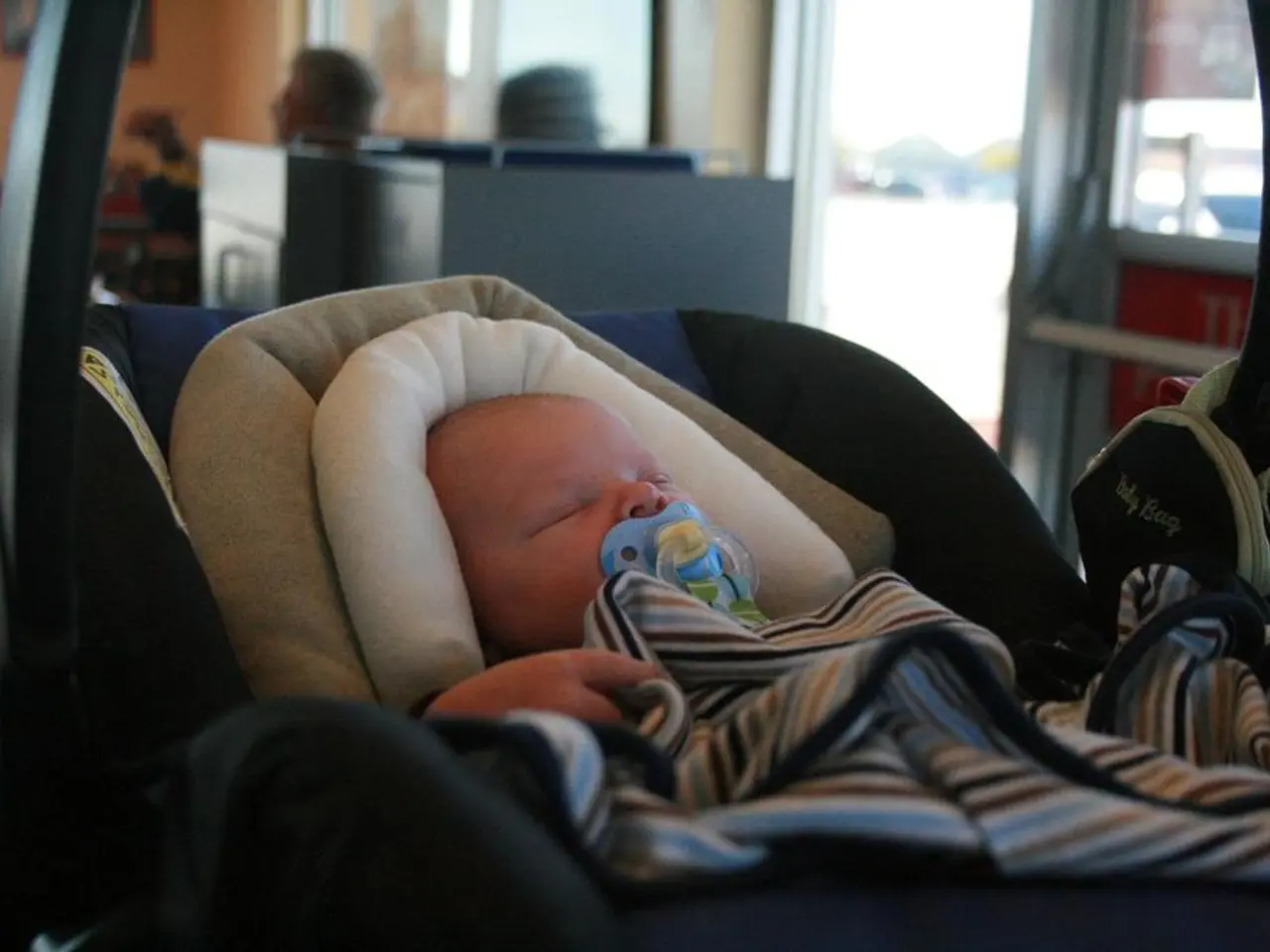
Varieties of Seizures in Minors: A Comprehensive Overview
Childhood seizures are a common health concern, affecting approximately 1 in 150 children before the age of 10. These seizures can vary greatly in their symptoms, causes, and treatment options. Here's a comprehensive guide to help you understand the different types of seizures children may experience.
Types of Seizures in Children
Seizures in children can be broadly categorized into generalized and focal seizures. Generalized seizures affect both sides of the brain, while focal seizures affect just one side. The different types of seizures in children include:
- Absence seizures: Characterized by brief periods of unawareness or unresponsiveness. Two types exist: typical absence seizures, which have a sudden onset and brief duration (less than 10 seconds), and atypical absence seizures, which have a slower onset and longer duration (20 seconds or more), with additional symptoms like hand motions.
- Myoclonic seizures: Sudden, brief muscle jerks usually on both sides of the body, lasting 1-2 seconds; consciousness is not impaired.
- Atonic seizures: Also known as drop attacks, these seizures cause a sudden loss of muscle tone, potentially leading to falls or head drops. They commonly begin in childhood.
- Infantile or epileptic spasms: Brief flexing or extending of limbs or head, mostly in children under 2 years old. They occur multiple times a day in clusters lasting 1-3 seconds per spasm.
- Tonic seizures: Muscular stiffening throughout the body or parts of it.
- Clonic seizures: Rhythmic muscle jerking or shaking lasting seconds to a minute.
- Tonic-clonic seizures: Loss of consciousness, fall to the ground, followed by rhythmic muscle spasms and convulsions, typically lasting a few minutes.
- Focal epilepsy types common in children:
- Panayiotopoulos syndrome: focal seizures often occurring during sleep, with symptoms like pallor, nausea, and vomiting; seizures last 1-30 minutes and may include tonic-clonic movements.
- Benign rolandic epilepsy: focal seizures causing facial numbness or twitching; children usually remain conscious; mostly outgrown by adolescence.
Causes
Seizures in children can be caused by genetic factors, brain development abnormalities, metabolic issues, infections, or unknown causes. Syndromes like Dravet syndrome represent genetic forms with prolonged seizures that affect development.
Treatment Options
- Medications (antiepileptic drugs, AEDs) are the most common treatment, tailored to seizure type. Some childhood epilepsy syndromes may not need medication unless seizures are frequent or disruptive.
- Diet therapy (e.g., ketogenic diet) may be used in some cases.
- Surgery, like laser ablation surgery guided by MRI and robotics, is an option for some children with medically refractory seizures. This minimally invasive surgery targets seizure-causing brain cells to reduce seizures while sparing healthy tissue and allowing faster recovery.
- Emergency seizure treatment involves rescue medications and having a clear epilepsy management plan for seizures that last longer or cluster frequently.
Summary Table
| Seizure Type | Symptoms | Typical Age / Notes | Treatment Focus | |---------------------------|----------------------------------------------|-----------------------------------|--------------------------------| | Absence seizure | Brief staring, eyelid fluttering | Childhood | Medication (e.g. ethosuximide) | | Myoclonic seizure | Sudden muscle jerks | Childhood | Medication | | Atonic seizure | Sudden loss of muscle tone, falls | Childhood | Medication, safety measures | | Infantile/epileptic spasms | Brief flex/extending spasms in infants | < 2 years old | Medication (e.g. ACTH, vigabatrin) | | Tonic seizure | Muscle stiffening | Any age (children included) | Medication | | Clonic seizure | Rhythmic shaking | Any age | Medication | | Tonic-clonic seizure | Convulsions with loss of consciousness | Any age | Medication, emergency plans | | Panayiotopoulos syndrome | Focal seizures during sleep, nausea, vomiting| Children, usually self-limiting | Often no medication needed | | Benign rolandic epilepsy | Facial twitching, preserved consciousness | 6-8 years | Often no medication needed |
This overview reflects current understanding of seizure types in children, their clinical presentations, and conventional treatment approaches. It's important to note that each child's experience with seizures can be unique, and medical professionals should be consulted for individualised care and management.
[1] Mayo Clinic [2] Epilepsy Foundation [3] NHS [4] Children's Hospital of Philadelphia [5] Stanford Children's Health
- Epilepsy and seizures, often affecting pediatric patients, are medical conditions that require careful understanding to provide suitable treatment, given their variety in symptoms, causes, and response to therapies.
- Pfizer, in collaboration with other healthcare organizations, has contributed to scientific advancements in the treatment of childhood epilepsy, offering antiepileptic drugs (AEDs) as one of the primary options to manage seizures.
- Fitness and exercise may play a role in managing certain neurological disorders and supporting overall health and wellness for children living with epilepsy, even though current research primarily focuses on seizure management and prevention.
- Unfortunately, in some cases, epileptic seizures may block normal activities, causing a considerable impact on a child's daily life and mental health, emphasizing the need for comprehensive epilepsy care and management.
- Cancers are not typically linked to epilepsy and seizures, but it is essential for medical professionals to consider various medical-conditions and comorbidities when seeking potential causes for seizures in children.




